How to Plan a Uganda and Rwanda Holiday
If you are wondering how to plan a Uganda and Rwanda holiday, the first thing to know is that you do not need to see everything in both countries. Uganda and Rwanda have plenty to offer, from mountain gorillas and chimpanzees to savannah wildlife, forests, lakes and cultural experiences. The trick is choosing destinations that work well together and giving yourself enough time to enjoy them.
A well-planned trip can start in Entebbe, continue through Uganda’s wildlife destinations and then cross into Rwanda before ending in Kigali. You can also do the journey in the opposite direction. What matters most is building the route around the experiences you care about.
Decide What You Want From the Holiday
Before booking anything, think about what you actually want to see.
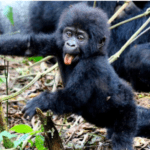
If gorilla trekking is the main reason for your trip, you can choose between Bwindi Impenetrable National Park in Uganda and Volcanoes National Park in Rwanda. If wildlife is equally important, Uganda gives you more opportunities to add traditional safari experiences to the itinerary.
For example, you could combine chimpanzee trekking in Kibale Forest with wildlife viewing in Queen Elizabeth National Park and gorilla trekking in Bwindi. You could then cross into Rwanda and spend time in Kigali or continue to Volcanoes National Park.
It is better to choose a few experiences that genuinely interest you than to fill the itinerary with destinations simply because they are famous.
Choose Where to Fly Into
Most travelers planning this type of trip will consider Entebbe International Airport in Uganda or Kigali International Airport in Rwanda.
Entebbe works well if you want to begin with a Ugandan safari. From there, you can travel towards western Uganda for destinations such as Kibale, Queen Elizabeth or Bwindi.
Kigali can be more convenient if gorilla trekking in Rwanda is your first priority. Volcanoes National Park is relatively close to Kigali compared with many of Uganda’s safari destinations.
You can also arrive in one country and depart from the other. This can save you from making a long return journey just to catch your international flight.
Before booking your ticket, look at your complete itinerary rather than focusing only on the cheapest airfare.
Plan Your Gorilla Trekking Early
If gorilla trekking is part of your holiday, organize this before filling in the rest of your itinerary.
Gorilla permits are connected to specific dates and trekking locations, so availability can affect the entire route. Once you know when you want to travel, it is wise to check permit availability before confirming everything else.
You can also decide whether you want to trek gorillas in one country or experience both. Trekking in both is possible for travelers with enough time and budget, but it is certainly not necessary to have a memorable East African holiday.
Add Wildlife to the Trip
One of the biggest advantages of combining Uganda and Rwanda is that you can experience different types of wildlife.
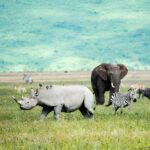
Uganda is particularly useful for this because several major wildlife destinations can be added around the gorilla experience. Queen Elizabeth National Park is known for elephants, buffaloes, lions, hippos and other wildlife, while Kibale is one of the country’s best places for chimpanzee trekking.
Murchison Falls National Park is another option for travelers with more time, offering game drives and boat trips along the Nile.
Rwanda can complement this with its volcanic landscapes, gorilla trekking and attractions around Kigali.
The result is a holiday that feels more varied than a trip focused entirely on one type of safari.
Choose Accommodation Based on Your Route
Accommodation should be chosen after you have a clear idea of your route.
Both countries have everything from simple camps and budget lodges to comfortable mid-range properties and luxury safari lodges. Your choice will depend on your budget and the kind of experience you want.
Location is just as important as the room itself.
If you have an early gorilla trek, staying close to the park entrance or your designated trekking area can make the morning much easier. The same applies to safari parks where early game drives are part of the experience.
You can also mix accommodation levels. For example, you might choose comfortable mid-range lodges for most of the trip and spend more on one special lodge during the gorilla portion.
Think Carefully About Transport
Road travel is an important part of a Uganda and Rwanda itinerary.
Some destinations may look close on a map but take several hours to reach because of road conditions, mountain terrain or stops along the way. This is why it is important not to pack too many activities into a single day.
Private transport with a driver-guide gives you more flexibility. You can make stops along the way, adjust the pace and avoid having to organize transport separately for every destination.
If you are crossing from Uganda into Rwanda, allow enough time for the border crossing and make sure your travel documents meet the relevant entry requirements.
Your safari company can also help organize the route so that you are not constantly travelling back and forth.
How Many Days Should You Spend?
The ideal length depends on how much you want to see.
A 7-day holiday can work if you keep the itinerary simple. You might focus on one major Ugandan experience and one destination in Rwanda.
With 10–14 days, you have much more flexibility. You could include Kibale, Queen Elizabeth and Bwindi in Uganda before continuing to Rwanda, or choose fewer destinations and spend more time at each one.
Travelers with two or three weeks can slow the trip down and add more wildlife, cultural activities or scenic stops.
There is no benefit in visiting ten places if you barely have time to enjoy them. A slightly slower itinerary is often much more rewarding.
Work Out Your Safari Budget
Your budget should include more than flights and hotels.
Consider gorilla permits, park fees, accommodation, meals, transportation, guide services, activities and any border-related travel expenses.
The number of days also makes a big difference. So does whether you choose private or shared transportation and whether you stay in budget, mid-range or luxury accommodation.
When comparing safari quotations, always check what is included. One company may appear cheaper simply because certain activities, meals or accommodation costs are excluded.
Put Everything Together Before You Book
Once you have chosen your main destinations, the rest becomes much easier.
A sensible order is to decide your travel dates, check gorilla permit availability, plan the route, choose accommodation and then arrange transportation and other activities.
International flights can then be booked around the final itinerary, particularly if you are planning to arrive in Uganda and depart from Rwanda or vice versa.
The most important thing is to give yourself enough time between major activities. A long road journey followed immediately by a gorilla trek or early morning game drive can make the holiday unnecessarily tiring.
A Uganda and Rwanda holiday should feel like an adventure, not a race.