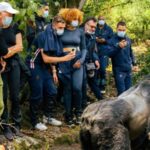
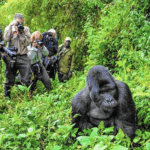
Trekking Endangered Mountain Gorillas: Conservation and Impact
Trekking endangered mountain gorillas is more than a wildlife adventure. It is an opportunity to see one of the world’s most remarkable primates in its natural habitat while learning about the conservation work that helps protect its future. For travelers visiting Uganda, Rwanda or the Democratic Republic of the Congo, gorilla trekking offers a rare connection with wildlife and a chance to support conservation through responsible tourism.
Mountain gorillas were once at serious risk of extinction because of habitat loss, poaching, human conflict and disease. Although their conservation status has improved through years of dedicated work, they remain endangered and need continued protection. Every gorilla trekking experience must therefore balance tourism with the well-being of the animals and the communities living around their habitat.
At Go To Africa Safari, we believe understanding the impact of gorilla trekking helps travelers make informed choices and appreciate why responsible tourism matters.
Why Are Mountain Gorillas Endangered?
Mountain gorillas live in the forested mountains of Central and East Africa, particularly the Virunga Massif and Uganda’s Bwindi Impenetrable Forest. Their restricted habitat makes them vulnerable to changes in the environment and pressure from surrounding human populations.
One major challenge is habitat loss. As communities grow, land is needed for farming, homes and other activities. When forest areas become fragmented, gorillas have less space to find food and move naturally.
Poaching and illegal activities have also threatened gorillas. Although mountain gorillas are not commonly targeted for their meat in the same way as some other wildlife, they can be injured or killed by snares set for other animals. Young gorillas may also be placed at risk when adults are caught in traps or when illegal wildlife activities occur.
Disease is another concern. Because gorillas share many biological similarities with humans, they can be vulnerable to certain human illnesses, including respiratory infections. Close contact with visitors who are unwell can create serious risks for these already threatened animals.
Climate change and other environmental pressures may also affect the forests on which mountain gorillas depend. Protecting their habitat requires long-term cooperation between conservation organisations, governments, park authorities and local communities.
How Gorilla Trekking Supports Conservation
When properly managed, gorilla trekking can provide important financial support for conservation. Visitors pay for permits and often spend money on accommodation, transport, meals, guiding services and other activities. A portion of tourism revenue supports protected-area management and wildlife conservation, according to the arrangements in each destination.
This income helps fund activities such as ranger patrols, monitoring gorilla families, maintaining park boundaries and responding to threats against wildlife. Trackers and researchers also gather information about gorilla health, behaviour, movements and family development.
Tourism creates an additional reason to protect mountain gorillas and their forest habitat. When gorillas generate sustainable income through responsible wildlife tourism, conservation can become an important part of the local economy.
However, tourism alone cannot guarantee their survival. Effective protection also depends on scientific research, veterinary care, habitat management, law enforcement and the involvement of communities living near the parks.
The Role of Local Communities in Gorilla Conservation
Mountain gorilla conservation cannot succeed without the people who live around the forests. Communities near protected areas have their own needs, including land, employment, food security and access to natural resources.
Responsible tourism can create jobs for local guides, porters, drivers, lodge staff, craftspeople and other service providers. Visitors may also support community-run accommodation, cultural experiences and locally owned businesses.
These opportunities can help people benefit economically from wildlife protection. When tourism income reaches surrounding communities fairly, it can strengthen support for conserving forests and reducing illegal activities.
Community conservation programs may also support education, healthcare, clean water and alternative livelihood projects. The exact benefits differ between locations and organisations, so travellers should look for operators and businesses that can explain how they work with local communities.
Hiring a porter during a gorilla trek is one simple way to support local employment while making the walk easier. Porters can help carry bags and provide assistance on steep or muddy trails. Their work is particularly valuable for visitors who find the terrain challenging.
Travelers can also contribute by purchasing locally made crafts, using community-based services and treating residents with respect. Conservation is not only about protecting animals; it is also about creating a future in which people and wildlife can coexist.
The Environmental Impact of Gorilla Trekking
Although gorilla trekking supports conservation, tourism can also create environmental pressure if it is not carefully managed.
Large numbers of visitors can increase disturbance around sensitive habitats. Poor waste management, uncontrolled development and excessive traffic can affect the environment surrounding national parks. Human presence also creates a risk of transmitting illnesses to gorillas.
This is why gorilla trekking follows strict rules. Visitor numbers are limited, encounters are supervised by trained park personnel, and tourists must follow instructions about distance, movement and behaviour.
Visitors should never leave rubbish in the forest, feed wildlife or attempt to touch gorillas. They should also avoid loud noises and sudden movements that could disturb the animals.
Choosing responsible accommodation and transport providers can further reduce the environmental footprint of a safari. Where practical, travelers can minimise single-use plastics, carry reusable water bottles and respect local waste-disposal arrangements.
The aim is not to eliminate tourism from gorilla habitats but to manage it in a way that protects wildlife while allowing people to experience and support conservation.
Rules That Protect Endangered Mountain Gorillas
Every visitor has a responsibility to follow the rules established by park authorities. These measures help protect gorillas, visitors and the wider forest environment.
Maintain the required distance
Visitors are generally instructed to remain at least 10 metres from gorillas, subject to current park regulations and guidance from rangers. Gorillas may occasionally approach people, but visitors should never move closer deliberately or attempt to touch them.
Never trek when you are sick
Human illnesses can pose a serious risk to gorillas. If you have symptoms of a respiratory infection or another contagious illness, seek advice from the relevant park authorities and your tour operator before trekking. Follow all health-screening requirements.
Keep your voice low
Avoid shouting, calling to the gorillas or making noises to attract their attention. Quiet observation allows the animals to continue their natural behaviour with minimal disturbance.
Do not use flash photography
Flash photography is prohibited during gorilla encounters. Prepare your camera settings before reaching the gorillas so you can take photographs without using flash.
Follow your guide’s instructions
Rangers and guides understand gorilla behaviour and the conditions in the forest. Stay with your group, follow instructions promptly and never approach a gorilla independently.
These rules may seem restrictive, but they are part of what makes responsible gorilla tourism possible.
Why Gorilla Trekking Is a Powerful Conservation Experience
Reading about endangered wildlife can raise awareness, but seeing mountain gorillas in their natural habitat can make conservation feel much more personal.
Watching a silverback protect its family, a mother care for her infant or young gorillas play in the forest helps visitors understand that these animals are more than a conservation statistic. They are intelligent, social primates with complex relationships and a need for a safe environment.
The experience can encourage travellers to support wildlife organisations, share accurate information about conservation and make more responsible choices when travelling.
It is important, however, to remember that gorillas are wild animals, not performers. They do not owe visitors a close encounter or a perfect photograph. Sometimes the vegetation obscures the view, or the family continues moving through the forest. Respecting these natural conditions is part of responsible tourism.
Uganda, Rwanda and the Future of Mountain Gorilla Conservation
Uganda and Rwanda are among the leading destinations for mountain gorilla trekking, with different landscapes and safari experiences.
In Uganda, visitors can trek in Bwindi Impenetrable National Park or Mgahinga Gorilla National Park. Bwindi is particularly well known for its dense forest, diverse gorilla families and several trekking sectors.
In Rwanda, Volcanoes National Park offers mountain gorilla trekking in the dramatic Virunga volcanic landscape. The park’s proximity to Kigali can make it convenient for travellers planning a shorter itinerary.
Mountain gorillas are also found in the Virunga Massif, which extends across parts of Uganda, Rwanda and the Democratic Republic of the Congo. Conservation efforts across these landscapes require cooperation between countries, park authorities, researchers and local communities.
The improvement in mountain gorilla numbers over recent decades demonstrates what sustained conservation work can achieve. Nevertheless, endangered status means that continued protection remains essential. Responsible tourism, scientific monitoring, community participation and habitat conservation all have important roles to play.
How to Choose a Responsible Gorilla Trekking Safari
If you want your safari to contribute positively to conservation, take time to choose a responsible operator.
Look for a company that arranges legitimate permits, follows park regulations and explains the importance of responsible gorilla encounters. Ask questions about local guides, porter employment, community partnerships and environmental practices.
Be cautious of promises that disregard official rules, guarantee a particular gorilla behaviour or encourage visitors to get unusually close to wildlife. A responsible operator will prioritise conservation over photographs or convenience.
You should also prepare for the physical demands of trekking. Forest trails can be steep, muddy and slippery, so sturdy hiking boots, suitable clothing and a reasonable level of fitness are helpful. Hiring a porter can provide practical assistance and support local livelihoods.
Finally, remember that the permit is only one part of your safari. Accommodation, transport and other activities should be planned around your trekking location and date to make the experience comfortable and well organised.