Best National Parks for Wildlife Photography in Uganda
Best National Parks for Wildlife Photography in Uganda depend on what you want your camera to capture. Some parks give you wide-open savannahs and large mammals, while others are better for dramatic landscapes, birds, primates or unusual wildlife behaviour. Uganda has ten national parks managed by the Uganda Wildlife Authority, giving photographers plenty of different environments to work with.
For a photographer, a good safari is about more than simply seeing animals. Light, background, distance, vegetation and the patience to wait for the right moment can completely change a photograph. Fortunately, Uganda has parks where all of these elements come together in different ways.
Murchison Falls National Park – Best for Variety and Big Landscapes
Murchison Falls National Park is a strong choice if you want your photography trip to include both wildlife and dramatic scenery.
Uganda’s largest national park covers about 3,840 square kilometres, with broad savannah, woodland and riverine habitats. The Victoria Nile runs through the park before being squeezed through the narrow gorge at Murchison Falls.
For photographers, this creates plenty of variety. Early morning game drives can produce beautiful light over the grasslands, while animals such as elephants, giraffes, buffaloes, antelopes and lions provide plenty of subjects. The Nile also gives you opportunities to photograph hippos, crocodiles, water birds and other animals along the river.
The falls themselves are worth setting aside time for. The rushing water, spray, gorge and surrounding landscape can provide photographs that feel very different from standard wildlife images.
For a deeper look at the park, see our Murchison Falls National Park guide.
Queen Elizabeth National Park – Best for Wildlife Variety
Queen Elizabeth National Park is particularly rewarding when you want different types of wildlife photography in the same safari.
The park has a mixture of savannah, wetlands, lakes, forests and volcanic landscapes. That variety means you are not limited to photographing animals on open plains. You can work with water, vegetation, distant mountains and changing backgrounds.
The Ishasha sector adds another special opportunity: its famous tree-climbing lions. UWA specifically highlights the tree-climbing lions of Ishasha among Uganda’s iconic wildlife experiences.
The Kazinga Channel is another excellent setting for photographers. Animals often gather around the water, creating opportunities to photograph hippos, buffaloes, elephants, crocodiles and birds from a different perspective.
For photographers who enjoy variety rather than chasing one particular species, Queen Elizabeth is difficult to overlook.
Read our full Queen Elizabeth National Park guide before planning your visit.
Kidepo Valley National Park – Best for Dramatic Wilderness Photography
Kidepo Valley National Park feels different from Uganda’s more accessible safari parks. Its remote location, rugged mountains, dry valleys and expansive plains give photographs a strong sense of wilderness.
UWA describes Kidepo as “True African Wilderness”, and the park is known for its classic African landscapes and relatively remote safari experience.
For photography, the landscape itself is a major attraction. The Narus Valley, surrounding mountains and open grasslands provide natural backgrounds that can make wildlife images feel much more spacious.
Kidepo is also a good choice if you want photographs that tell a story about the environment rather than simply showing an animal close-up. A giraffe standing against a distant mountain, a herd of buffalo crossing open grassland or an elephant moving through the valley can make memorable images.
The main challenge is accessibility. Kidepo is much farther from Kampala than the other parks discussed here. UWA’s park information places it about 571 km from Kampala, compared with roughly 305 km for Murchison Falls and 389 km for Queen Elizabeth.
That extra journey is part of what makes the destination feel so remote.
For more planning information, explore our Kidepo Valley National Park guide.
Lake Mburo National Park – Best for an Easier Photography Safari
Lake Mburo National Park is worth considering if you want good wildlife photography without travelling as far into the country.
UWA describes Lake Mburo as the closest national park to Kampala. The park is roughly 228 kilometres from the capital by road, making it practical for shorter safaris.
The landscape is also different from Murchison and Kidepo. You get rolling grasslands, wetlands, lakes and patches of woodland, creating opportunities for both wildlife and landscape photography.
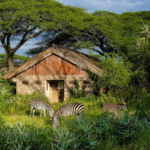
Zebras, impalas, elands, buffaloes, giraffes and other wildlife can provide excellent subjects. The park’s quieter atmosphere can also suit photographers who prefer taking their time rather than trying to cover huge distances in search of animals.
Lake Mburo can work especially well for a short photographic safari from Kampala or as part of a longer western Uganda itinerary.
Which Uganda Park Is Best for Wildlife Photography?
There is no single winner because the best park depends on the kind of photographs you want.
For overall wildlife variety: Queen Elizabeth National Park is an excellent choice.
For big landscapes and a wide range of subjects: Murchison Falls National Park stands out.
For dramatic wilderness scenes: Kidepo Valley National Park is hard to beat.
For accessibility and shorter photography trips: Lake Mburo National Park is a practical option.
If you have several days available, combining two or three parks can give you a much stronger photographic collection than staying in one destination. You could, for example, combine Murchison Falls with Queen Elizabeth, or include Kidepo if dramatic landscapes and remote wilderness are your priority.
Getting Better Wildlife Photos in Uganda
Good wildlife photography is rarely about having the most expensive camera. Knowing how to use the light and being ready when an animal does something interesting often matters more.
Early morning and late afternoon generally provide softer light than the middle of the day. It is also worth allowing your guide to stop rather than rushing from one sighting to another. Sometimes the best photograph comes after waiting quietly for an animal to change position.
Try to photograph more than faces. Environmental portraits, reflections, silhouettes, animal interactions and wildlife within its surroundings can make your safari album much more interesting.
A beanbag or other simple camera support can be useful in a safari vehicle, while a telephoto lens gives you flexibility when animals are some distance away. Bring spare batteries, enough memory cards and protection for your equipment from dust, rain and sudden changes in weather.
Most importantly, give the animals space. A good photograph should never come at the expense of responsible wildlife viewing.
Make Photography Part of Your Uganda Safari
Uganda works particularly well for photographers because a single trip can combine wildlife, birds, forests, rivers, lakes, mountains and dramatic cultural landscapes. UWA currently manages ten national parks covering very different ecosystems, so there is plenty of room to build an itinerary around your interests.
For a broader look at what you can experience across the country, read our Uganda Wildlife Safari guide. It can help you decide which parks and wildlife experiences fit your photography goals.
Whether your priority is a close portrait of a giraffe, a lion resting in a fig tree, elephants beside the Nile or a wide landscape with mountains in the background, the right park can make all the difference.