Gorilla Trekking vs Chimpanzee Trekking in Uganda: Which Should You Choose?
If you are planning a safari in Uganda, you might be wondering whether to go gorilla trekking or chimpanzee trekking. Both are incredible wildlife experiences, but they are quite different once you get into the forest.
Gorilla trekking takes you into the mountains and thick forests of southwestern Uganda to search for mountain gorillas. Chimpanzee trekking, on the other hand, is an opportunity to follow our closest relatives through the forest as they feed, communicate, climb trees, and move around in their groups.
Many travelers would love to do both, but time and budget do not always allow it. So, if you have to choose one, which is worth your money?
At Go To Africa Safari, we believe the best choice depends on what you want from your trip. Here is what you should know before making your decision.
Gorilla Trekking in Uganda: What Is It Really Like?
Imagine walking through a thick rainforest, listening to birds and the sounds of the forest, while your guide looks for signs of mountain gorillas. You might walk for an hour, or you might spend several hours climbing through the vegetation before finding them.
Then, suddenly, your guide signals that the gorillas are nearby.
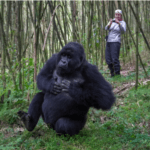
Seeing a mountain gorilla in the wild is difficult to describe until you experience it yourself. They are large, powerful animals, but watching a family together can be surprisingly peaceful. You might see a mother caring for her baby, young gorillas playing, or a silverback resting nearby while keeping an eye on the group.
Uganda has two places where you can go mountain gorilla trekking: Bwindi Impenetrable National Park and Mgahinga Gorilla National Park.
Bwindi is the most popular choice, with several trekking sectors, including Buhoma, Ruhija, Rushaga, and Nkuringo. Mgahinga offers a different setting, with bamboo forests and beautiful views of the Virunga volcanoes.
Once your group finds its assigned gorilla family, the standard trekking experience allows you to spend one hour observing the animals, following park regulations.
That hour often passes faster than you expect.
Gorilla trekking is particularly rewarding for travelers who want a close wildlife encounter and do not mind getting a little muddy along the way. The hike can be challenging, especially in Bwindi, where the terrain is steep and the vegetation is thick. A reasonable level of fitness will help, although the difficulty varies from one trek to another.
Chimpanzee Trekking: A Different Kind of Adventure
Chimpanzee trekking is just as exciting, but for different reasons.
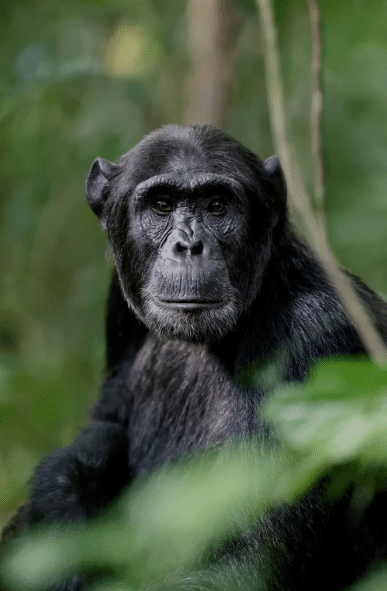
Chimpanzees are active, noisy, curious, and constantly on the move. You may hear their calls from a distance before your guide leads you towards the group. Sometimes they are feeding on the ground; at other times, they are high in the trees or moving quickly through the forest.
One of the best places to see chimpanzees in Uganda is Kibale National Park, in the western part of the country. The park is famous for its chimpanzee population and is an excellent destination for anyone interested in primates.
You can also track chimpanzees in Budongo Forest near Murchison Falls National Park and in Kyambura Gorge in Queen Elizabeth National Park.
During the trek, your guide helps you follow the chimpanzees and understand their behavior. You may watch them groom one another, search for food, play, or communicate with loud calls that echo through the forest.
Unlike gorillas, chimpanzees can be difficult to keep in view because they move around so much. You might spend time looking up into the canopy as your guide points out where they have gone.
Standard chimpanzee trekking commonly allows about one hour with the chimpanzees once they are located, although the exact conditions depend on the experience booked. Chimpanzee habituation experiences offer a different, longer opportunity to observe chimpanzees under specific rules.
If you enjoy wildlife that is full of energy and like learning about animal behavior, chimpanzee trekking could be the right choice for you.
Which Trek Is More Difficult?
This is one of the questions travelers ask when planning their Uganda safari.
The honest answer is that both can be challenging, and neither is guaranteed to be an easy walk.
Gorilla trekking in Bwindi can involve steep hills, thick vegetation, slippery paths, and muddy ground. The time it takes to find the gorillas depends on where the family is that day. Some treks are relatively short, while others require several hours of walking.
Chimpanzee trekking in Kibale often follows forest trails, but you should still expect uneven ground, mud, and plenty of walking. Because chimpanzees move frequently, following them can also be tiring.
Your experience will depend on the weather, the location of the animals, and your own fitness level.
For either activity, wear proper hiking boots, carry drinking water, and bring a rain jacket. It is also worth telling your safari operator about any mobility concerns before booking so they can discuss suitable arrangements.
Do not choose chimpanzee trekking simply because you assume it is always easier. The conditions can vary considerably.
Gorilla Trekking vs Chimpanzee Trekking: Which Costs More?
For most travelers, the budget is a major part of the decision.
Gorilla trekking permits cost considerably more than standard chimpanzee trekking permits in Uganda. Mountain gorilla tourism involves carefully managed visitor numbers, and the revenue helps support conservation and the protection of gorilla habitats.
Chimpanzee trekking is generally the more affordable option, making it attractive to travelers who want to experience Uganda’s primates without spending as much on permits.
However, remember that the permit is only part of the cost. You also need to consider transport, accommodation, meals, and other activities.
Gorilla trekking usually takes place in southwestern Uganda, so your overall expenses will depend on where you start your journey and how long you stay. Kibale is also a considerable drive from Entebbe or Kampala, and accommodation near the park will affect your budget.
Permit prices can change, so check the latest rates before confirming your trip.
If seeing mountain gorillas has always been your dream, it may be worth saving for that experience. If you are working with a smaller budget, chimpanzee trekking is still a wonderful way to discover Uganda’s forests and wildlife.
How Much Time Do You Need?
If you only have a few days in Uganda, it makes sense to choose your destination carefully.
Chimpanzee trekking in Kibale can fit into a shorter western Uganda safari, especially if you combine it with a visit to other attractions in the region. You should still allow enough time for the road journey and avoid scheduling everything too tightly.
Gorilla trekking usually requires more planning because of the location of Bwindi and Mgahinga. Many visitors combine the trek with Queen Elizabeth National Park, Lake Bunyonyi, or other destinations in southwestern Uganda.
If you have enough time, combining gorilla trekking and chimpanzee trekking gives you the best of both experiences.
You will see two different great apes in their natural habitats and discover how different their behavior can be. It is also a good opportunity to explore more of Uganda rather than spending your entire trip in one area.
Can You Do Gorilla Trekking and Chimpanzee Trekking on the Same Safari?
Yes, and it is a great option if you have enough days available.
A Uganda itinerary could begin in Kibale National Park, where you spend a morning tracking chimpanzees. From there, you can travel towards southwestern Uganda for gorilla trekking in Bwindi Impenetrable National Park.
You could also add a wildlife safari in Queen Elizabeth National Park, where you can go on a game drive to look for elephants, buffaloes, lions, and other animals. A boat trip along the Kazinga Channel is another popular activity.
Depending on your arrival and departure arrangements, a six- to eight-day safari can provide a good starting point for planning both primate experiences and additional wildlife activities.
Keep in mind that driving between parks takes time. Your final itinerary should allow for road conditions, rest stops, and enough time to enjoy each destination without feeling rushed.
At Go To Africa Safari, we can help you plan a route around your available time and budget, whether you want a simple primate safari or a longer wildlife adventure.
What Should You Pack for the Trek?
You do not need expensive equipment, but the right clothing makes a difference when walking through a tropical forest.
Pack comfortable hiking boots with good grip, long trousers, a long-sleeved shirt, and a lightweight waterproof jacket. A small backpack is useful for carrying water and other essentials.
Gardening gloves can help protect your hands when moving through vegetation, but always follow your guide’s instructions about where and how to walk. Insect repellent and a camera are also worth bringing.
Rain is possible even during the drier months, so do not leave your rain jacket behind simply because the weather looks good in the morning.
Remember that these are wild animals. Never try to touch or feed them, and follow the instructions given by your guide and park rangers. If you have symptoms of a contagious illness, inform your safari operator before the trek because infections can pose a serious risk to great apes.
So, Which One Should You Choose?
If you ask us, neither experience is a bad choice. They simply offer different things.
Choose gorilla trekking if you want to see mountain gorillas, have the budget for the permit, and are prepared for a potentially demanding hike. For many travelers, this is the highlight of their entire visit to Uganda.
Choose chimpanzee trekking if you are fascinated by primate behavior, enjoy watching active animals, or want a more affordable trekking experience. Kibale National Park is an excellent place to start.
And if you have the time and money, do both. Seeing mountain gorillas in Bwindi and chimpanzees in Kibale gives you two very different wildlife experiences and a deeper appreciation of Uganda’s forests.
Whichever you choose, allow yourself enough time to enjoy the journey. Some of the best moments happen along the way, from hearing chimpanzees calling through the trees to spotting birds and other wildlife as you walk through the forest.
Plan Your Uganda Primate Safari With Go To Africa Safari
Uganda is a wonderful destination for travelers who want more than the usual wildlife game drive. Its forests offer the chance to meet some of the world’s most fascinating primates in their natural environment.
Whether you are interested in gorilla trekking in Bwindi, chimpanzee trekking in Kibale, or a safari that combines both, Go To Africa Safari can help you put together a trip that suits your schedule and budget.