Responsible Tourism: The Ethics of Gorilla and Chimpanzee Trekking
Responsible tourism: the ethics of gorilla and chimpanzee trekking is an important part of planning a wildlife safari in Africa. For many travellers, seeing a mountain gorilla in the forests of Bwindi or watching chimpanzees move through the trees of Kibale is a dream come true. These encounters offer a rare opportunity to observe our closest relatives in their natural habitat, but they also come with a responsibility to protect the animals and the environments they depend on.
At Go To Africa Safari, we believe that a memorable safari should be about more than seeing wildlife and taking photographs. It should also encourage respect for nature, support local communities, and contribute to the long-term protection of Africa’s extraordinary wildlife.
So, how can travellers enjoy gorilla and chimpanzee trekking responsibly? It begins with understanding why ethical wildlife tourism matters and making thoughtful choices throughout your journey.
Why Responsible Gorilla and Chimpanzee Trekking Matters
Mountain gorillas and chimpanzees face several conservation challenges, including habitat loss, disease, poaching, and conflict between humans and wildlife. Protected areas such as Bwindi Impenetrable National Park, Mgahinga Gorilla National Park, and Kibale National Park play an important role in protecting these primates and their forest homes.
Tourism can help support conservation by generating revenue for park management, ranger activities, research, and community initiatives. It also creates employment for guides, porters, drivers, lodge staff, and other local workers.
However, wildlife tourism must be carefully managed. Too many visitors, careless behaviour, or failure to follow park rules can disturb animals and increase the risk of disease transmission.
Responsible trekking helps maintain a balance between tourism and conservation. It allows visitors to experience wildlife while helping ensure that gorillas and chimpanzees remain protected for future generations.
Keeping a Respectful Distance from Gorillas and Chimpanzees
One of the most important principles of ethical trekking is respecting the animals’ personal space. Although habituated gorillas and chimpanzees are accustomed to the presence of authorised research teams or visitors, they remain wild animals.
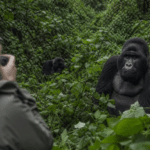
Gorillas may appear calm and gentle, but they are powerful animals that should never be approached or touched. Chimpanzees are highly intelligent, active, and unpredictable, especially when moving through their forest habitat.
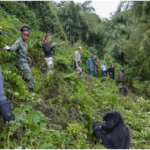
During your trek, listen carefully to your ranger’s instructions and maintain the distance required by the relevant park authorities. Never attempt to move closer for a photograph, block an animal’s path, or encourage it to approach you.
If an animal comes closer than expected, remain calm and follow your guide’s directions. Avoid sudden movements, loud noises, and direct attempts to interact with it.
Remember that the purpose of trekking is to observe wildlife behaving naturally, not to make wildlife behave according to our expectations.
Preventing the Spread of Human Diseases
Disease prevention is another essential part of responsible gorilla and chimpanzee trekking. Because humans and great apes share susceptibility to certain infections, illnesses that are relatively mild in people can have serious consequences for these animals.
Visitors should follow all health requirements set by park authorities. If you are feeling unwell, particularly with respiratory symptoms, inform your tour operator or park staff before joining the trek. You may need to postpone the activity in accordance with current rules and guidance.
Avoid coughing or sneezing towards the animals, touching them, or leaving tissues and other waste in the forest. Follow any mask requirements or additional health precautions communicated by your guide.
These measures may seem small, but they help reduce risks to already vulnerable wildlife populations.
Following Park Rules During Your Trek
Every gorilla and chimpanzee trekking destination has rules designed to protect wildlife and visitors. In Uganda, trekking takes place under the management of the relevant park authorities, and visitors are expected to follow the instructions of authorised guides and rangers.
Before entering the forest, your guide will explain the important guidelines. These may include group-size limits, viewing distances, time spent with the animals, photography restrictions, and health precautions.
As a responsible traveller:
Stay with your guide and follow the designated trail.
Keep your voice low when approaching wildlife.
Never feed, touch, chase, or call out to the animals.
Avoid flash photography and follow all photography restrictions.
Do not litter or remove plants and other natural objects.
Respect the permitted viewing time and all ranger instructions.
It can be tempting to ignore a rule when a gorilla turns towards you or a chimpanzee appears nearby. However, following the rules is more important than getting a perfect photograph.
Protecting the Forest and Its Wildlife
The forests where gorillas and chimpanzees live are home to many other species, including birds, butterflies, insects, and rare plants. Keeping these habitats healthy is just as important as protecting the primates themselves.
Responsible travellers should leave the forest as they found it. Carry rubbish back out, avoid single-use plastics where practical, and never throw food wrappers, bottles, or tissues along the trail.
Stay on authorised paths rather than walking through vegetation to improve your view. Do not disturb nests, damage plants, or take natural objects as souvenirs.
Your environmental responsibility should also extend to the rest of your safari. Choosing accommodation that manages waste carefully, uses water responsibly, and respects surrounding habitats can help reduce the environmental impact of your trip.
A healthy forest supports wildlife, local livelihoods, and future generations of travellers.
Supporting Local Communities Through Ethical Tourism
Responsible tourism should benefit the people who live around protected areas, not only the businesses that organise safaris.
Communities near Bwindi and Kibale depend on a variety of livelihoods, including farming, local trade, crafts, guiding, and tourism-related employment. When visitors support responsible local businesses, tourism can create economic opportunities and strengthen the relationship between communities and conservation.
Travellers can contribute by hiring local porters, purchasing locally made crafts, eating at local restaurants, and choosing tour operators that employ and fairly compensate local workers.
You can also consider community-based cultural experiences that allow you to learn about local traditions and everyday life. Approach these experiences with respect, ask permission before taking photographs, and listen to the people sharing their knowledge and culture.
Before booking a safari, ask your operator how it works with local communities. Genuine support is more meaningful than vague promises about giving back.
Choosing an Ethical Gorilla and Chimpanzee Trekking Operator
The company you choose can make a difference to your wildlife experience. A responsible safari operator should respect park regulations, work with authorised guides, provide clear information about trekking requirements, and put animal welfare ahead of close encounters.
Look for a company that explains responsible wildlife behaviour before your trek and is honest about the fact that wildlife sightings cannot be guaranteed. It should never encourage visitors to touch, feed, chase, or otherwise disturb wild primates.
You can also ask about the company’s local employment practices, conservation partnerships, and environmental policies.
Remember that an expensive safari is not automatically more ethical than a budget-friendly one. What matters is how the trip is organised, whether the rules are respected, and how the operator treats wildlife, local people, and the environment.
At Go To Africa Safari, responsible planning means helping travellers understand these expectations before they enter the forest, so they can enjoy their adventure with greater awareness and respect.
Where to Practise Responsible Gorilla and Chimpanzee Trekking in Uganda
Bwindi Impenetrable National Park
A leading destination for mountain gorilla trekking, with forest trails and several trekking sectors. Confirm your permit sector before arranging accommodation and transport.
Kibale National Park
Known for chimpanzee tracking through tropical forest. Visitors should remain with their guide and avoid disturbing chimpanzees as they move through the trees.
Mgahinga Gorilla National Park
Offers mountain gorilla trekking in a scenic landscape of montane forest and volcanic slopes. Following ranger guidance is essential throughout the encounter.
Budongo Forest
Another Ugandan forest associated with chimpanzee tracking. Choose an authorised experience and check current visitor requirements before travelling.
Each destination offers a different experience, but the same principle applies everywhere: wildlife welfare must come before visitor convenience. Check current permit conditions and trekking rules with the relevant wildlife authority or your safari operator before departure.
Can Responsible Tourism Really Help Conservation?
Responsible tourism can make a meaningful contribution, but it is not a complete solution to the challenges facing gorillas and chimpanzees.
Permit revenue, employment, conservation education, and community benefits can help support the protection of wildlife and their habitats. Tourism can also encourage international visitors to understand why these forests matter.
Nevertheless, successful conservation requires more than visitors paying for a trek. It also depends on habitat protection, scientific research, effective law enforcement, responsible land use, and the participation of communities living alongside wildlife.
As a traveller, you may not be able to solve every conservation challenge, but you can make choices that avoid unnecessary harm and support responsible practices.
Final Thoughts: Make Your Wildlife Encounter Count
Responsible tourism: the ethics of gorilla and chimpanzee trekking starts with recognising that these animals are not attractions created for human entertainment. They are wild primates that deserve protection, space, and a healthy habitat.
Whether you are trekking mountain gorillas in Bwindi or tracking chimpanzees in Kibale, your actions matter. Respect wildlife distances, follow your ranger’s instructions, take disease precautions, keep the forest clean, and support the communities that help protect these remarkable places.
With Go To Africa Safari, your journey can be an opportunity to experience Africa’s wildlife while learning about the importance of conservation and responsible travel.
The best safari is not simply the one that brings you closest to a gorilla or chimpanzee. It is the one that allows you to leave the forest knowing you treated its wildlife, people, and natural environment with respect.
Contact Go To Africa Safari to start organising your gorilla habituation adventure in Uganda.