Mountain Gorilla Habituation Experience in Bwindi: Everything You Need to Know
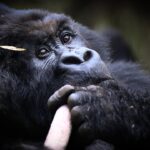
Imagine spending several hours in the forest with a team of researchers and trackers, watching mountain gorillas as they feed, interact, and move through their natural habitat. Instead of a quick wildlife encounter, you get more time to observe their behavior and learn how conservationists prepare them for visits from tourists.
This is what makes the Mountain Gorilla Habituation Experience in Bwindi Impenetrable National Park so special.
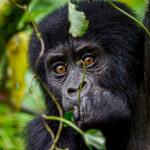
Located in southwestern Uganda, Bwindi is one of Africa’s most remarkable wildlife destinations. Its ancient rainforest is home to endangered mountain gorillas, forest birds, and many other species. While standard gorilla trekking is already an unforgettable adventure, the habituation experience offers a different opportunity for visitors who want to spend longer with these incredible primates.
If you are planning a Uganda safari with Go To Africa Safari, here is what you should know about the experience, where it takes place, how much time you spend with the gorillas, and how to prepare for the trek.
What Is the Mountain Gorilla Habituation Experience?
The Mountain Gorilla Habituation Experience is a special activity that allows visitors to accompany researchers, trackers, and park staff as they observe a mountain gorilla group undergoing habituation.
Habituation is the gradual process of helping wild gorillas become accustomed to the presence of humans without changing their natural behavior. This process can take several years and requires patience, careful monitoring, and strict conservation guidelines.
Gorillas are naturally wary of people. Before a group becomes available for standard gorilla tourism, specialists spend time observing it and gradually introducing a limited, carefully managed human presence.
During the habituation experience, visitors have the opportunity to learn about this process while observing gorillas that are still becoming accustomed to human presence.
It is important to understand that this is not a hands-on activity. Visitors must remain at a safe distance, follow their guides’ instructions, and avoid disturbing the animals.
For travelers interested in wildlife conservation, animal behavior, and photography, the experience offers a deeper look at the work involved in protecting Uganda’s mountain gorillas.
Where Can You Do Gorilla Habituation in Uganda?
The Mountain Gorilla Habituation Experience takes place in Bwindi Impenetrable National Park, a UNESCO World Heritage Site in southwestern Uganda.
Bwindi is famous for its dense rainforest, steep hills, and rich biodiversity. It is one of the most important habitats for mountain gorillas and attracts visitors from around the world.
The habituation experience is associated with the Rushaga sector in southern Bwindi. Because access and available groups are managed by park authorities, you should confirm the current location and permit arrangements when booking.
Rushaga is also a popular base for standard gorilla trekking, making it possible to explore different accommodation options in the surrounding area.
The journey to Bwindi is part of the adventure. Travelers can drive from Entebbe or Kampala through Uganda’s countryside, passing rolling hills, villages, plantations, and beautiful landscapes along the way. Domestic flights may also be available to nearby airstrips, depending on schedules and arrangements.
How Is Gorilla Habituation Different From Standard Gorilla Trekking?
The main difference is the amount of time spent with the gorillas and the nature of the experience.
During standard gorilla trekking, visitors search for a habituated gorilla family with the help of experienced guides and trackers. Once the family is located, visitors generally spend one hour observing it.
The habituation experience allows visitors to spend up to four hours with a gorilla group undergoing habituation, subject to the applicable rules and permit conditions.
This additional time gives you a better opportunity to observe the gorillas’ daily activities. You may see them feeding, grooming, resting, interacting with their young, or moving through the forest.
You also learn more about the work of trackers and researchers, including how they monitor the group and study its behavior.
Neither experience is necessarily better for everyone. Standard trekking is an excellent choice for visitors who want to see mountain gorillas without committing to a longer, potentially more demanding activity. Habituation is particularly appealing to travelers who want a more immersive wildlife experience.
How Long Does the Gorilla Habituation Experience Take?
The main attraction is the opportunity to spend up to four hours observing the gorillas after they are located.
However, the full excursion takes longer because you must attend a briefing, enter the forest, search for the gorilla group, and walk back after the activity.
The time needed to find the gorillas varies. Some groups may be located relatively quickly, while others may require several hours of hiking through thick vegetation and over steep terrain.
You should set aside the full day for the experience rather than planning another major activity immediately afterwards.
Because the gorillas live in a natural forest environment, there is no guarantee that the trek will be easy or that the animals will remain in one place.
How Much Does the Mountain Gorilla Habituation Experience Cost?
The habituation permit is more expensive than a standard gorilla trekking permit because it offers a longer period of observation and is available in limited numbers.
Permit prices depend on the visitor category and the rates set by the Uganda Wildlife Authority. International visitors, foreign residents, and East African citizens may have different rates.
Before booking, confirm the latest official price, availability, and permit conditions directly with the Uganda Wildlife Authority or through a reputable safari operator.
Remember that the permit is only one part of your overall budget. You will also need to consider accommodation, transport to Bwindi, meals, and any additional activities.
If you are planning to combine gorilla habituation with a longer Uganda safari, ask for a quotation that clearly separates the permit cost from the other travel expenses.
What Is the Best Time for Gorilla Habituation in Bwindi?
Gorilla habituation is available throughout the year, subject to permit availability and park arrangements.
Many travelers prefer the relatively dry periods from June to September and December to February because forest trails are often easier to navigate during these months.
However, Bwindi is a tropical rainforest, and rain can fall at any time. Even during the drier months, the trails can be muddy and slippery.
The wetter months, generally March to May and October to November, can also be rewarding. The forest is lush and green, although hiking conditions may be more challenging.
If you plan to travel during the popular dry periods, book your permit and accommodation well in advance. The limited number of habituation permits means that your preferred date may not always be available.
Is Gorilla Habituation Physically Difficult?
Yes, the experience can be physically demanding.
Bwindi is a mountainous rainforest with steep slopes, uneven ground, thick vegetation, and muddy trails. You may spend several hours walking before reaching the gorilla group, followed by an extended period observing the animals.
Your level of difficulty will depend on where the gorillas are located on the day of your visit, the weather, and your personal fitness.
You do not need to be a professional hiker, but you should be comfortable walking for extended periods in challenging conditions.
Wear sturdy hiking boots with good grip, long trousers, and a long-sleeved shirt. Gardening gloves can help protect your hands when moving through vegetation under your guide’s direction. Carry drinking water, a small backpack, and a waterproof jacket.
If you have mobility concerns, discuss them with your safari operator before booking so that you can understand the likely demands of the activity and any available assistance.
What Should You Expect During the Experience?
Your day usually begins early with a briefing from park staff. You will learn about the gorillas, safety rules, and the importance of protecting their habitat.
You then enter the forest with trackers, guides, and other members of the habituation team. The trackers use their knowledge of the gorillas’ movements and the forest to help locate the group.
Once you reach the gorillas, the team guides you on how to observe them responsibly. You may watch a mother caring for her infant, young gorillas playing, or adults feeding and interacting with one another.
The experience is not a performance, and the gorillas do not follow a set schedule. Some moments may be full of activity, while others may involve quietly watching the group rest or feed.
That unpredictability is part of what makes the experience worthwhile.
Visitors must follow all instructions from the habituation team, maintain the required distance, and never touch or feed the gorillas. Anyone with symptoms of a contagious illness should inform their operator before the activity because human diseases can threaten great apes.
Can You Combine Gorilla Habituation With Other Uganda Safari Activities?
Yes. Bwindi can be included in a longer itinerary that explores other parts of Uganda.
You could combine the habituation experience with a wildlife safari in Queen Elizabeth National Park, where game drives and boat trips along the Kazinga Channel offer opportunities to see elephants, buffaloes, hippos, and a variety of birds.
Lake Bunyonyi is another popular stop for travelers who want time to relax among the hills and islands of southwestern Uganda.
If you have additional days, you might also consider chimpanzee trekking in Kibale National Park. This provides a different primate experience, allowing you to observe chimpanzees in their forest habitat.
The best route depends on your arrival and departure arrangements, the amount of time you have, and your budget. Allow sufficient time for road transfers, as travel between parks can take several hours.
Is the Mountain Gorilla Habituation Experience Worth It?
For travelers who are passionate about wildlife, the habituation experience can be worth the additional cost.
The longer observation period gives you more time to watch gorillas and learn about the work involved in habituating them. It can be especially rewarding for wildlife photographers, nature enthusiasts, and visitors interested in conservation.
However, if you have limited time or a smaller budget, standard gorilla trekking remains an excellent way to encounter mountain gorillas in the wild.
Both experiences contribute to the value of protecting these endangered animals and their habitat through responsible tourism.
Book Your Mountain Gorilla Habituation Safari With Go To Africa Safari
A Mountain Gorilla Habituation Experience in Bwindi is more than a wildlife excursion. It offers a chance to understand the patience and conservation work involved in protecting mountain gorillas while spending valuable time observing them in their natural environment.
Go To Africa Safari can help you plan your visit to Bwindi Impenetrable National Park, check permit arrangements, choose suitable accommodation, and organise transport as part of your Uganda safari.
Whether you are interested in the longer habituation experience or standard gorilla trekking, planning ahead will help you make the most of your time in the Pearl of Africa.
Contact Go To Africa Safari to start organising your gorilla habituation adventure in Uganda.