Congo Gorilla Trekking in Virunga National Park: A Complete Guide
Congo gorilla trekking in Virunga National Park is one of Africa’s most remarkable wildlife experiences, offering travellers the opportunity to learn about endangered mountain gorillas in the forests of the Democratic Republic of Congo (DRC). Located in eastern Congo, Virunga is Africa’s oldest national park and one of the most important protected areas for mountain gorilla conservation.
The park is famous for its volcanic landscapes, lush forests, extraordinary wildlife, and dedicated conservation teams. For travellers interested in primates and authentic African adventures, Virunga holds a special place among the continent’s wilderness destinations.
At Go To Africa Safaris, we believe that understanding a destination before travelling is essential. This guide explores mountain gorillas in Virunga, the trekking experience, gorilla families, travel preparation, and important information about the park’s current tourism status.
Where Is Virunga National Park?
Virunga National Park is located in the eastern Democratic Republic of Congo, near the borders with Uganda and Rwanda. Established in 1925, it protects a remarkable range of habitats, including tropical forests, savannahs, wetlands, volcanic landscapes, and mountainous ecosystems.
The park is a UNESCO World Heritage Site and is internationally recognised for its exceptional biodiversity and conservation importance.
Virunga is particularly famous for its mountain gorillas, which inhabit the forested slopes of the Virunga Massif. The wider mountain gorilla population is shared between the Democratic Republic of Congo, Uganda, and Rwanda.
Beyond gorillas, the park is associated with chimpanzees, forest elephants, hippos, and many bird species. Its landscapes range from lowland plains to high volcanic mountains, making it one of Africa’s most distinctive protected areas.
Mountain Gorillas of Virunga National Park
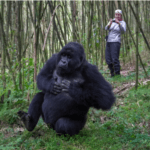
Mountain gorillas are among the world’s most fascinating primates. They live in social groups, usually led by a dominant silverback, with adult females, younger gorillas, and infants forming the rest of the family.
Virunga’s gorillas are monitored by park rangers and community trackers who help protect the animals, monitor their health, and safeguard their forest habitat.
Each gorilla family has its own social structure and history. Some groups contain many individuals, while others are smaller. Family composition changes over time as gorillas mature, form new groups, and move through the forest.
One notable group is the Bageni family, which has grown into one of Virunga’s largest mountain gorilla families. The park’s conservation teams continue to monitor numerous gorilla groups as part of their long-term protection efforts.
Mountain gorillas are endangered, and their survival depends on habitat protection, veterinary care, responsible tourism where available, and cooperation among conservation organisations and local communities.
What Is Gorilla Trekking in Virunga Like?
When tourism operations are open, gorilla trekking involves travelling into the forest with trained rangers and trackers to locate a habituated mountain gorilla family.
The experience generally begins with a briefing, during which visitors receive instructions about safety, appropriate behaviour, and gorilla conservation. Rangers then guide trekkers through the forest in search of the assigned group.
The length and difficulty of the hike depend on the gorillas’ location, the terrain, weather conditions, and the distance travelled by the animals.
Once a gorilla family is located, visitors on a standard trek are generally permitted a limited viewing period, traditionally one hour, subject to the applicable park regulations.
During an encounter, visitors may observe a silverback watching over its family, females caring for infants, or young gorillas playing and exploring. Seeing these animals in their natural environment can provide a deeper appreciation of their intelligence, family relationships, and vulnerability.
Important: As of October 2026, Virunga’s official tourism website reports that gorilla trekking is closed until further notice. Do not travel to the park expecting a trek unless the authorities confirm that operations have resumed.
What Makes Virunga Gorilla Trekking Special?
Virunga offers a distinctive combination of wildlife, conservation history, and dramatic scenery.
1. An opportunity to learn about endangered mountain gorillas
Mountain gorillas are found only in the forests of the Virunga Massif and Bwindi region. Observing them in their natural environment, when trekking is permitted, offers a valuable insight into their behaviour and conservation needs.
2. Extraordinary volcanic scenery
Virunga is known for its dramatic volcanic landscapes and mountainous terrain. The surrounding region contains some of Africa’s most striking natural scenery.
3. Dedicated conservation teams
Park rangers, trackers, and veterinary specialists play important roles in monitoring gorilla families and protecting them from poaching, disease, and habitat loss.
4. A rich natural environment
Virunga protects diverse habitats and wildlife beyond mountain gorillas. Its ecological importance makes it a significant destination for conservation research and nature education.
Gorilla Trekking Rules and Responsible Tourism
Mountain gorillas are closely related to humans and can catch some human respiratory infections. Responsible behaviour is therefore essential during any authorised gorilla encounter.
When trekking operations resume, visitors should follow the park’s current rules, which may include:
- Maintaining the required distance from gorillas.
- Following the instructions of rangers and guides.
- Wearing any protective equipment required by the authorities.
- Avoiding loud noises and sudden movements.
- Never feeding or touching wild gorillas.
- Avoiding trekking when experiencing symptoms of an infectious illness.
- Carrying out all rubbish and respecting the forest environment.
These precautions help protect both visitors and gorillas while supporting responsible wildlife tourism.
What Should You Pack for Gorilla Trekking?
When gorilla trekking is officially available, suitable clothing and equipment can make the forest hike more comfortable.
Consider packing:
- Waterproof hiking boots with good grip.
- Long trousers and a long-sleeved shirt.
- A lightweight waterproof jacket.
- Gardening gloves for protection against rough vegetation, where appropriate.
- Drinking water and snacks.
- A small daypack.
- A camera or phone for photographs, subject to park rules.
- Insect repellent and other personal essentials.
Forest conditions can be wet and muddy, so practical clothing is more important than fashionable safari outfits.
Follow the park’s latest equipment and health guidance before departure.
When Is the Best Time for Gorilla Trekking in Virunga?
Traditionally, travelers have considered the relatively drier months of June to September and December to February favourable for gorilla trekking in the region. Trails can still be muddy, and rain may occur throughout the year.
However, the best season is only relevant when tourism is operating. At present, travelers should prioritise the park’s official reopening announcements and current security guidance before choosing dates or making non-refundable travel arrangements.
Safety and Travel Planning in Eastern Congo
Security is an essential consideration when planning any visit to eastern Democratic Republic of Congo. Conditions can change rapidly, and access to protected areas may be restricted because of armed conflict or other operational concerns.
Before considering travel, check your government’s latest travel advisory and consult the official Virunga tourism website. Do not rely solely on old travel blogs, historical tour prices, or outdated reports claiming that trekking is available.
The official tourism website currently states that gorilla trekking and Nyiragongo treks are closed until further notice. Travelers should obtain direct confirmation from the park before making arrangements.
Can You Combine Congo Gorilla Trekking with Uganda or Rwanda?
In principle, a wider East African itinerary can include destinations in Uganda, Rwanda, and the Democratic Republic of Congo. Each country offers its own landscapes, wildlife, accommodation, and travel experiences.
Uganda’s Bwindi Impenetrable National Park and Mgahinga Gorilla National Park offer mountain gorilla trekking experiences, subject to permits and official operating conditions. Rwanda’s Volcanoes National Park is another established mountain gorilla destination.
However, cross-border travel requires careful planning, including appropriate visas, border requirements, transport arrangements, and current security assessments. A border being open does not automatically mean that every nearby national park or tourist activity is operating.
If Virunga remains closed during your intended travel dates, consider planning a gorilla trekking experience in Uganda or Rwanda instead, after confirming permit availability with the relevant authorities.
Plan Your African Wildlife Adventure with Go To Africa Safaris
Congo gorilla trekking in Virunga National Park represents an extraordinary chapter in Africa’s wildlife and conservation story. Its mountain gorillas, volcanic landscapes, and dedicated conservation teams make it an important destination for wildlife enthusiasts around the world.
Although trekking is currently suspended according to the official tourism website, travelers can continue learning about Virunga’s biodiversity and conservation work while monitoring announcements about the park’s reopening.
At Go To Africa Safaris, we encourage travelers to plan responsibly, verify current travel conditions, and choose wildlife experiences that protect both people and animals.
Whether you are interested in mountain gorillas, chimpanzees, Uganda’s national parks, or a broader East African safari, careful planning can help you create a rewarding and responsible African adventure.