Gorilla Families of Bwindi: Which Group Will You Meet?
Gorilla families of Bwindi are one of the main reasons travellers visit Uganda for an unforgettable wildlife adventure. Hidden within the thick tropical rainforest of Bwindi Impenetrable National Park, mountain gorillas live in family groups led by dominant silverbacks. Each family has its own character, social structure, and history, making every gorilla trekking experience special.
If you are planning a Uganda safari, you may be wondering which gorilla family you will meet, where the different groups live, and whether you can choose a particular family when booking your gorilla trekking permit. Understanding Bwindi’s four trekking sectors , Buhoma, Ruhija, Rushaga, and Nkuringo ,will help you plan your adventure.
At Go To Africa Safaris, we help travelers discover Uganda’s extraordinary wildlife and prepare for memorable encounters with mountain gorillas in their natural habitat.
Understanding Gorilla Families in Bwindi
Bwindi Impenetrable National Park is home to a significant population of endangered mountain gorillas. Several groups have been habituated to the presence of humans, allowing visitors to observe them under the supervision of trained Uganda Wildlife Authority rangers.
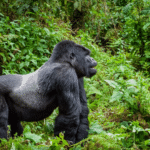
A gorilla family usually consists of a dominant silverback, adult females, juveniles, and infants, although the size and composition of each group can change over time. The silverback generally provides leadership and protection, while younger gorillas spend much of their time playing, exploring, and learning from other members.
Although travellers sometimes hope to visit a famous family, the experience is about much more than a group’s name. Watching a mother care for her infant, juveniles play in the vegetation, or a silverback calmly observe its surroundings can make any trek unforgettable.
Gorilla Families in Bwindi by Trekking Sector
Bwindi is divided into four main gorilla trekking sectors. Each offers access to habituated gorilla families, but the terrain, accommodation options, and journey to the starting point differ.
1. Buhoma Sector: The Historic Home of Gorilla Trekking
Located in northern Bwindi, Buhoma is the area where Uganda’s gorilla tourism journey began. It is a popular choice for visitors staying near the northern part of the forest and those combining gorilla trekking with other destinations in western Uganda.
Gorilla families historically associated with Buhoma include:
- Mubare: The first gorilla family habituated for tourism in Bwindi.
- Habinyanja: A well-known group with a long history.
- Rushegura: A family that originated from a split within the Habinyanja group.
- Katwe and Muyambi: Other groups reported in Buhoma trekking guides.
Buhoma is an excellent area to consider if you want to combine gorilla trekking with forest walks, birdwatching, and cultural experiences in the surrounding communities.
2. Ruhija Sector: Gorilla Trekking in the Eastern Forest
Ruhija lies in the eastern part of Bwindi and is known for its high-altitude forest, cool conditions, and beautiful natural scenery. The trekking experience can involve steep slopes and uneven forest trails, so a reasonable level of fitness is helpful.
Families associated with Ruhija include:
- Bitukura: Known for its relatively short habituation history.
- Oruzogo: A recognised family in this sector.
- Mukiza: A group named after its leading silverback.
The Kyaguriro group is also known in Ruhija, particularly for research purposes. Its availability for tourist trekking should be confirmed before making travel plans.
Ruhija can be a rewarding choice for travellers who enjoy quiet forest landscapes and want to explore the eastern side of Bwindi.
3. Rushaga Sector: Several Gorilla Families in Southern Bwindi
Rushaga, in southern Bwindi, is known for its variety of gorilla trekking groups and its association with the Gorilla Habituation Experience.
Families historically reported in this sector include:
- Bweza
- Busingye
- Kahungye
- Mishaya
- Nshongi
- Bikingi
Family membership and availability may change as gorillas move, groups split, and new arrangements are made by park authorities.
Rushaga is worth considering if you are interested in the Gorilla Habituation Experience, which allows visitors to spend an extended period with a gorilla group undergoing habituation. This experience requires a special permit and is different from standard gorilla trekking.
Before booking, confirm which experiences and gorilla groups are available for your intended travel dates.
4. Nkuringo Sector: Mountain Views and a Challenging Trek
Nkuringo is located in southwestern Bwindi and is known for its beautiful mountain scenery and rugged terrain. Depending on the gorillas’ location, trekking can involve demanding climbs and descents through dense vegetation.
Families associated with Nkuringo include:
- Nkuringo: The family that gave the sector its name.
- Bushaho: Another recognised group in the area.
- Christmas: A gorilla family featured in trekking guides.
Nkuringo can be an excellent option for adventurous travellers who enjoy dramatic landscapes and are prepared for a potentially strenuous forest trek.
As with all Bwindi sectors, confirm current gorilla family allocations and permit availability before finalising your itinerary.
Can You Choose Which Gorilla Family You Will Meet?
One of the most common questions travellers ask is whether they can select a particular gorilla family when booking a permit.
In most cases, you cannot guarantee a specific family in advance. Gorilla trekking permits are issued for a particular sector, and the park authorities organise visitors into available groups according to the arrangements for that day.
This means that if you book a permit for Rushaga, your trek will generally begin in Rushaga rather than Buhoma. Your assigned gorilla family may depend on availability, operational decisions, and the groups accessible at the time.
If you have a particular preference, discuss it with your safari operator before booking. Although a specific family cannot normally be guaranteed, choosing the right sector can help you organise accommodation, transport, and the overall safari experience.
Which Bwindi Gorilla Trekking Sector Is Best?
There is no single best sector for everyone. The right choice depends on your itinerary, accommodation, physical fitness, and interest in different safari activities.
Buhoma is a good option for travellers looking for established tourism facilities and access to northern Bwindi.
Ruhija suits visitors interested in the eastern forest and its cooler, high-altitude environment.
Rushaga is worth considering for travellers interested in several trekking options, including the Gorilla Habituation Experience when available.
Nkuringo appeals to adventurous travellers who appreciate mountainous scenery and do not mind challenging terrain.
Remember that the difficulty of a trek depends partly on where the gorillas are on the day. Even within the same sector, one trek may be relatively short while another requires several hours of walking.
What Happens During a Gorilla Trek?
Your gorilla trekking adventure usually begins early in the morning with registration and a briefing from Uganda Wildlife Authority staff. Rangers explain the trekking rules, safety precautions, and what to expect in the forest.
Visitors then follow experienced guides and trackers into the forest in search of their assigned gorilla family. The time needed to locate the gorillas varies according to their movements and the terrain.
Once the group is located, visitors on a standard trek are generally allowed up to one hour to observe the gorillas, subject to the rules and guidance of the park authorities.
You may see gorillas feeding, resting, grooming one another, or moving through the forest. Infants and juveniles can be particularly entertaining to watch, while the silverback often remains an impressive presence within the family.
The experience requires patience, respect for wildlife, and a willingness to explore a natural environment where conditions cannot be controlled.
Best Time to Visit Bwindi for Gorilla Trekking
Gorilla trekking is available throughout the year. Many travellers prefer the relatively drier periods, commonly around June to August and December to February, when trails may be less muddy.
However, Bwindi is a rainforest, and rain can occur in any month. The wetter periods can make hiking more challenging, but the forest remains beautiful, and gorilla trekking continues according to park conditions and official arrangements.
The best time for your trip also depends on your wider Uganda itinerary, accommodation availability, and permit dates. Booking in advance gives you more flexibility when organising these details.
Plan Your Gorilla Trekking Safari with Go To Africa Safaris
Meeting mountain gorillas in Bwindi is an extraordinary opportunity to experience one of Africa’s most remarkable wildlife encounters. Whether your trek begins in Buhoma, Ruhija, Rushaga, or Nkuringo, the experience offers a rare glimpse into the lives of these endangered primates.
At Go To Africa Safaris, we can help you plan your Uganda gorilla trekking safari, organise suitable accommodation and transport, and combine your trek with other destinations such as Queen Elizabeth National Park, Kibale Forest, or Lake Bunyonyi.
If you are unsure which Bwindi sector suits your travel plans, contact our team to discuss your dates, interests, and preferred style of safari.