Trekking Silverback Gorillas: A Once-in-a-Lifetime Encounter
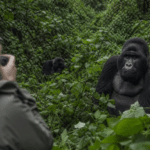
Trekking silverback gorillas is one of the most unforgettable wildlife experiences you can have in Africa. Imagine walking through a mist-covered rainforest, listening to birds calling overhead, and following experienced trackers through thick vegetation. Then, suddenly, you find yourself standing near a massive silverback, watching quietly as he looks after his family. It is the kind of moment that makes you forget about everything else around you.
For many travellers, gorilla trekking is not just another activity on a safari itinerary. It is a chance to see these remarkable animals in their natural home and understand why protecting them matters. Uganda and Rwanda are popular destinations for mountain gorilla trekking, while the Democratic Republic of Congo has also been known for its gorilla conservation experiences.
At Go To Africa Safari, we believe the best wildlife journeys are those that bring you closer to nature while helping you appreciate the importance of conservation. If you are considering trekking silverback gorillas, here is what you should know before planning your adventure.
Why Seeing a Silverback in the Wild Is Different
A silverback is a mature male gorilla recognised by the silver-grey hair that develops across his back as he grows older. He often leads a family group, helps protect its members, and plays an important role in maintaining the group’s social structure.
What makes seeing one in the wild so special is not simply his size. It is the opportunity to observe his behaviour in a natural setting. You might find him resting beneath a tree while younger gorillas play nearby, feeding on vegetation, or keeping a watchful eye on the group.
Gorillas share many characteristics with humans, including strong family bonds and complex social interactions. Watching a mother care for her infant or young gorillas playfully testing their strength can be just as fascinating as seeing the dominant male.
Although silverbacks are powerful animals, they generally avoid unnecessary conflict. Visitors must respect their space and follow the instructions of their guides throughout the encounter.
Where Can You Go Trekking Silverback Gorillas?
Choosing the right destination depends on your travel budget, available time, and the kind of safari you want to experience.
Bwindi Impenetrable National Park, Uganda
Bwindi Impenetrable National Park is one of Africa’s best-known destinations for mountain gorilla trekking. Located in southwestern Uganda, this ancient rainforest shelters a significant population of endangered mountain gorillas.
Visitors trek from four main sectors: Buhoma, Ruhija, Rushaga, and Nkuringo. Each provides access to habituated gorilla families, depending on the permit issued and the arrangements made by park authorities.
The forest is beautiful, but the hike can be demanding. Expect steep hills, tangled roots, muddy trails, and occasional rain. Some treks take a relatively short time, while others require several hours of walking before the gorillas are located.
The reward is an intimate wildlife encounter in a forest that has remained an important refuge for mountain gorillas.
Mgahinga Gorilla National Park, Uganda
Mgahinga Gorilla National Park offers another opportunity to see mountain gorillas in Uganda. Situated within the Virunga Mountains, it is known for its volcanic scenery, bamboo forests, and dramatic mountain views.
The park is smaller than Bwindi, giving the experience a different atmosphere. It is particularly appealing to travellers who enjoy combining wildlife with beautiful mountain landscapes.
Gorilla trekking here can also fit into a wider southwestern Uganda itinerary, with opportunities to explore nearby communities and other natural attractions.
Volcanoes National Park, Rwanda
Volcanoes National Park lies in northwestern Rwanda and is one of the country’s leading wildlife destinations. Its forested volcanic slopes provide habitat for habituated mountain gorilla families that visitors can track with trained guides.
One advantage of Rwanda is its accessibility from Kigali. Travellers can drive from the capital to the Musanze area, where most gorilla trekking accommodation is based.
The length of the trek depends on where the assigned gorilla family is located. Some visitors reach their group relatively quickly, while others spend several hours walking through the forest.
Democratic Republic of Congo
The Democratic Republic of Congo is home to different gorilla populations, including mountain gorillas in the Virunga region and eastern lowland gorillas elsewhere in the country. These are different subspecies living in different habitats.
Virunga National Park has a long history of gorilla conservation, but security conditions and park operations can affect access to trekking activities. Check current official travel advisories and park announcements before considering a visit.
What Happens During a Gorilla Trek?
Most treks begin in the morning with a briefing from park staff. You will receive guidance about forest conditions, gorilla behaviour, and the rules you must follow.
You then enter the forest with experienced guides and trackers who use information about the gorillas’ movements to locate your assigned family.
The walk itself is part of the adventure. You may pass through dense vegetation, climb steep slopes, and cross muddy sections of the trail. The duration varies because gorillas move freely through the forest.
Once the family is found, your guide will explain where to stand and how to behave. You may see the silverback feeding, resting, or moving through the undergrowth while other gorillas groom one another or play nearby.
A standard mountain gorilla trekking visit in Uganda or Rwanda generally allows up to one hour with the habituated family, subject to park regulations and conditions.
Use that time to observe rather than focusing entirely on photographs. The way a silverback interacts with his family can tell you a great deal about gorilla behaviour and social life.
Preparing for the Forest Adventure
You do not need to be a professional hiker to enjoy gorilla trekking, but some preparation makes a real difference.
Pack sturdy hiking boots with good grip, long trousers, a waterproof jacket, gardening gloves for handling vegetation, and enough drinking water. A small backpack helps you carry your essentials comfortably.
A reasonable level of fitness is useful because the terrain can be steep and slippery. If you have mobility concerns, discuss them with your tour operator before booking to find out what assistance may be available.
You can also hire a porter where the park provides this service. Porters help carry bags and may assist on difficult sections of the trail, while their work supports livelihoods in communities surrounding the parks.
Remember that mountain forest weather can change quickly, so even during the drier months, it is wise to carry rain protection.
How Much Does Trekking Silverback Gorillas Cost?
The cost of trekking silverback gorillas depends on your destination, permit, accommodation, transport, and the length of your safari.
Uganda’s standard mountain gorilla trekking permit for foreign non-residents has been listed at US$800 under the tariff introduced in 2024. Rwanda has traditionally charged US$1,500 for a standard mountain gorilla trekking permit. Confirm current rates and permit availability with the relevant wildlife authority before making your booking.
Your overall safari budget should also include accommodation, meals, transport to the trekking area, guide services, and any additional activities.
Uganda is a good option for travellers who want to combine gorilla trekking with chimpanzee tracking in Kibale Forest, wildlife viewing in Queen Elizabeth National Park, or a visit to Lake Bunyonyi.
Rwanda may suit travellers planning a shorter itinerary centred on gorillas and attractions around Kigali. The best choice depends on your budget, travel dates, and wider safari plans.
When Should You Plan Your Trek?
Gorilla trekking is available throughout the year in Uganda and Rwanda. However, weather conditions can influence the difficulty of the walk.
June to August and December to February are generally popular periods because conditions are often drier. Even so, rain can fall at any time in these tropical forests.
During wetter months, the forest becomes particularly lush, but muddy paths can make the trek more challenging. Gorilla sightings remain possible throughout the year because the animals live in these habitats permanently.
If you have fixed travel dates, arrange your permit early and choose accommodation close to your trekking sector. This helps reduce unnecessary travel on the morning of your trek.
Keeping the Gorillas Safe
Responsible tourism plays an important role in mountain gorilla conservation. These animals are vulnerable to certain human illnesses, including respiratory infections, so visitors should not trek when they have a potentially infectious condition.
During the encounter, maintain the required distance, speak quietly, and avoid sudden movements. Never touch, feed, or attempt to attract a gorilla. Follow your guide’s instructions about photography and positioning, and carry all rubbish out of the forest.
If a silverback approaches or displays unusual behaviour, remain calm and follow your guide’s directions. Do not move closer in an attempt to get a better photograph.
Respecting these guidelines protects both the gorillas and the people who visit them.