How Physically Demanding Is Gorilla Trekking?
How physically demanding is gorilla trekking? It is one of the most common questions travellers ask before booking a gorilla safari in Uganda or Rwanda. The truth is that gorilla trekking can be an easy forest walk on some days and a challenging hike on others. It all depends on where the gorillas are, the terrain, the weather, and your level of fitness.
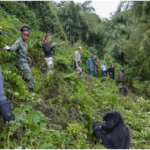
Imagine walking through a beautiful rainforest in search of mountain gorillas. The trail takes you up a steep hillside, the ground is slippery after rain, and thick vegetation makes the path difficult to follow. Just when you begin wondering how much farther you have to go, your guide signals that the gorillas are nearby. Suddenly, the effort feels worthwhile.
Gorilla trekking is not a competition, and you do not need to be an athlete to enjoy it. However, understanding what lies ahead will help you prepare properly and enjoy your African safari with Go To Africa Safari.
What Makes Gorilla Trekking Physically Challenging?
The biggest challenge is that gorillas live in mountainous forest environments rather than open, flat landscapes. You must walk through their natural habitat, where paths are not always smooth or predictable.
Several factors determine how difficult your trek will be.
Steep hills and uneven trails
In places such as Bwindi Impenetrable National Park in Uganda, the terrain can be particularly demanding. Trails may climb steep slopes, cross exposed roots, or pass through thick vegetation. Even a relatively short walk can feel tiring when much of it involves climbing.
Mud and changing weather
Rain is common in tropical forests, including during periods that are generally considered drier. Wet ground can make the trails slippery, so you need to watch your footing and maintain a steady pace.
The distance to the gorillas
Mountain gorillas move freely through the forest in search of food. Some families may be found relatively close to the starting point, while others can require several hours of hiking to reach. The duration is therefore difficult to predict in advance.
Altitude and fatigue
Some trekking areas are located at considerable elevations. Walking uphill at altitude can leave you breathless more quickly than you might expect, particularly if you are not accustomed to hiking.
These factors mean that two travellers visiting the same park can have very different experiences, depending on the location of their assigned gorilla family and the day’s conditions.
How Long Do You Actually Walk?
There is no fixed trekking duration. Some visitors reach their gorilla family within an hour, while others may spend several hours walking before finding the animals.
The total time includes the walk to the gorillas and the return journey. After reaching a habituated mountain gorilla family, visitors in Uganda and Rwanda generally spend up to one hour observing them, subject to the applicable park rules.
It is worth remembering that a short trek is not always an easy one. A steep, muddy climb lasting 45 minutes may be more tiring than a longer walk over gentler ground.
For this reason, plan your day without rushing. Wear suitable footwear, carry drinking water, and listen to your guide’s advice about the trail.
Is Bwindi Harder Than Rwanda’s Volcanoes National Park?
Both destinations offer remarkable mountain gorilla encounters, but the difficulty depends on the particular trek rather than the country alone.
Bwindi Impenetrable National Park, Uganda
Bwindi is famous for its dense rainforest, steep hills, and challenging trails. Some treks involve climbing through thick vegetation or navigating slippery slopes. The Buhoma, Ruhija, Rushaga, and Nkuringo sectors have different terrain, so the experience can vary considerably.
Travellers should be prepared for a genuine forest hike rather than expecting a short walk to a viewing platform.
Volcanoes National Park, Rwanda
Volcanoes National Park lies on the slopes of the Virunga volcanoes. Trekking conditions vary according to the location of the assigned gorilla family, and some routes involve steep sections and muddy ground.
Rwanda’s accessibility from Kigali can make it convenient for shorter safari itineraries, but that does not necessarily mean the trek itself will be easier.
Which destination should you choose? If physical difficulty is your main concern, discuss your fitness and mobility with your safari operator before selecting a trekking sector or gorilla family assignment. Neither destination guarantees an easy walk.
Do You Need to Be Physically Fit?
You do not need to be a marathon runner or experienced mountaineer to go gorilla trekking. Many ordinary travellers successfully complete the hike, including people who do not exercise regularly.
However, a reasonable level of fitness makes the experience more comfortable. If you can walk for an extended period, manage moderate hills, and recover after short periods of exertion, you will generally be better prepared.
If you have not exercised for some time, start preparing several weeks before your safari. Gradually increase your walking distance and practise walking uphill where possible.
Travellers with mobility limitations should discuss their needs with the park authorities or a reputable tour operator before booking. Available assistance and suitability depend on the location and current arrangements.
How to Prepare Without Joining a Gym
You do not need an expensive fitness programme to prepare for gorilla trekking. A few simple activities can help build stamina and confidence.
- Walk regularly: Begin with comfortable walks and gradually increase the duration.
- Practise on hills: Gentle uphill and downhill walks help prepare your legs for uneven terrain.
- Wear your hiking boots beforehand: This helps reduce the risk of blisters and discomfort.
- Practise carrying a backpack: Get used to carrying water, snacks, and other essentials.
- Take breaks when needed: Learn to maintain a comfortable pace instead of pushing yourself too hard.
If possible, practise walking on natural trails rather than relying entirely on flat pavements. Even a few weeks of consistent preparation can make a difference to your comfort.
What Should You Pack for an Easier Trek?
The right equipment will not remove every challenge, but it can make walking through the forest much more manageable.
Sturdy hiking boots with good grip are among the most important items. Long trousers and a long-sleeved shirt help protect your skin from vegetation, while gardening gloves can be useful when you need to steady yourself against plants.
Carry a lightweight waterproof jacket because rain can arrive unexpectedly. Drinking water is essential, and a small backpack allows you to carry your belongings without using your hands.
A walking stick may also help on steep or muddy sections, where available. Local porters can often be hired to carry your bag and provide assistance on difficult terrain. Their services also support communities living near the national parks.
Avoid carrying unnecessary items. A lighter backpack can make a long hike noticeably more comfortable.
What If You Get Tired During the Trek?
It is normal to feel tired during a demanding hike, especially when climbing hills or walking on muddy ground. The important thing is to communicate with your guide rather than struggle silently.
Walk at a steady pace, take appropriate breaks, and drink water regularly. Do not feel pressured to keep up with the fastest person in your group.
Where available, porters can provide practical support, and some destinations may have arrangements for visitors with limited mobility. If you think you will need additional assistance, make enquiries well before your travel date.
A specialised sedan chair or other mobility support may be available in certain trekking areas, but availability, costs, advance arrangements, and suitability must be confirmed. These services should never be assumed to be available everywhere.
If you experience severe breathlessness, chest pain, dizziness, or feel seriously unwell, tell your guide immediately and seek appropriate assistance.
Is Gorilla Trekking Worth the Physical Effort?
For most travellers who enjoy nature and wildlife, the experience is well worth the effort. After navigating the forest, seeing a mountain gorilla family in its natural habitat can be deeply moving.
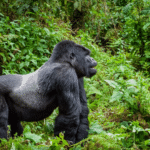
You may watch a mother caring for her infant, young gorillas playing among the vegetation, or a silverback resting nearby while keeping an eye on his family. These are genuine moments in the lives of wild animals, not a performance arranged for visitors.
The physical challenge is part of what makes the encounter memorable. Still, the goal is not to prove how far you can walk. It is to enjoy the experience safely and respectfully.
If you are planning a gorilla safari with Go To Africa Safari, choose your destination carefully, prepare through regular walking, and discuss any physical limitations before booking.