Combining Gorilla and Chimpanzee Trekking in One Safari
Combining gorilla and chimpanzee trekking in one safari is one of the best ways to experience Uganda’s incredible primate wildlife. Imagine walking through the misty rainforest of Bwindi Impenetrable National Park to meet a family of mountain gorillas, then heading into Kibale Forest to watch chimpanzees jumping between trees, calling to one another, and searching for food. These are two very different encounters, and experiencing both on the same trip makes an African safari even more memorable.
Uganda is an excellent destination for this adventure because it offers mountain gorilla trekking in Bwindi or Mgahinga Gorilla National Park and chimpanzee tracking in Kibale Forest National Park. With good planning, you can combine both activities into one itinerary while discovering beautiful landscapes, wildlife, local communities, and some of the country’s most rewarding safari destinations.
At Go To Africa Safaris, we help travellers plan primate adventures that fit their interests, travel dates, and budgets. In this guide, you will learn where to go, how many days to allow, what the experience is like, and how to prepare for your gorilla and chimpanzee trekking safari in Uganda.
Why Combine Gorilla and Chimpanzee Trekking?
Although mountain gorillas and chimpanzees are both great apes, seeing them in the wild feels very different.
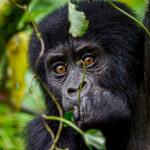
Mountain gorillas are generally observed in family groups. During a gorilla trek, you might watch a silverback resting nearby, a mother caring for her infant, or young gorillas playing in the vegetation. Their behaviour can appear calm and familiar, making the encounter deeply moving.
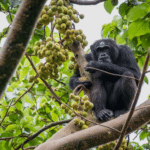
Chimpanzees, on the other hand, are often much more active. You may hear them calling before you see them, watch them move rapidly through the trees, or observe them feeding and interacting on the forest floor. Their social behaviour and energetic movements make chimpanzee tracking an exciting experience.
Combining the two activities gives you a broader understanding of great apes and the different forest habitats they depend on. It also allows you to experience two of Uganda’s most important primate conservation destinations during one holiday.
Where Can You See Gorillas and Chimpanzees in Uganda?
Uganda offers several places to encounter great apes, but the most popular combination for many travellers is mountain gorilla trekking in Bwindi and chimpanzee tracking in Kibale Forest.
1. Mountain Gorilla Trekking in Bwindi Impenetrable National Park
Bwindi Impenetrable National Park lies in southwestern Uganda and protects an ancient rainforest that is home to a significant population of endangered mountain gorillas.
The park has four main trekking sectors: Buhoma, Ruhija, Rushaga, and Nkuringo. Each offers access to habituated gorilla families, although the terrain, accommodation options, and trekking conditions vary.
Your gorilla trek usually begins early in the morning with a briefing from Uganda Wildlife Authority rangers. You then enter the forest with experienced guides and trackers who help locate your assigned gorilla family.
The hike can take several hours, depending on where the gorillas are located and the condition of the trails. Once the family is found, visitors on a standard trek are generally allowed up to one hour to observe the gorillas, following the park’s rules.
For many travellers, this is the highlight of the entire safari. Seeing mountain gorillas in their natural habitat offers a rare opportunity to appreciate their family relationships and the importance of protecting these endangered animals.
2. Chimpanzee Trekking in Kibale Forest National Park
Kibale Forest National Park, located in western Uganda near Fort Portal, is one of the country’s best-known destinations for chimpanzee tracking.
The park protects tropical forest and supports a rich diversity of primates, birds, and other wildlife. Chimpanzees are the main attraction for many visitors, and guided tracking offers an opportunity to observe these intelligent animals in their natural environment.
Your experience typically begins with a ranger briefing before you enter the forest. Guides and trackers help locate the chimpanzees, and the length of the walk depends on the group’s movements and the forest conditions.
Chimpanzees are highly active, so the experience can be unpredictable. You might hear their loud calls echoing through the trees, see them feeding, or watch them move quickly between branches.
Standard chimpanzee tracking and the Chimpanzee Habituation Experience are different activities, with separate arrangements and permit requirements. If you are interested in spending longer with chimpanzees, ask about the habituation experience when planning your trip.
How Many Days Do You Need for a Gorilla and Chimpanzee Safari?
The number of days depends on your arrival point, travel pace, accommodation choices, and whether you want to include other national parks.
For most travellers, five to seven days is a practical starting point for combining chimpanzee tracking in Kibale with gorilla trekking in Bwindi. A longer trip gives you more time to enjoy the scenery and reduces the pressure of travelling long distances between activities.
Here is an example of a six-day itinerary.
Day 1: Arrival in Entebbe and Transfer to Kibale
Arrive at Entebbe International Airport and begin your journey towards western Uganda, depending on your arrival time and transport arrangements.
The drive to the Kibale area takes several hours, so an early arrival or an overnight stay before travelling may make the journey more comfortable. Spend the evening relaxing at your lodge and preparing for the following day’s activity.
Day 2: Chimpanzee Trekking in Kibale Forest
After breakfast, head to the park’s designated briefing point for your chimpanzee tracking experience.
With your ranger and guide, enter the forest in search of a chimpanzee community. Listen for their calls, watch for movement in the canopy, and learn about their behaviour and habitat.
After the trek, return to your lodge. If time permits, you can explore nearby attractions or simply relax in the beautiful surroundings of western Uganda.
Day 3: Travel Towards Bwindi Impenetrable National Park
After breakfast, travel towards your selected gorilla trekking sector in Bwindi. The drive can be long, and the journey time depends on your route, road conditions, and stops along the way.
You may pass through rural communities, rolling hills, plantations, and scenic countryside. Arriving near your trekking sector the day before your gorilla trek helps you avoid a rushed early-morning transfer.
Day 4: Mountain Gorilla Trekking in Bwindi
Today is the highlight for many travellers. After an early breakfast, head to the park headquarters for registration and a briefing.
Rangers assign visitors to available gorilla groups and explain the trekking rules. You then walk into the forest with your guides and trackers.
When the gorillas are found, you generally have up to one hour to observe the family during a standard trek. Take your time, listen to your ranger, and enjoy the experience without disturbing the animals.
Return to your lodge afterwards for a well-earned rest.
Day 5: Explore Bwindi or Enjoy a Scenic Stop
After two exciting days of primate trekking, take time to enjoy the surrounding region. Depending on where you are staying, you may arrange a guided community visit, a nature walk, or a relaxing stop near Lake Bunyonyi.
These experiences provide an opportunity to learn about local life and appreciate the landscapes beyond the rainforest.
Day 6: Return to Entebbe or Continue Your Safari
After breakfast, begin your return journey towards Entebbe or continue to another destination if your itinerary allows.
Because the drive from southwestern Uganda to Entebbe is long, avoid booking a tight international flight connection on the same day without allowing sufficient time. An overnight stay or a domestic flight option, where available and suitable, may make the journey more comfortable.
How Much Does a Gorilla and Chimpanzee Trekking Safari Cost?
The total cost depends on your travel dates, group size, accommodation standard, transport, meals, and the permits required for each activity.
For planning purposes, standard published permits for foreign non-resident visitors have been priced at approximately:
- Uganda gorilla trekking: US$800 per person.
- Uganda chimpanzee tracking in Kibale: US$250 per person.
These are reference rates and may not reflect every visitor category, promotion, or subsequent price change. Confirm the applicable rates and availability with the Uganda Wildlife Authority or an authorised operator before booking.
Your complete safari budget may also include:
- Airport transfers and private transport.
- Accommodation and meals.
- Park entrance or activity fees not included in the permits.
- A professional driver-guide, if required.
- Community visits and optional activities.
- Tips, personal expenses, and travel insurance.
A private safari generally costs more per person than travelling in a larger group, but it offers greater flexibility with departure times, stops, and accommodation choices.
When comparing safari quotations, check exactly what is included. A lower advertised price may exclude permits, meals, or transfers that you will need to pay for separately.
What Is the Best Time to Combine Gorilla and Chimpanzee Trekking?
Both activities are available during much of the year, subject to park operations and permit availability.
Many travellers prefer the relatively drier periods, commonly June to August and December to February. Trails may be easier to navigate during these months, although rain can occur at any time in Uganda’s tropical forests.
During wetter periods, the vegetation can be lush and the forest especially beautiful, but muddy trails may make walking more challenging.
Chimpanzees remain in the forest throughout the year, and gorilla trekking also operates across different seasons when permits are available. Rather than choosing your dates based only on the weather, consider your preferred accommodation, available permits, and wider travel plans.
Booking early is especially helpful if you have fixed travel dates or want a particular gorilla trekking sector.
Is Gorilla and Chimpanzee Trekking Difficult?
Both activities involve walking through natural forest, but the difficulty varies from one day to another.
Gorilla trekking can involve steep slopes, muddy paths, thick vegetation, and several hours of hiking. The gorillas may be close to the starting point or much farther away, so the exact walking distance cannot be guaranteed.
Chimpanzee tracking can also require extended walking. The chimpanzees are mobile, and visitors may need to follow their movements through the forest.
You can prepare by taking regular walks before your trip, practising on hills if possible, and breaking in your hiking boots. Tell your safari operator about any mobility concerns before booking so that you can discuss the terrain and available assistance.
Hiring a porter can be useful if you would like help carrying your bag or negotiating difficult sections of the trail.
Plan Your Gorilla and Chimpanzee Safari with Go To Africa Safaris
Combining gorilla and chimpanzee trekking in one safari gives you the opportunity to discover two of Africa’s most fascinating great apes while exploring Uganda’s beautiful forests and countryside.
From the quiet presence of a mountain gorilla family in Bwindi to the energetic calls of chimpanzees in Kibale, each encounter offers something different. With confirmed permits, suitable accommodation, reliable transport, and a well-planned route, you can enjoy both experiences without rushing from one destination to another.
At Go To Africa Safaris, we help travellers organise Uganda primate safaris according to their preferred dates, budgets, and interests. Whether you want a short gorilla and chimpanzee trip or a longer journey that includes wildlife game drives and scenic destinations, we can help you explore the options.