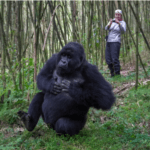
Gorilla Trekking for Beginners: A First-Timer’s Guide
Gorilla trekking for beginners can feel exciting, especially if you have never explored a tropical rainforest or come face to face with a wild mountain gorilla before. You might be wondering how difficult the hike is, what to pack, how much a permit costs, or whether you need to be physically fit to take part. The good news is that you do not need to be an experienced hiker to enjoy this incredible adventure, although some preparation will make your trek much easier.
Uganda and Rwanda are two of the best places to see mountain gorillas in their natural habitat. From walking through the misty forests of Bwindi Impenetrable National Park to exploring the volcanic slopes of Rwanda’s Volcanoes National Park, every trek offers a different experience. You might watch a mother gorilla caring for her baby, see young gorillas playing in the forest, or quietly observe a powerful silverback resting nearby.
In this guide, Go To Africa Safaris shares practical advice to help you prepare for your first gorilla trekking adventure, choose the right destination, understand permit costs, and know what to expect on the day. By the time you finish reading, you will have a clearer idea of how to plan your trip and make the most of your time in Africa.
What Is Gorilla Trekking?
Gorilla trekking is a guided walk through a forest to find a habituated family of mountain gorillas. These gorillas live freely in their natural habitat but have become accustomed to the presence of people through a carefully managed habituation process.
Unlike a traditional wildlife safari, where you watch animals from a vehicle, gorilla trekking takes you into the forest on foot. Experienced rangers and trackers lead the way, using their knowledge of the gorillas’ movements to help locate a family.
The walk can take a few hours, depending on where the gorillas are that day. Once the family is found, visitors on a standard trek are generally allowed up to one hour to observe them, following the park’s rules.
For many travellers, this is the most memorable part of their Uganda or Rwanda safari. Seeing a gorilla family interacting naturally in the forest is a very different experience from watching wildlife in a zoo or viewing animals from a distance on a game drive.
Where Can You Go Gorilla Trekking?
Mountain gorilla trekking is available in Uganda and Rwanda. The Democratic Republic of Congo has also historically offered gorilla trekking, but travellers must check current security conditions and official park operating status before making plans.
1. Bwindi Impenetrable National Park, Uganda
Bwindi Impenetrable National Park is one of Africa’s most famous mountain gorilla destinations. Located in southwestern Uganda, this ancient rainforest is home to a significant proportion of the world’s mountain gorillas.
Bwindi has four main trekking sectors: Buhoma, Ruhija, Rushaga, and Nkuringo. Each has its own accommodation options, scenery, and trekking conditions. The best sector for you will depend on your permit, where you are staying, your itinerary, and your physical comfort.
Bwindi is particularly suitable for travellers who want to combine gorilla trekking with other Ugandan experiences, such as chimpanzee tracking in Kibale Forest, game drives in Queen Elizabeth National Park, or a relaxing visit to Lake Bunyonyi.
The forest trails can be steep, muddy, and uneven, so good hiking boots and a reasonable level of fitness are helpful.
2. Mgahinga Gorilla National Park, Uganda
Mgahinga Gorilla National Park is another place to see mountain gorillas in Uganda. It lies in the Virunga mountain range, where forested slopes meet dramatic volcanic scenery.
The park is smaller than Bwindi and offers a different atmosphere for visitors who enjoy mountain landscapes. Depending on availability, travellers can combine gorilla trekking with golden monkey tracking or scenic walks.
Mgahinga can also fit into an itinerary that includes southwestern Uganda and the wider Virunga region. However, permit availability should be confirmed before choosing your travel dates.
3. Volcanoes National Park, Rwanda
Volcanoes National Park in northwestern Rwanda is another popular destination for mountain gorilla trekking. The park protects forested volcanic slopes and provides access to habituated gorilla families.
One advantage of trekking in Rwanda is the relatively short road journey from Kigali to the Musanze area, where many visitors stay before their trek. This can be convenient if you have limited time and want to focus your trip on gorillas.
Rwanda is also worth considering if you want to combine gorilla trekking with cultural experiences, scenic countryside, or a visit to Kigali.
The best choice between Uganda and Rwanda depends on your budget, available time, accommodation preferences, and the kind of safari you want.
Is Gorilla Trekking Difficult for Beginners?
This is one of the first questions people ask when planning their trip. The honest answer is that gorilla trekking can be easy for some visitors and physically demanding for others.
The difficulty depends on the location of the gorilla family, the terrain, the weather, and how far you need to walk. Some treks involve a relatively short walk, while others require several hours of hiking through thick vegetation and over steep slopes.
You do not need to be a professional hiker, but you should be prepared to walk on uneven ground. Forest trails can become slippery after rain, and the altitude may make the activity more tiring than an ordinary walk.
If you are not used to hiking, start preparing a few weeks before your trip. Regular walks, gentle hill climbs, and other activities that improve your stamina can help. Wear your hiking boots beforehand so that they feel comfortable on the day.
You can also hire a porter, where available, to carry your backpack and assist you on difficult sections of the trail. Besides making the trek easier, hiring a porter helps support local livelihoods.
If you have mobility concerns or a medical condition that could affect your ability to hike, discuss your needs with your safari operator and healthcare professional before booking.
How Much Does Gorilla Trekking Cost?
The gorilla trekking permit is usually the biggest single expense of the experience. However, your total safari cost will also depend on transport, accommodation, meals, the length of your stay, and any additional activities.
As a general reference, standard gorilla trekking permits for foreign non-resident visitors have been priced at:
- Uganda: US$800 per person.
- Rwanda: US$1,500 per person.
These are published standard rates, not a guarantee of the price applicable to every traveller or booking. Rates can vary by visitor category and may change, so confirm the current price with the relevant wildlife authority before paying.
Your full budget should also allow for:
- Transport to and from the national park.
- Accommodation before and after trekking.
- Meals and drinking water.
- A porter, if you choose to hire one.
- Tips and personal expenses.
- Travel insurance and visa costs, where applicable.
If this is your first safari, booking a package that includes the permit, accommodation, transport, and trekking-day arrangements can make planning much simpler. Ask for a clear breakdown of what is included so you know whether meals, transfers, and other services are covered.
How to Book Your First Gorilla Trekking Permit
Gorilla trekking permits are limited because visitor numbers are controlled to protect the gorillas and their habitat. It is therefore wise to arrange your permit before making non-refundable travel bookings.
Here is a simple way to get started.
Step 1: Choose your destination.
Decide whether Uganda or Rwanda fits your plans. Consider the rest of your itinerary, your budget, and how much time you have.
Step 2: Select your travel dates.
Think about the season, the length of your holiday, and whether you want to include other national parks.
Step 3: Check permit availability.
Confirm that a permit is available for your preferred date and trekking location before finalising your plans.
Step 4: Arrange accommodation and transport.
Choose somewhere convenient for your trekking sector. Gorilla trekking often starts early in the morning, so staying nearby can save you an early and tiring drive.
Step 5: Confirm the booking conditions.
Check the documents required, meeting time, cancellation policy, age restrictions, and whether your permit is included in your safari package.
For popular travel periods, booking several months ahead is a sensible approach. Availability is never guaranteed until your booking has been confirmed.
What Happens on the Day of Gorilla Trekking?
Knowing what to expect can make your first trek feel less intimidating.
The morning briefing
Your day usually begins early with a transfer to the park headquarters. After registration, rangers explain the rules, safety precautions, and what you should expect during the walk.
Visitors are organised into trekking groups according to the park’s arrangements and available gorilla families.
The walk into the forest
Once the briefing is finished, you set off with your guides and trackers. The forest may be cool and misty in the morning, and the path can change from a clear trail to muddy ground and dense vegetation.
The trackers work to locate the gorillas, while the guides help visitors move safely through the forest. Take your time, drink water when appropriate, and let your guide know if you need a short rest.
Meeting the gorillas
When the family is located, your guide explains where to stand and how to behave. You will generally have up to one hour to observe the gorillas during a standard trek.
You may see a silverback keeping watch, mothers caring for infants, or younger gorillas playing with one another. Sometimes the gorillas are resting; at other times, they are moving through the vegetation or feeding.
Keep your movements calm and follow the ranger’s instructions. The goal is to observe the animals without disturbing their natural behaviour.
Returning from the forest
After the viewing period, you leave the gorillas and return with your guides. The walk back may feel easier or harder than the walk in, depending on the route and conditions.
Allow yourself time to rest afterwards. Many travellers enjoy a relaxed evening at their lodge after such an active and memorable day.
What Should You Wear for Gorilla Trekking?
You do not need expensive outdoor equipment, but comfortable clothing and proper footwear are essential.
For your first trek, pack:
- Sturdy hiking boots with good grip.
- Long trousers and a long-sleeved shirt.
- A waterproof jacket or rain poncho.
- Comfortable hiking socks.
- Gardening gloves to protect your hands from rough vegetation.
- A hat and light layers for changing temperatures.
Choose clothes that you do not mind getting muddy. The rainforest can be wet even during the drier months, and the ground may be slippery.
Avoid open shoes and clothing that restricts your movement. It is also a good idea to wear your boots on a few practice walks before travelling to make sure they do not cause blisters.
What Should You Pack in Your Daypack?
Keep your backpack small enough to carry comfortably. You will appreciate having the essentials without carrying unnecessary weight.
Bring:
- Drinking water.
- Light snacks, if permitted by the park.
- A waterproof cover or dry bag for important belongings.
- A camera or phone for photographs.
- Spare batteries or a power bank.
- Personal medication.
- Insect repellent for general use, following your guide’s advice.
- Tissues or other personal necessities.
A walking stick can be helpful on steep or slippery trails, and some trekking locations may provide one. If you would rather not carry your bag, ask whether a porter is available.
Before leaving your accommodation, check that you have your permit details and any identification documents required by the park.
Gorilla Trekking Rules Every Beginner Should Know
Mountain gorillas are endangered and can be vulnerable to human respiratory infections. Following the rules is essential for protecting them and ensuring a safe encounter.
During your trek:
- Maintain the minimum distance required by the park.
- Never touch, feed, or try to attract a gorilla.
- Avoid flash photography.
- Speak quietly and listen to your ranger.
- Do not leave rubbish in the forest.
- Follow all current rules about masks and visitor behaviour.
- Do not trek if you have symptoms of a contagious illness; inform the park staff or your operator and follow their guidance.
If a gorilla moves closer to you, remain calm and follow your guide’s instructions. Do not reach out to touch it or make sudden movements.
The minimum age for standard mountain gorilla trekking is generally 15 years, but confirm the current age requirements with the relevant park authority before booking.
When Is the Best Time for Gorilla Trekking?
Gorilla trekking is available throughout the year in Uganda and Rwanda, subject to park operations and permit availability.
Many travellers prefer the relatively drier periods, commonly June to August and December to February. Trails may be easier to navigate during these months, although rainfall can occur at any time in a tropical rainforest.
During wetter periods, the forest is lush and green, but trails may be muddier and more slippery. The experience can still be rewarding if you are properly equipped.
For beginners, the best time is the period that fits your travel schedule, budget, and comfort level. Whatever month you choose, bring waterproof clothing and allow enough time in your itinerary in case the journey takes longer than expected.
Is Gorilla Trekking Safe?
Gorilla trekking is organised with trained rangers who brief visitors and supervise encounters. However, it takes place in a natural environment, and visitors must follow instructions throughout the activity.
Choose an authorised trekking experience and check the latest travel advice for the destination you plan to visit. Conditions can differ between parks and regions, so do not assume that all gorilla trekking locations have the same security situation.
If you are considering the Democratic Republic of Congo, check the current security advice and the official operating status of the specific park. Virunga National Park has historically offered mountain gorilla trekking, but access and tourism activities can be suspended. Confirm that trekking is officially open before making travel arrangements.
Can You Combine Gorilla Trekking with Other Safari Activities?
Yes. Gorilla trekking can be part of a wider East African safari, giving you the opportunity to experience different landscapes and wildlife in one trip.
In Uganda, you might combine your trek with:
- Chimpanzee tracking in Kibale Forest: An opportunity to learn about another of Africa’s great apes.
- Queen Elizabeth National Park: Known for game drives, savannah wildlife, and boat trips along the Kazinga Channel.
- Lake Bunyonyi: A scenic destination for relaxation after trekking in southwestern Uganda.
- Lake Mburo National Park: A good option for walking safaris and wildlife viewing, subject to the activities available.
In Rwanda, you can explore Kigali, visit cultural attractions, or add other wildlife destinations to your itinerary.
Allow enough time between destinations. Distances on the map can be misleading because travel times depend on road conditions, traffic, and the route.
Frequently Asked Questions About Gorilla Trekking for Beginners
Do I need hiking experience to go gorilla trekking?
No previous hiking experience is essential, but you should be prepared for uneven trails, slopes, and potentially several hours of walking. Basic fitness and suitable footwear will make the experience more comfortable.
How long does gorilla trekking take?
The full trek can take several hours, depending on the location of the gorillas and the terrain. Once the family is found, a standard trek generally allows up to one hour of observation.
Will I definitely see gorillas?
Trackers work to locate the habituated families, giving visitors a strong opportunity to see them. However, wildlife sightings cannot be absolutely guaranteed. Check the permit conditions and your operator’s terms before booking.
Can I take photos of the gorillas?
Photography is generally permitted, but flash photography is prohibited. Follow the guide’s instructions and avoid actions that might disturb the gorillas.
Should I hire a porter?
A porter is worth considering if you have a heavy bag, would appreciate help on steep sections, or simply want to make the walk more comfortable. Porter services and fees vary by location.
Is gorilla trekking suitable for older travellers?
Some older travellers complete gorilla treks successfully, but the difficulty varies considerably. If you have concerns about mobility, stamina, or altitude, discuss them with your safari operator before booking. Ask about the terrain, possible trekking arrangements, and any available assistance.
Can I visit mountain gorillas without trekking?
Mountain gorillas live in protected forest habitats, and authorised trekking is the established way for visitors to observe habituated groups in Uganda and Rwanda. There is no guarantee of seeing them from roads or accommodation areas.
Plan Your First Gorilla Trekking Adventure with Go To Africa Safaris
At Go To Africa Safaris, we can help you plan your itinerary, arrange transport and accommodation, and explore safari options that suit your interests and budget.
If you are not sure where to start, share your preferred travel dates, the number of travellers, and whether you would like to visit Uganda or Rwanda. We can help you explore the options for your first gorilla trekking adventure.