Gorilla Trekking Fitness Requirements: Are You Ready for the Adventure?
Seeing mountain gorillas in the wild is one of those experiences many travelers dream about for years. But before you book your gorilla trekking safari in Uganda, there is one important question to ask yourself: are you ready for the hike?
Gorilla trekking is not a walk through a zoo or a short stroll along a well-maintained path. It takes place in tropical rainforests, where the ground can be muddy, the slopes can be steep, and the gorillas may be several hours away from the starting point.
The good news is that you do not need to be an athlete to enjoy gorilla trekking. With some preparation, suitable footwear, and a realistic understanding of what to expect, many travelers with average fitness can take part.
If you are planning a gorilla safari with Go To Africa Safari, here is what you should know about fitness requirements, trekking difficulty, preparation, and how to make the experience more comfortable.
How Fit Do You Need to Be for Gorilla Trekking?
You should be comfortable walking for several hours over uneven ground, including uphill and downhill sections. The exact level of fitness required depends on where the gorillas are located, the weather, and the terrain on the day of your trek.
In Uganda, most visitors travel to Bwindi Impenetrable National Park or Mgahinga Gorilla National Park to see mountain gorillas.
Bwindi is famous for its dense rainforest and steep hills. Some treks are relatively short, while others involve several hours of walking through thick vegetation. Even a shorter trek can feel demanding when the ground is slippery or the path climbs sharply.
Mgahinga also has mountainous terrain, and the hike can be physically challenging.
There is no single fitness level that guarantees an easy trek. The gorillas move freely through their natural habitat, so the location of the assigned family determines how far you may need to walk.
You do not need to run long distances or spend months training in a gym. However, being able to walk steadily, manage slopes, and remain active for an extended period will make the experience more enjoyable.
What Makes Gorilla Trekking Physically Challenging?
Several things can make the trek more demanding than an ordinary nature walk.
1. Steep Hills and Uneven Ground
Bwindi is a mountainous forest, and some trails pass through steep sections. You may need to climb uphill, descend muddy slopes, or carefully step over exposed roots.
Walking on this type of terrain requires more effort than walking on a flat road. Good balance and sturdy hiking boots with reliable grip are especially important.
2. Thick Forest Vegetation
The forest is dense in many areas. Depending on the route, you may encounter tangled vegetation, narrow paths, and branches along the trail.
Your guide and trackers will lead the way and advise you on where to walk. Follow their instructions rather than trying to find your own route through the forest.
3. Muddy and Slippery Trails
Rain can make the trails slippery, even during the drier months. You may need to take shorter steps and move carefully on steep sections.
A waterproof jacket and shoes designed for hiking can make a big difference. Hiking poles may also help with balance if you are comfortable using them.
4. Unpredictable Trekking Times
You cannot choose exactly where the gorillas will be on the morning of your trek. Sometimes the group is found relatively close to the starting point. On other days, it may take several hours of walking to reach them.
This uncertainty is part of the adventure, but it means you should be prepared for a longer day than expected.
Once you find the gorillas, standard trekking generally allows one hour with the group. The walk back to the starting point also requires energy, so it is important not to use all your strength during the first part of the hike.
Can Beginners Go Gorilla Trekking?
Yes. You do not need previous hiking experience to go gorilla trekking.
Many visitors who take part are ordinary travelers rather than experienced hikers. The important thing is to understand that the trek may be strenuous and prepare accordingly.
If you rarely exercise, start getting more active several weeks before your trip. Regular walking is a good place to begin. As your confidence improves, try longer walks and routes with gentle hills.
You should also tell your safari operator about any concerns you have regarding walking distance, balance, or mobility before booking. This allows you to discuss the available arrangements and what may be suitable for you.
Do not assume that every trek will be easy just because other visitors have completed it comfortably. Each gorilla family and trekking route can present different challenges.
How to Prepare for Gorilla Trekking
You do not need an expensive training programme to prepare for your Uganda gorilla safari. A simple routine that improves your stamina, leg strength, and balance can help.
Start Walking Regularly
Begin with walks that match your current ability and gradually increase the distance. Aim to become comfortable walking for an hour or longer without feeling exhausted.
If possible, include gentle hills or uneven walking paths in your routine. These help prepare your body for the conditions you may encounter in the forest.
Build Leg Strength
Your legs will do much of the work during the trek, especially when climbing and descending hills.
Simple exercises such as sit-to-stands, step-ups, and controlled squats can help improve strength. Start gently and increase the difficulty only as you feel comfortable.
Improve Your Balance
Walking on muddy or uneven ground requires good balance. Practising on safe, uneven walking paths can help you become more confident.
If you already use hiking poles, bring them along if permitted and suitable for the route. Your guide can advise you on using them safely.
Break in Your Hiking Boots
Do not wait until the morning of your trek to wear your new hiking boots for the first time.
Wear them on several walks before travelling to Uganda. This helps you identify pressure points and reduces the risk of painful blisters.
Choose boots with good grip, comfortable ankle support, and enough room for your toes.
Practise With a Daypack
You will probably carry water, a rain jacket, and a few personal items. Try walking with a small backpack before your trip so you know how it feels.
Avoid carrying unnecessary weight. A lighter bag makes a long hike more comfortable.
What Should You Wear for Gorilla Trekking?
The right clothing can help protect you from the weather, insects, and vegetation.
For a typical gorilla trek, consider packing:
- Sturdy hiking boots with good traction.
- Long trousers and a long-sleeved shirt.
- A lightweight waterproof jacket.
- Gardening or hiking gloves to protect your hands from vegetation.
- A small backpack for drinking water and personal items.
- Hiking poles, if useful and permitted.
- A hat and insect repellent.
Choose comfortable clothing that allows you to move freely. Avoid sandals or smooth-soled shoes, as they are not suitable for muddy forest trails.
Even if you visit during the dry season, bring rain protection. Bwindi is a rainforest, and showers can occur throughout the year.
What If You Are Not Very Fit?
If you are concerned about your fitness, do not immediately rule out gorilla trekking. Instead, discuss your situation with your tour operator before confirming your plans.
Depending on the arrangements and park rules, visitors may be able to discuss a trekking sector or gorilla family assignment that suits their needs. However, a shorter trek cannot be guaranteed because the gorillas move freely.
Bwindi has several trekking sectors, including Buhoma, Ruhija, Rushaga, and Nkuringo. The terrain and conditions vary, but no sector should automatically be considered easy.
Porters are available in many trekking areas and can help carry your backpack. Hiring a porter also supports people living around the park. Their assistance can be particularly useful if you want to keep your hands free for balance.
Some parks may offer additional assistance for visitors with significant mobility difficulties, subject to availability, arrangements, and applicable fees. Discuss this well in advance rather than assuming it will be available on arrival.
If you have a medical condition that could affect your ability to hike, seek appropriate medical advice before booking. Be honest about your limitations so that you can make an informed decision.
Does Age Matter for Gorilla Trekking?
Age alone does not determine whether someone can manage the hike. Fitness, mobility, balance, and overall ability to walk on uneven ground are important considerations.
Uganda’s standard gorilla trekking minimum age is generally 15 years, subject to confirmation of current park regulations. There is no universal maximum age, but older visitors should realistically assess their ability to manage the terrain.
Some people in their seventies enjoy trekking, while younger visitors may find the hike difficult. It is more useful to consider your physical ability than to judge suitability by age alone.
If you are travelling with older relatives, allow time to discuss their needs with your safari operator and explore suitable arrangements before booking permits.
How Long Does a Gorilla Trek Usually Last?
The total duration varies depending on the location of the gorillas and the conditions in the forest.
You might find the gorillas after a relatively short walk, or you might spend several hours hiking before reaching them. The full excursion includes the briefing, walking to find the gorillas, time with the group, and the return journey.
Standard gorilla trekking generally allows one hour with the gorillas once they have been located.
Because the timing is unpredictable, avoid scheduling another demanding activity immediately afterwards. Give yourself time to rest, eat, and enjoy the rest of your safari.
Is Gorilla Trekking Worth the Physical Effort?
For many travelers, absolutely.
After walking through the forest, hearing the sounds of wildlife, and following the trackers’ lead, finally seeing a mountain gorilla family can be an unforgettable moment.
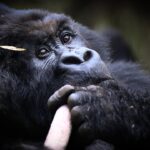
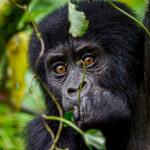
You may see a mother caring for her young, juveniles playing, or a silverback resting while the rest of the family feeds nearby. These are wild animals, so every encounter is different.
The physical effort is part of what makes the experience feel special. You are entering the gorillas’ natural environment rather than watching them in a controlled setting.
Still, the experience should be enjoyable and safe. Prepare honestly, listen to your guide, and do not feel that you need to prove anything by pushing beyond your limits.
Are You Ready for Gorilla Trekking in Uganda?
If you can walk for an extended period, manage moderate hills, and prepare for muddy trails, you may be ready for a gorilla trekking adventure.
Start preparing several weeks ahead, choose suitable footwear, and discuss any fitness concerns with your safari operator. Most importantly, remember that every trek is different, so flexibility is essential.
At Go To Africa Safari, we can help you plan a gorilla trekking trip to Bwindi Impenetrable National Park or Mgahinga Gorilla National Park, including permits, accommodation, transport, and advice on preparing for the hike.
Whether you are an experienced hiker or someone preparing for their first forest adventure, the right planning can help you approach your gorilla trekking experience with greater confidence.