Is Uganda Safe for Tourists?
Is Uganda safe for tourists? For many visitors, a Uganda safari is a well-organised and memorable experience, especially when the trip is planned with a reputable safari operator and experienced local guides. However, like any destination, Uganda has safety considerations that travelers should understand before arriving.
Most safari days take place away from busy cities, in national parks and protected areas where visitors travel with trained guides and follow established wildlife rules. The bigger concerns for tourists are often road safety, personal belongings, health precautions and staying informed about local security conditions.
Knowing what to expect can make your trip much more comfortable.
Is Uganda Safe for a Safari?
A safari in Uganda is generally structured around professional guides, registered accommodation and protected national parks. Visitors should not enter wildlife areas alone or approach wild animals without a guide.
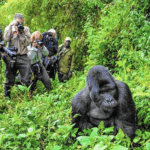
During game drives, your driver-guide knows how close the vehicle can safely get to animals and how to behave around wildlife. On activities such as gorilla and chimpanzee trekking, trained guides and trackers lead visitors through the forest.
This is one of the main advantages of booking through a professional safari company. Instead of having to figure out every part of the journey yourself, you have someone who understands the routes, parks, accommodation and local conditions.
Travelers should still follow the instructions of their guides at all times. Wildlife is unpredictable, even when animals appear calm.
Wildlife Safety in Uganda
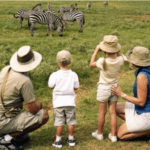
Seeing elephants, lions, hippos, buffaloes, gorillas and chimpanzees in their natural environment is one of the highlights of visiting Uganda. But these are wild animals, not pets, and keeping a safe distance is essential.
Do not leave a safari vehicle unless your guide says it is safe to do so. Avoid shouting at animals, feeding wildlife or trying to get unusually close for a photograph.
At lodges and camps, follow the property’s instructions about walking around after dark. Some safari accommodation is located directly inside or near wildlife areas, so staff may recommend an escort when moving between rooms and common areas at night.
During gorilla or chimpanzee trekking, visitors are expected to follow the instructions of the trackers and guides throughout the experience.
The rules may sometimes feel strict, but they protect both visitors and animals.
Is Transportation Safe in Uganda?
Road travel is one area where tourists should take safety seriously. Official travel advice warns that road accidents are common in Uganda, particularly outside major towns, and recommends caution with nighttime travel.
This is another reason to choose a reliable safari operator.
A professional safari company should use a well-maintained vehicle and an experienced driver who understands Uganda’s roads and the long distances between national parks.
Safari routes can involve several hours on the road, particularly when traveling between Kampala, Murchison Falls, Kibale, Queen Elizabeth and Bwindi. Your driver should avoid unnecessary speeding and plan journeys around road and weather conditions.
Travelers should also be cautious when using public transport or motorcycle taxis. Official travel advice highlights safety concerns with some public and motorcycle transport.
For a safari, having an arranged vehicle and driver is usually much more convenient than trying to organise transport between parks yourself.
Staying Safe in Hotels and Lodges
Accommodation is generally an important part of a well-organised safari, but travelers should still take normal precautions.
Keep passports, money, phones and other valuables secure. Avoid leaving expensive items unattended in vehicles or visible in your room.
When staying at a safari lodge or tented camp, listen to the staff’s safety briefing. If the accommodation is in a wildlife area, there may be specific rules about walking around the property, especially at night.
It is also sensible to choose established accommodation with good reviews and to let your safari operator know if you have any special requirements.
Safety in Kampala and Other Towns
A safari in Uganda often begins or ends in Kampala or Entebbe, which is a different environment from the national parks.
As in many large cities, visitors should be careful with their belongings in busy places. Avoid displaying large amounts of cash or expensive jewellery, keep your phone secure and be cautious when walking alone after dark. Official travel advice also recommends taking care with valuables and using reputable transport.
Tourists should also avoid political demonstrations and large gatherings that may become unpredictable. Keeping up with local news during your trip is a sensible precaution.
What About the National Parks Near the Borders?
Some of Uganda’s most famous tourism destinations are in western and southwestern Uganda, relatively close to the borders with the Democratic Republic of Congo and Rwanda.
Current official advice recommends particular caution in areas near the DRC border and advises travelers visiting Bwindi or Mgahinga to use reputable, registered tour operators and check current advice with the Uganda Wildlife Authority. It also notes that security personnel routinely accompany gorilla-tracking visits in this area.
This does not mean that travelers should automatically avoid Uganda’s famous gorilla destinations. It does mean that itineraries should be planned responsibly and checked against current local conditions before departure.
A reputable safari operator should also be able to advise you if there are changes affecting your planned route.
How Can You Make Your Uganda Safari Safer?
A few simple habits can make a big difference.
Book your safari with a reputable company rather than accepting unusually cheap offers from unknown operators. Keep copies of important travel documents and have emergency contact information available.
Use your safari driver’s advice when travelling between destinations, especially during long road journeys. Avoid unnecessary nighttime travel outside towns, and do not wander into wildlife areas without a guide.
Travel insurance is also worth having. It should cover the activities on your itinerary and provide appropriate emergency assistance. Official travel guidance recommends getting suitable insurance before travelling.
Most importantly, stay informed. Safety conditions can change, so travelers should check current government and local authority advice shortly before and during their trip.
Uganda has incredible wildlife, welcoming communities and some unforgettable safari experiences. A little preparation goes a long way toward enjoying the country responsibly and confidently.