Uganda Wildlife Safari: Complete Travel Guide
Uganda is one of those safari destinations that can surprise you. It may not be the first country people think of when they hear the word “safari,” but once you start looking at what is packed into its national parks and forests, the appeal becomes obvious.
A Uganda wildlife safari can take you from open savannahs filled with elephants and lions to misty forests where chimpanzees call from the trees. You can watch hippos along the Nile, search for tree-climbing lions, track endangered mountain gorillas and spend quiet evenings around a safari lodge listening to the sounds of the African bush.
What makes Uganda particularly interesting is the variety. You can combine traditional game drives with boat safaris, chimpanzee trekking, bird watching, nature walks and gorilla trekking in one trip.
Why Choose Uganda for a Wildlife Safari?
Uganda offers a different kind of safari experience from destinations that focus almost entirely on the Big Five.
Of course, you can see lions, elephants, leopards and buffalo here. But Uganda’s real strength is the combination of wildlife and primates.
The country is home to several remarkable national parks and protected areas, including Murchison Falls, Queen Elizabeth, Kidepo Valley, Lake Mburo, Kibale and Bwindi Impenetrable National Park.
Each destination has its own character.
You can spend one morning watching elephants on the savannah and another day walking through rainforest looking for chimpanzees. With a well-planned itinerary, you can even combine a traditional wildlife safari with gorilla trekking.
Uganda’s Best Wildlife Safari Destinations
Murchison Falls National Park
Murchison Falls is Uganda’s largest national park and one of the country’s most rewarding destinations for a classic wildlife safari.
The park is known for its savannah landscapes, elephants, giraffes, buffaloes, lions and other wildlife. The Victoria Nile passes through the park before being forced through a narrow gorge at the famous Murchison Falls.
One of the best ways to experience the park is to combine a game drive with a boat trip along the Nile.
The boat safari provides a completely different perspective. Hippos gather in the water, crocodiles lie along the banks and elephants often come down to drink.
Queen Elizabeth National Park
Queen Elizabeth National Park is another excellent choice for a Uganda wildlife safari.
The park contains a mixture of savannah, woodland, wetlands and crater lakes, creating habitats for a wide range of wildlife.
Visitors may encounter elephants, buffaloes, lions, leopards, Uganda kob and many other species during game drives.
The Kazinga Channel is one of the park’s highlights. A boat cruise here can bring you remarkably close to hippos, crocodiles and large numbers of water birds.
Queen Elizabeth is also known for its tree-climbing lions in the Ishasha sector.
If lions are high on your list, our guide to [Where to See Lions in Uganda] provides more information about Uganda’s best lion-viewing locations.
Kidepo Valley National Park
Kidepo Valley is one of Uganda’s most remote safari destinations.
Located in the northeastern part of the country, the park is known for dramatic landscapes, broad valleys and a feeling of genuine wilderness.
The long journey to Kidepo is part of what makes the destination special. Once there, you can explore large areas of relatively uncrowded wilderness and look for lions, elephants, buffaloes, leopards, giraffes and other wildlife.
Kidepo is particularly appealing to travellers who want a quieter safari away from the busier routes.
Lake Mburo National Park
Lake Mburo is smaller than Uganda’s major savannah parks, but its location makes it a useful addition to a safari itinerary.
It is relatively close to Kampala and Entebbe, making it suitable for shorter trips.
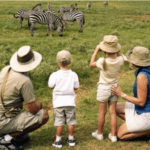
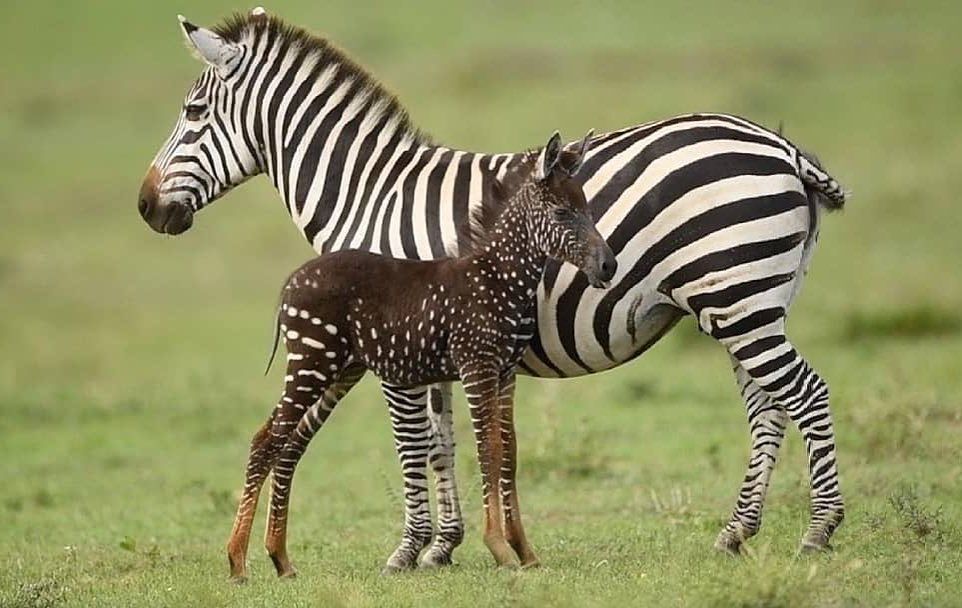
The park is known for zebras, impalas, buffaloes, elands and other wildlife. It also offers activities that are less common in some other Ugandan parks, including guided walking and cycling experiences in designated areas.
Kibale National Park
Kibale is best known for primates rather than traditional big-game safari.
The forest is home to one of Africa’s most important populations of chimpanzees, making it a major destination for chimpanzee trekking.
You can also encounter several species of monkeys and other forest wildlife.
For travelers who want to combine wildlife with primates, Kibale is an excellent addition to a Uganda itinerary.
Bwindi Impenetrable National Park
Bwindi is famous around the world for its mountain gorillas.
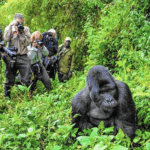
Gorilla trekking here is very different from a conventional game drive. Instead of sitting in a safari vehicle, you walk through dense rainforest with experienced trackers and guides searching for a habituated gorilla family.
The encounter can be one of the most memorable wildlife experiences in Africa.
Bwindi also offers opportunities to see other forest species and birds, making it more than simply a gorilla destination.
For travelers interested specifically in gorillas, our [Gorilla Trekking in Uganda] guide provides more information.
Can You See the Big Five in Uganda?
Yes, Uganda offers opportunities to see the Big Five: lion, leopard, elephant, buffalo and rhinoceros.
However, sightings are never guaranteed. These are wild animals, and their movements depend on season, habitat, weather and many other factors.
Rhino tracking is particularly associated with Ziwa Rhino Sanctuary, where visitors can take part in guided encounters with southern white rhinos.
Lions and elephants can be encountered in several savannah parks, while leopards are generally more elusive.
Our dedicated [Big Five Safari in Uganda] guide goes into more detail about where to look for each species and how to plan a Big Five-focused trip.
Uganda’s Primate Experiences
One of Uganda’s biggest advantages is its variety of primates.
Chimpanzee trekking in Kibale is one of the country’s best-known experiences, while other forests and protected areas provide opportunities to encounter different monkey species.
Then there are the mountain gorillas of Bwindi and Mgahinga.
For travellers interested in primates, Uganda can therefore offer much more than a traditional game-drive safari.
A trip combining chimpanzee trekking and gorilla trekking can be particularly rewarding.
Safari Activities in Uganda
A wildlife safari does not have to mean spending every day inside a vehicle.
Depending on the park, you can enjoy:
- Game drives
- Boat safaris
- Chimpanzee trekking
- Gorilla trekking
- Nature walks
- Bird watching
- Rhino tracking
- Cultural experiences
- Fishing in selected areas
- Cycling and walking activities in designated locations
Boat safaris are especially enjoyable in Murchison Falls and Queen Elizabeth National Park.
They allow you to slow down and observe wildlife from the water instead of following the usual game-drive routine.
When Is the Best Time for a Uganda Wildlife Safari?
Uganda can be visited throughout the year, but different seasons offer different advantages.
The drier months are generally popular for wildlife viewing because vegetation can be less dense and animals may gather around available water sources.
The wetter periods bring greener landscapes and can be rewarding for photography and bird watching. However, some roads and tracks can become muddy, particularly after heavy rain.
The best time ultimately depends on what you want to see and the parks you plan to visit.
If your main goal is gorilla or chimpanzee trekking, seasonal considerations can also be different from those for a traditional savannah safari.
How Long Do You Need for a Uganda Wildlife Safari?
There is no single ideal length.
A short three- or four-day trip can focus on one or two destinations, while a week or longer allows you to combine several parks.
For example, a longer itinerary could combine:
Kibale National Park → Queen Elizabeth National Park → Bwindi Impenetrable National Park
This gives you the opportunity to experience chimpanzees, savannah wildlife and mountain gorillas in one journey.
Another itinerary could focus on Murchison Falls and Ziwa Rhino Sanctuary for travellers particularly interested in traditional wildlife.
Those with more time can head north to Kidepo Valley for a completely different safari experience.
What Should You Expect on a Uganda Safari?
A safari is not a zoo visit, so wildlife sightings are never guaranteed.
You might spend twenty minutes watching elephants one day and several hours searching for a leopard without seeing one.
That unpredictability is part of the experience.
Early morning game drives are often rewarding because animals can be active before the heat of the day. Evening drives can also produce interesting sightings as temperatures cool and nocturnal animals begin becoming active.
Your guide plays an important role. Experienced guides know the parks, understand animal behaviour and communicate with other guides to improve the chances of finding wildlife.
Combining Wildlife and Gorilla Trekking
One of Uganda’s biggest advantages is that you do not have to choose between a traditional wildlife safari and a primate adventure.
A well-designed itinerary can combine game drives in Queen Elizabeth National Park with chimpanzee trekking in Kibale and gorilla trekking in Bwindi.
This gives you three very different experiences within one country.
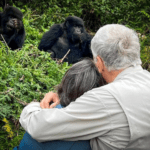
You can spend one day searching for lions on the savannah, another tracking chimpanzees through the forest and another standing quietly near a mountain gorilla family.
That variety is what makes Uganda such an interesting safari destination.
Is Uganda Good for a First Safari?
Absolutely.
Uganda works particularly well for travellers who want a safari that goes beyond the traditional Big Five checklist.
You can experience large mammals, primates, birds, forests, rivers, lakes and mountains within one trip.
It is also possible to create an itinerary around your budget and available time, whether you want a short wildlife escape or a two-week adventure covering several regions.
The key is choosing destinations that work well together rather than trying to see everything in one trip.