Chimpanzee Trekking in Uganda: Complete Guide
Chimpanzee trekking in Uganda is one of the best ways to experience the country’s forests and get close to one of our closest living relatives. Instead of watching chimpanzees from a vehicle, you walk through the forest with trained guides, following signs of where the chimpanzee communities have moved.
Uganda has several places where visitors can see chimpanzees, but Kibale Forest National Park is the most famous. The experience can also be combined with gorilla trekking, wildlife safaris and other primate activities.
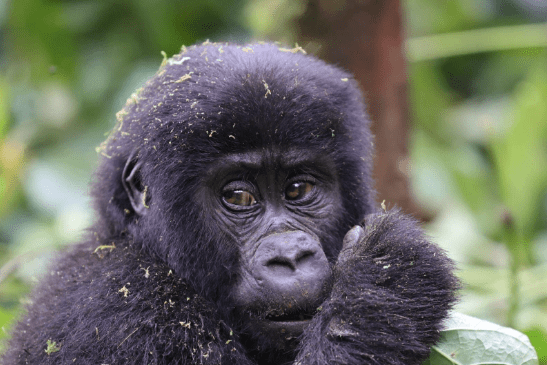
Where Can You Go Chimpanzee Trekking in Uganda?
There are several destinations where chimpanzee trekking is possible.
Kibale Forest National Park
Kibale is the best-known destination for chimpanzee trekking in Uganda. The forest is home to a large population of chimpanzees and several other primate species.
The experience begins at the park headquarters, where visitors receive a briefing before heading into the forest with their guides.
Kyambura Gorge
Kyambura Gorge is part of Queen Elizabeth National Park and offers another opportunity to track chimpanzees.
The experience is different from Kibale because you walk through a gorge surrounded by forest and savannah landscapes.
Chimpanzees are free to move through the forest, so sightings cannot be guaranteed, but the walk itself can be very rewarding.
Budongo Forest
Budongo Forest, near Murchison Falls National Park, is another important chimpanzee destination.
The forest offers visitors a chance to explore a different ecosystem while searching for chimpanzees and other forest species.
It can work particularly well for travelers who are already planning a Murchison Falls safari.
What Happens During Chimpanzee Trekking?
A typical trek starts with a briefing from the park guides.
You are then divided into small groups and begin walking through the forest. Your guides look for signs such as footprints, nests, sounds and fresh feeding activity to determine where the chimpanzees have moved.
Once the group finds the chimpanzees, you normally spend a limited amount of time observing them before returning through the forest.
The experience can be quite different from one trek to another. Sometimes the chimpanzees are relatively close to the starting point. On other days, you may need to walk considerably farther.
That unpredictability is part of what makes trekking exciting.
How Much Does Chimpanzee Trekking Cost in Uganda?
The cost depends on where you trek and the type of experience you choose.
Kibale chimpanzee trekking permits are generally around US$250 per person, while other destinations can have different fees. Special chimpanzee habituation experiences in Kibale are more expensive because visitors spend considerably longer with a chimpanzee community.
Permit prices and park fees can change, so it is important to confirm the current rate when booking.
The permit is only one part of your total safari cost. You should also budget for accommodation, transport, meals, guide services and any additional activities included in your itinerary.
Do You Need a Chimpanzee Trekking Permit?
Yes. Visitors participating in official chimpanzee trekking activities need the appropriate permit or activity booking for the destination they are visiting.
The permit helps regulate the number of visitors and supports the management and conservation of the protected areas.
It is best to arrange your permit before travelling, particularly if your dates are fixed.
A safari operator can help organise the permit together with your accommodation and transport so that everything matches your trekking date.
How Difficult Is Chimpanzee Trekking?
Chimpanzee trekking is generally considered a moderate forest activity, but the difficulty can vary.
You may walk on uneven ground, climb or descend slopes and move through muddy sections, particularly during rainy weather.
The chimpanzees also do not stay in one place. Your group may need to walk for some time before finding them.
You do not need to be an experienced hiker, but a reasonable level of fitness will make the experience more comfortable.
What Should You Wear?
Wear lightweight, comfortable clothing that you can move easily in.
Long trousers and a long-sleeved shirt are useful because they protect you from vegetation and insects. Sturdy hiking shoes with good grip are also important, especially when the forest floor is wet.
Other useful items include:
- A waterproof jacket
- Insect repellent
- Hat and sunglasses
- Reusable water bottle
- Small backpack
- Camera or phone
- Binoculars
- Snacks
- Sunscreen
Avoid carrying a large, heavy bag. You will appreciate travelling light once you are walking through the forest.
When Is the Best Time for Chimpanzee Trekking?
Chimpanzee trekking can be done throughout the year.
The drier periods are often preferred because forest trails are generally easier to navigate. However, rainforests remain wet even during the drier months, and rain can occur at any time.
The wetter seasons bring lush vegetation and can be rewarding for photography, but muddy trails may make the walk more challenging.
Instead of choosing your dates based only on weather, consider your overall Uganda itinerary and the other activities you want to include.
Chimpanzee Trekking or Chimpanzee Habituation?
These are not exactly the same experience.
Standard chimpanzee trekking involves finding a habituated chimpanzee community and spending a limited period observing the animals.
Chimpanzee habituation is a longer experience where visitors can spend considerably more time following and observing chimpanzees as they become accustomed to human presence.
Habituation is therefore more suitable for travelers who have a strong interest in chimpanzee behaviour and want a more extended forest experience.
Can Children Go Chimpanzee Trekking?
Age requirements can vary depending on the destination and activity.
Before booking, check the current age restrictions for your chosen chimpanzee trekking experience. Families should also consider the length and physical demands of the walk.
For younger travelers, a shorter or less demanding wildlife experience may sometimes be more suitable.
Combining Chimpanzee Trekking With Other Safaris
Chimpanzee trekking is easy to include in a wider Uganda itinerary.
A popular combination is Kibale, Queen Elizabeth and Bwindi. You can begin with chimpanzee trekking in Kibale, continue to Queen Elizabeth for wildlife viewing and the Kazinga Channel, and then finish with gorilla trekking in Bwindi.
Another option is to combine Kibale with Murchison Falls, particularly if you want to experience both primates and savannah wildlife.
Why Choose Uganda for Chimpanzee Trekking?
Uganda offers more than one place to see chimpanzees, which makes it easier to include the activity in different safari routes.
Kibale is the standout destination, but Kyambura Gorge and Budongo Forest provide alternatives depending on where else you are travelling.
The experience also gives you something different from a traditional game drive. Instead of sitting in a safari vehicle and scanning the plains, you are walking beneath the forest canopy, listening for calls and following the movement of chimpanzees.
For many travellers, that change of pace becomes one of the most memorable parts of their Uganda trip.
Planning Your Chimpanzee Trek
Good planning makes the experience much easier.
Choose your trekking location first, confirm the permit requirements and then organise accommodation and transport around the activity.
Arriving the day before your trek is recommended, especially if you are travelling from Kampala or another distant destination. This gives you time to rest and be ready for an early start.
If you are ready to plan your trip, Go To Africa Safaris can help arrange chimpanzee trekking, accommodation, transport and other safari activities across Uganda.