Gorilla Trekking Itinerary: 3-Day Uganda Safari Plan
A gorilla trekking itinerary: 3-day Uganda safari plan is perfect for travelers who want to experience one of Africa’s most remarkable wildlife encounters but have limited time. Uganda is home to nearly half of the world’s remaining mountain gorillas, and Bwindi Impenetrable National Park offers one of the best opportunities to see these endangered primates in their natural habitat.
Three days might not sound like much for a journey into a remote rainforest, but with the right planning, it is enough to travel to Bwindi, spend an unforgettable morning searching for a gorilla family, and return to Kampala or Entebbe. The journey involves long drives, but for many visitors, the chance to stand just a few metres from a wild mountain gorilla makes every kilometre worthwhile.
Here is how to make the most of three days in Uganda.
Day 1: Kampala or Entebbe to Bwindi Impenetrable National Park
Your adventure begins early in the morning with a drive from Kampala or Entebbe toward southwestern Uganda. As the city disappears behind you, the landscape gradually changes to open countryside, green hills, small roadside markets, and villages where daily life unfolds along the highway.
The journey to Bwindi usually takes around eight to ten hours, depending on your starting point, road conditions, and the trekking sector you will visit. A stop at the Equator crossing in Kayabwe offers a chance to stretch your legs, take photographs, and enjoy a short break before continuing south.
You can also stop for lunch along the way before heading toward the forested highlands of southwestern Uganda.
Bwindi has several gorilla trekking sectors, including Buhoma, Ruhija, Rushaga, and Nkuringo. Your accommodation should be booked near the sector where your trekking permit is valid, as travelling between sectors can take considerable time.
Arrive at your lodge in the late afternoon or evening, settle in, and enjoy dinner surrounded by the peaceful atmosphere of the forest. If the weather is clear, you may catch beautiful views of the surrounding hills before nightfall.
Get some rest because tomorrow is the day you came for.
Overnight: A lodge near your assigned Bwindi trekking sector.
Meals: Lunch and dinner, depending on your package.
Day 2: The Highlight of Your Safari — Gorilla Trekking in Bwindi
Wake up early, have breakfast, and head to the park headquarters for your gorilla trekking briefing. This is where you meet your ranger guides and learn the rules that protect both visitors and the gorillas.
After the briefing, you will be assigned to a habituated gorilla family and begin the walk into the forest.
There is no fixed timetable for finding the gorillas. Some groups are located after a relatively short walk, while others require several hours of hiking through thick vegetation, steep slopes, and muddy trails. The experience depends partly on where the gorillas have moved overnight.
Bwindi is a dense, ancient rainforest, and the trek can be physically demanding. Good hiking boots, long trousers, a rain jacket, and drinking water will make the experience more comfortable. Hiring a local porter is also a good idea, particularly if you are carrying a backpack or would appreciate extra support on steep sections.
Then comes the moment everyone has been waiting for.
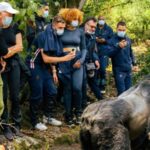
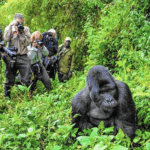
You may first hear branches moving or catch sight of a dark shape between the trees. Suddenly, a silverback appears, resting quietly while other members of the family feed, groom one another, or play nearby. Young gorillas can be especially entertaining, tumbling through the vegetation while their mothers keep a watchful eye on them.
Visitors are allowed one hour with the gorillas once they have been located, subject to the applicable park rules. It may seem brief after all the anticipation, but that hour often becomes the memory people talk about long after returning home.
Your ranger will guide you on maintaining the required distance, keeping your voice low, and behaving appropriately around the animals. Following these instructions is essential for a safe and responsible encounter.
After the trek, return to the park headquarters and head back to your lodge for lunch or a late afternoon rest.
If you still have energy, you could arrange a community visit or simply enjoy the surroundings from your lodge. After a demanding trek, however, doing absolutely nothing for a few hours can feel just as rewarding.
Overnight: Your lodge near Bwindi.
Meals: Breakfast, lunch, and dinner, depending on your package.
Day 3: Return to Kampala or Entebbe
After breakfast, check out and begin the journey back to Kampala or Entebbe.
The return drive takes most of the day, so an early departure is advisable. You will pass through familiar countryside, small towns, and the rolling landscapes of southwestern Uganda. Depending on your schedule, you may stop for lunch or take another short break at the Equator crossing.
Expect to arrive in the late afternoon or evening, depending on traffic and road conditions.
If you are catching an international flight, think carefully about your departure time. The journey from Bwindi is long, and delays are possible. An extra night in Entebbe or Kampala is often the more comfortable option if your flight leaves shortly after the expected arrival time.
By the end of the trip, you will have travelled through some of Uganda’s most beautiful landscapes and experienced one of the most extraordinary wildlife encounters Africa has to offer.
Meals: Breakfast and lunch, depending on your package.
End of safari: Drop-off at your hotel in Kampala or Entebbe.
How Much Does a 3-Day Gorilla Trekking Safari Cost?
The cost of a three-day gorilla trekking safari varies according to the season, number of travelers, accommodation standard, transport, and services included.
The gorilla trekking permit is usually one of the biggest expenses. You will also need to budget for transport to and from Bwindi, two nights of accommodation, meals, and the services of a driver-guide if you are booking a private safari.
Budget travelers may choose simple guesthouses, while those seeking more comfort can stay at lodges overlooking the forest or surrounding hills. Private safaris offer greater flexibility, whereas shared trips may help reduce transport costs.
Before booking, ask for a clear breakdown of what is included. Check whether the quoted price covers the gorilla permit, accommodation, meals, park fees, and transport. Permit prices and availability should be confirmed with the Uganda Wildlife Authority or a reputable safari operator.
What Is the Best Time to Go Gorilla Trekking in Uganda?
Gorilla trekking takes place throughout the year, but many travelers prefer the relatively drier months of June to August and December to February. Trails can be easier to navigate during these periods, although the forest can still be wet.
The rainy seasons generally make the terrain muddier and sometimes more challenging. On the other hand, the rainforest is lush, and there may be fewer visitors at some lodges.
There is no guarantee of dry weather or an easier trek in any particular month. Mountain gorillas live in a tropical rainforest, so rain is always possible.
Whichever season you choose, book your gorilla permit well in advance, especially if your dates are fixed.
What Should You Pack for Gorilla Trekking?
Packing properly can make a real difference when walking through Bwindi’s forest.
Bring sturdy hiking boots with good grip, long trousers, long-sleeved clothing, and a waterproof jacket. Gardening gloves can help protect your hands when holding vegetation, while a small backpack is useful for carrying water, snacks, and personal items.
A walking stick can provide extra stability on steep or slippery trails, and a porter can help carry your bag. Do not forget insect repellent, sunscreen, and a camera with the flash switched off.
It is also worth carrying a little cash for tips or optional services. Keep your luggage light, and follow your ranger’s advice throughout the trek.
Is a Three-Day Gorilla Trekking Safari Worth It?
Absolutely, particularly if seeing mountain gorillas is at the top of your Uganda wish list.
The main drawback is the amount of driving involved. You spend the first day reaching Bwindi, the second experiencing the trek, and the third travelling back. It is a compact itinerary rather than a leisurely holiday.
If you have more time, adding another night allows you to slow down and explore the surrounding area. You could also consider combining gorilla trekking with chimpanzee tracking in Kibale Forest or a wildlife safari in Queen Elizabeth National Park, although these additions require more time.
For travelers with limited schedules, however, three days can be enough to experience something truly special.
Plan Your Uganda Gorilla Trekking Safari with Go To Africa Safari
Meeting mountain gorillas in the wild is not an ordinary wildlife sighting. It is an opportunity to observe a remarkable species in its natural home and gain a deeper appreciation of why protecting these forests matters.
With the right permit, accommodation near your trekking sector, and reliable transport, a three-day safari can be both rewarding and practical.