Rwanda Gorilla Trekking: Complete Travel Guide
Rwanda gorilla trekking is one of the most remarkable wildlife experiences in East Africa. The adventure takes you into the misty forests of Volcanoes National Park, where you can spend an unforgettable hour observing endangered mountain gorillas in their natural habitat.
Rwanda is particularly attractive for travellers who want a relatively straightforward gorilla safari. From Kigali, the journey to the Volcanoes region is manageable, and there are plenty of accommodation options around Musanze and Kinigi. With the right planning, a Rwanda gorilla trekking trip can fit comfortably into a short East African holiday.

Where Is Gorilla Trekking Done in Rwanda?
Gorilla trekking in Rwanda takes place in Volcanoes National Park, in the country’s northwestern region. The park forms part of the larger Virunga Massif, a volcanic mountain range shared by Rwanda, Uganda and the Democratic Republic of Congo.
The landscape is spectacular. Thick bamboo and rainforest cover the lower slopes while the dramatic volcanoes rise above the surrounding countryside. The area is also home to golden monkeys and offers several hiking opportunities.
Rwanda Gorilla Permit Cost
A gorilla permit is required before you can take part in gorilla trekking. For international visitors, the current standard permit price is US$1,500 per person for a day’s gorilla tracking experience. Rwanda also has different rates for Rwandan citizens, East African citizens and certain residents.
Because permits are limited, it is sensible to arrange yours well before travelling, especially if you have fixed dates.
The permit covers the gorilla tracking experience itself, but it does not normally cover your accommodation, meals, transport, flights or other activities. These are usually arranged as part of a complete safari package.
What Happens on a Rwanda Gorilla Trek?
Your trekking day begins early. Visitors report to the park’s registration and briefing point, where they receive information about the trek before heading into the forest. The official reporting time listed by Rwanda’s tourism authorities is 7:00 am.
You will be allocated to a gorilla family and then begin walking with trained guides and trackers. The amount of time spent searching can vary considerably because gorillas move through the forest. Some groups may be reached relatively quickly, while others can require a longer hike.
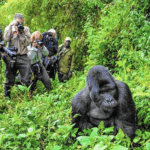
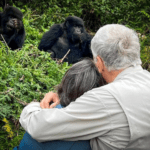
Once you find the gorillas, you are allowed one hour with the family. The experience is usually quiet and surprisingly intimate. You may see adults feeding, youngsters playing, or members of the group resting in the vegetation.
The current Rwanda guidelines state that gorilla groups are limited to a maximum of eight visitors. Visitors should also avoid trekking when suffering from contagious illnesses because of the risk of transmitting human diseases to the gorillas.
How Difficult Is Rwanda Gorilla Trekking?
The difficulty depends largely on where the gorilla family is located that day. Volcanoes National Park is mountainous, and trails can involve steep sections, muddy ground and uneven terrain.
You do not need to be an elite hiker, but reasonable fitness will make the experience much more enjoyable. Regular walking or hiking before your trip is useful, particularly if you are not accustomed to walking uphill.
A walking stick can also be helpful, and hiring a local porter is worth considering. Porters can carry your daypack and provide assistance on difficult sections of the trail while also giving you an opportunity to directly support people living around the park.
Wear sturdy walking shoes and carry waterproof clothing. Rwanda’s mountain weather can change quickly, so being prepared for rain is important. Visit Rwanda also recommends solid walking shoes, sturdy clothing and a lightweight waterproof or gaiters when conditions require them.
Where Should You Stay?
One of the advantages of a Rwanda gorilla safari is the choice of accommodation around Volcanoes National Park.
Musanze is a convenient base and sits at about 1,850 metres above sea level, with the Kinigi park headquarters around 13 kilometres away.
Travellers can choose from comfortable guesthouses and classic hotels to high-end safari lodges. Options listed by Visit Rwanda include Five Volcanoes Boutique Hotel, Virunga Lodge, Sabyinyo Silverback Lodge, Bisate Lodge, Singita Kwitonda and Amakoro Songa Lodge.
Your choice will depend on your budget and how much time you want to spend at the lodge. Staying close to the park is especially convenient because trekking starts early in the morning.
How to Get to Volcanoes National Park
Most visitors arrive in Rwanda through Kigali International Airport before travelling north towards Musanze and Volcanoes National Park.
The drive from Kigali to the Volcanoes region takes roughly three hours, depending on traffic and your exact accommodation. Rwanda’s well-maintained roads make the journey relatively comfortable, and the countryside along the way is part of the experience.
For a gorilla safari, private road transfers are usually the easiest option. A driver-guide can collect you from Kigali, handle the journey to Musanze and take care of transfers during your stay.
How Many Days Do You Need?
You can technically experience Rwanda gorilla trekking during a short trip, but three days is a comfortable starting point.
A simple itinerary could look like this:
Day 1: Arrive in Kigali and drive to Volcanoes National Park.
Day 2: Gorilla trekking in the morning, followed by a relaxed afternoon at your lodge.
Day 3: Golden monkey trekking, cultural activities or a return journey to Kigali.
You can also extend your holiday by combining gorilla trekking with Kigali, Akagera National Park, Nyungwe National Park or Lake Kivu.
Visit Rwanda itself features three-day itineraries combining gorilla trekking with golden monkey tracking, which shows how easily the experience can be combined with another activity.
What Should You Pack?
Keep your packing practical rather than excessive. The forest can be wet and muddy, and you should expect to spend several hours outdoors.
Useful items include:
- Sturdy hiking shoes
- Long trousers and a long-sleeved shirt
- Lightweight waterproof jacket
- Gardening or trekking gloves
- Hat and sunscreen
- Insect repellent
- Small backpack
- Reusable water bottle
- Snacks
- Camera and spare batteries
- Walking stick
- Waterproof protection for electronics
A porter can carry heavier items during the trek, allowing you to concentrate on the forest and the gorillas.
Rwanda vs Uganda Gorilla Trekking
Rwanda and Uganda both offer exceptional mountain gorilla encounters, but the two destinations suit different types of travellers.
Rwanda is often chosen for its easy connection from Kigali and the convenience of having Volcanoes National Park relatively close to the capital. Uganda offers gorilla trekking in Bwindi Impenetrable National Park and Mgahinga Gorilla National Park, with a wider range of trekking sectors and generally lower standard permit costs for international visitors.
Is Rwanda Gorilla Trekking Worth It?
For many travellers, absolutely. The experience combines wildlife, mountain scenery and a genuine connection with one of Africa’s most fascinating species.
It is also worth remembering that gorilla trekking contributes to conservation and communities around the park. Rwanda’s tourism authorities state that revenue from gorilla permits supports conservation and community projects, including efforts to protect and expand gorilla habitat.
The best approach is to travel with realistic expectations. You are entering a wild forest, not visiting a zoo, so sightings cannot be completely predicted. But that uncertainty is part of what makes the experience special.
Ready to experience the mountain gorillas of Rwanda? Plan your Rwanda gorilla safari with Go To Africa Safaris and let us help you arrange the permits, accommodation, transport and trekking experience.