Where to See Leopards in Uganda
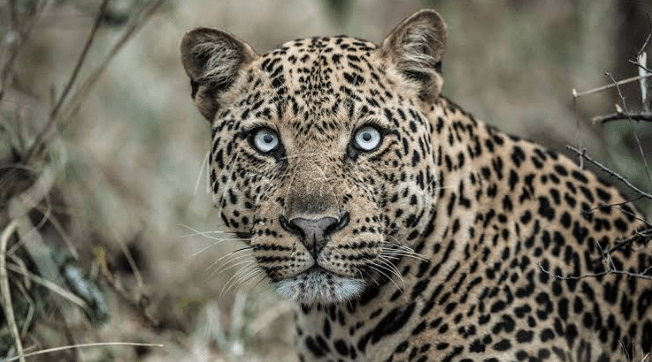
Leopards are among the most fascinating animals you can encounter on a Uganda safari, but they are also some of the hardest to find. Unlike lions, which often rest in open areas or move in prides, leopards are solitary, secretive and exceptionally good at disappearing into their surroundings. Their spotted coats provide excellent camouflage, and they are often most active when the light is low.
If seeing a leopard is high on your safari wish list, choosing the right national park can make a big difference. Uganda has leopard populations in several protected areas, with Queen Elizabeth National Park, Murchison Falls National Park and Kidepo Valley National Park offering some of the most interesting opportunities. UWA’s 2026 State of Wildlife Resources report identifies leopards in seven national parks, including Queen Elizabeth, Murchison Falls, Kidepo Valley, Lake Mburo, Kibale, Semuliki and Mount Elgon.
Queen Elizabeth National Park
Queen Elizabeth National Park is one of the best places to look for leopards in Uganda. The park has a mixture of open savannah, woodland, wetlands and forest habitats, supporting a wide range of prey species as well as several large predators.
Leopards are recorded in Queen Elizabeth alongside lions and spotted hyenas. The park’s varied landscapes provide plenty of places for these cats to hide during the day before becoming more active around dawn, dusk and at night.
The Ishasha sector is particularly famous for wildlife, although visitors usually associate it with the area’s unusual tree-climbing lions. A safari through Queen Elizabeth can offer much more than lions, however, and patient game drives may reveal a leopard moving through the grass, crossing a track or resting in vegetation.
For travelers combining several wildlife experiences, Queen Elizabeth is an excellent choice because leopard viewing can be part of a wider safari that includes elephants, buffaloes, Uganda kobs, hippos and other wildlife.
Murchison Falls National Park
Murchison Falls National Park is another important leopard habitat and Uganda’s largest national park. Its extensive savannah, woodland and riverine environments support a substantial variety of wildlife.
Leopards have historically been recorded in several areas of Murchison Falls, with sightings particularly associated with the Buligi area. UWA’s large carnivore conservation research also recorded leopard sightings in the Buligi circuit, although patrol effort can influence where sightings are recorded.
The park’s abundance of antelopes and other prey creates suitable conditions for predators. During game drives, guides carefully watch areas around tracks, woodland edges and likely resting places because a leopard can be remarkably difficult to notice even when it is nearby.
Murchison Falls is also a good option for travelers who want a broader safari experience. A visit can combine game drives with a boat trip on the Nile and a visit to the spectacular Murchison Falls.
Kidepo Valley National Park
For travelers willing to venture farther from Uganda’s main tourist routes, Kidepo Valley National Park offers a completely different safari experience.
Kidepo is known for its remote wilderness, wide open landscapes and diverse wildlife. UWA’s conservation research has recorded leopards across much of the park, with sightings historically more common around the Narus Valley.
The Narus Valley is particularly important for wildlife because water availability attracts animals, especially during the dry season. This concentration of prey can also create opportunities for spotting predators.
Kidepo is a good choice for experienced safari travellers who want a quieter and more remote experience. It is much farther from Kampala than Queen Elizabeth or Murchison Falls, but that remoteness is part of its appeal.
Lake Mburo and Other Leopard Habitats
Leopards are not limited to Uganda’s three most famous savannah parks. UWA’s latest wildlife assessment identifies Lake Mburo, Kibale, Semuliki and Mount Elgon among the national parks with suitable leopard populations.
Lake Mburo National Park is especially interesting for travelers taking a shorter safari from Kampala. Its savannah and woodland habitat supports a variety of wildlife, although leopard sightings should still be considered a bonus rather than an expectation.
The presence of leopards in these different ecosystems shows just how adaptable the species is. Leopards can live in a range of habitats, provided there is sufficient cover, water and prey.
What Is the Best Park for Seeing Leopards in Uganda?
There is no single park where a leopard sighting is guaranteed. These cats are naturally elusive, and even experienced guides can drive past one without seeing it.
For a first Uganda safari, Queen Elizabeth and Murchison Falls are excellent choices because they combine leopard habitat with large populations of other safari animals. Kidepo is particularly attractive if you want a remote wilderness experience and have more time for your safari.
The best choice also depends on the rest of your itinerary. If you are already planning chimpanzee trekking or gorilla trekking, Queen Elizabeth can fit naturally into a western Uganda safari. If you are heading north, Murchison Falls makes an excellent wildlife stop, while Kidepo is best treated as a destination in its own right.
When Is the Best Time to See Leopards?
Leopards can be seen throughout the year, but game viewing can become easier during dry periods when vegetation is less dense and animals tend to concentrate around available water.
Early morning and late afternoon game drives are particularly worthwhile because leopards are generally more active during cooler periods. UWA describes them as largely nocturnal, which helps explain why daytime sightings can be challenging.
Still, there is no guaranteed time or location. A leopard may be resting beneath bushes, hidden in tall grass or high in a tree while a vehicle passes nearby.
How to Improve Your Chances of Seeing a Leopard
A good guide can make a significant difference. Experienced guides know the park, understand animal behavior and communicate with other guides when interesting sightings are reported.
When looking for leopards, pay attention to more than just the open road. Guides may check trees, rocky areas, thickets and shady spots where a leopard could be resting.
It is also worth allowing enough time for game drives. A short drive may produce elephants and antelopes but miss the leopard that appears twenty minutes later. Patience is one of the most important parts of predator watching.
For visitors interested in seeing several large predators, leopard viewing can also be incorporated into a [Big Five Safari in Uganda] alongside lions, elephants, buffaloes and rhinos.
Leopards and Uganda’s Wildlife Conservation
Leopard sightings are exciting, but they also highlight the importance of protecting Uganda’s remaining wildlife habitats. UWA’s 2026 State of Wildlife Resources report estimates Uganda’s leopard population at around 328 individuals and notes a long-term decline linked to factors including habitat fragmentation, loss of prey and retaliatory killings following livestock losses.
Responsible tourism can contribute to conservation by creating income for protected areas and surrounding communities. During a safari, visitors should follow their guide’s instructions, avoid disturbing animals and never pressure a vehicle to move too close to a leopard.
Plan a Uganda Leopard Safari
If you want to include leopard viewing in your trip, it is worth planning your route around the parks that offer the strongest combination of habitat, wildlife and safari activities. Queen Elizabeth, Murchison Falls and Kidepo Valley are excellent starting points, while Lake Mburo and other protected areas provide additional opportunities.
You can also combine leopard viewing with the wider experiences covered in our [Uganda Wildlife Safari], or add Queen Elizabeth and Murchison Falls to a longer Uganda itinerary. If seeing the country’s major predators is your priority, consider combining leopard viewing with a [Big Five Safari in Uganda].