Where to See Rhinos in Uganda
Rhinos are one of the most exciting animals to look for on an African safari, and Uganda has an important conservation story behind its returning rhino population. For decades, rhinos disappeared from the country’s wild landscapes because of poaching, conflict and habitat loss. Today, careful conservation work is bringing them back.
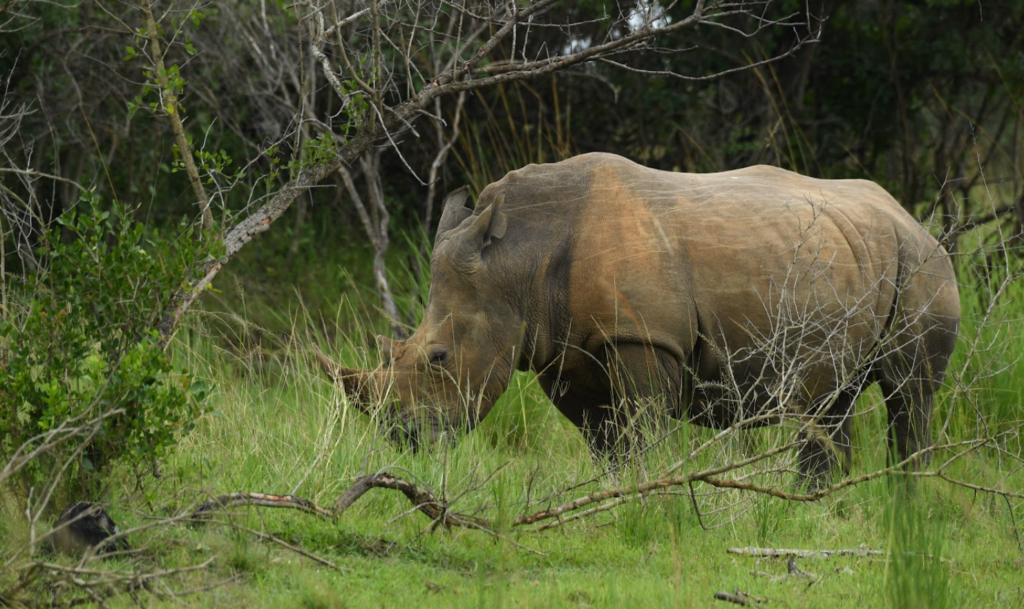
For travellers, the most established place to see rhinos is Ziwa Rhino Sanctuary in Nakasongola. The sanctuary offers guided rhino tracking, allowing visitors to leave the vehicle and follow these impressive animals on foot with trained guides and rangers.
Uganda’s rhino story is also entering a new chapter. In 2026, Uganda Wildlife Authority began moving Southern White Rhinos from Ziwa to protected areas including Ajai Wildlife Reserve and Kidepo Valley National Park, as part of a wider program to restore rhinos to parts of their former range.
Ziwa Rhino Sanctuary
For most visitors planning a rhino experience in Uganda, Ziwa Rhino Sanctuary is the place to start.
Located in Nakasongola District, north of Kampala, Ziwa was established in 2005 as part of Uganda’s effort to reintroduce rhinos after they had disappeared from the country. The sanctuary became the country’s main breeding and conservation centre for Southern White Rhinos.
UWA’s 2026 State of Wildlife Resources report recorded 61 Southern White Rhinos in Uganda as of February 15, 2026, with 55 at Ziwa Rhino Sanctuary. This makes Ziwa the country’s main established rhino population and an important source for Uganda’s wider reintroduction program.
The sanctuary is not simply a place to drive around hoping to spot a rhino. Visitors can take part in rhino tracking on foot, which makes the experience very different from a conventional game drive.
What Is Rhino Tracking Like?
Rhino tracking at Ziwa gives visitors the opportunity to get closer to the experience of wildlife watching on foot.
A trained guide and ranger lead visitors through the sanctuary while looking for signs of rhino activity. Depending on where the animals have moved, you may walk through grassland, woodland or other areas of the sanctuary before finding them.
Once rhinos are located, visitors can observe them from a safe distance while the guide explains their behavior, feeding patterns and role in conservation.
Seeing a rhino from a safari vehicle is impressive, but following tracks and eventually coming across one on foot creates a completely different sense of anticipation.
It is important to follow the ranger’s instructions throughout the experience. Rhinos are extremely powerful wild animals, and maintaining a safe distance is essential.
Why Ziwa Is Important to Uganda’s Rhino Conservation
Ziwa has played a central role in Uganda’s rhino recovery.
The country’s native rhino populations were wiped out by the early 1980s. UWA states that both the Black Rhinoceros and Northern White Rhinoceros had disappeared from Uganda by 1982 as a result of factors including armed conflict, poaching and habitat mismanagement.
The breeding program at Ziwa changed that trajectory. Rhinos were brought into the sanctuary, where they could be protected and allowed to reproduce under controlled conservation conditions.
The success of the program has now created an opportunity to take the next step: returning rhinos to suitable protected landscapes.
Rhinos Return to Ajai Wildlife Reserve
In January 2026, Uganda made history when four Southern White Rhinos were moved from Ziwa Rhino Sanctuary to Ajai Wildlife Reserve in northern Uganda.
This was the first translocation of rhinos between protected areas within Uganda. The first phase is part of a larger program intended to establish an initial population of 20 rhinos at Ajai.
The move is significant because Ajai was historically part of Uganda’s rhino range. The reintroduction is intended not only to increase the number of rhinos in the country but also to restore the species to suitable habitats.
For tourists, however, Ziwa remains the more established and practical destination for a dedicated rhino-tracking experience while the reintroduced populations are carefully monitored.
Rhinos Return to Kidepo Valley
Uganda’s rhino restoration program expanded further in March 2026 when UWA began reintroducing Southern White Rhinos to Kidepo Valley National Park.
The move marked the return of rhinos to Kidepo after more than four decades. UWA reports that the last rhino in the area was killed in Narus Valley in 1983. The initial program is planned to bring eight rhinos to the park.
The rhinos were initially placed in a secure sanctuary within the park while rangers and veterinary teams monitor their adaptation.
This is an important conservation development, but visitors should not yet approach Kidepo expecting the same kind of established rhino-tracking experience available at Ziwa. The animals are part of a carefully managed reintroduction program.
Can Rhinos Be Seen on a Uganda Safari?
Yes, but the experience depends on your itinerary.
If rhinos are one of your main priorities, Ziwa Rhino Sanctuary should be included specifically for rhino tracking.
The sanctuary also fits conveniently into a northern Uganda itinerary. Travelers heading towards Murchison Falls can arrange a stop at Ziwa before continuing towards the national park.
This makes it possible to combine rhino tracking with a traditional savannah safari rather than making a separate trip solely to see rhinos.
For example, a safari could include:
- Rhino tracking at Ziwa
- Game drives in Murchison Falls National Park
- A boat safari on the Nile
- Chimpanzee trekking in Kibale
- Gorilla trekking in Bwindi
- Additional wildlife viewing in Queen Elizabeth National Park
Best Time for Rhino Tracking
Rhino tracking can be included throughout the year. Because the sanctuary is a managed conservation area rather than a huge open national park, the experience is different from searching for wildlife during a traditional game drive.
Your guide and ranger will help locate the rhinos and determine the safest way to approach them.
As with any wildlife experience, conditions can affect how easy it is to find and observe animals. It is therefore better to think of rhino tracking as a guided wildlife experience rather than expecting a guaranteed schedule for where the animals will be.
Why Add Rhino Tracking to Your Safari?
Rhino tracking is more than simply ticking another Big Five animal off a list.
It gives travellers a chance to understand Uganda’s conservation journey firsthand. The rhinos at Ziwa represent decades of breeding, protection and management, while the recent translocations to Ajai and Kidepo demonstrate the next stage of the country’s recovery programme.
For visitors, this adds a meaningful conservation element to a Uganda safari.
You are not simply observing an animal that has always been there. You are seeing part of a recovery story that is still unfolding.
Plan a Uganda Rhino Safari
If seeing rhinos is on your Uganda safari wish list, make Ziwa Rhino Sanctuary part of your itinerary. Rhino tracking on foot offers a memorable experience and provides an opportunity to see Southern White Rhinos in a protected natural setting.
The experience can then be combined with the country’s other major wildlife destinations. Add Murchison Falls for savannah game drives and the Nile, Queen Elizabeth for diverse wildlife, or continue to southwestern Uganda for chimpanzee and gorilla trekking.
Uganda’s rhino population is growing, and the return of rhinos to places such as Ajai and Kidepo makes this an especially interesting time for wildlife and conservation tourism in the country.