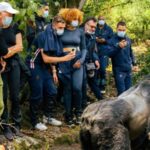
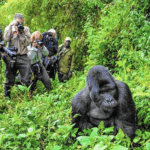
Habinyanja, Rushegura and Nkuringo: Bwindi’s Top Gorilla Sectors
Habinyanja, Rushegura and Nkuringo are three well-known gorilla trekking options in Uganda’s Bwindi Impenetrable National Park. Each offers a different experience, from the forested slopes of Buhoma in the north to the dramatic highlands of Nkuringo in the south. If you are planning a gorilla trekking safari, understanding the differences between these areas can help you choose a sector that suits your fitness, accommodation preferences and travel itinerary.
Bwindi is home to nearly half of the world’s remaining mountain gorillas, and its steep, densely forested landscape provides a natural habitat for several habituated gorilla families. Trekking conditions vary from day to day because gorillas move freely through the forest. You may spend a relatively short time walking before finding a family, or you may need several hours to reach them.
So, should you choose Habinyanja, Rushegura or Nkuringo? Let’s look at what makes each one special.
Understanding Bwindi’s Gorilla Trekking Sectors
Bwindi Impenetrable National Park is divided into four main gorilla trekking sectors: Buhoma, Ruhija, Rushaga and Nkuringo.
Habinyanja and Rushegura are gorilla families associated with the Buhoma sector, while Nkuringo is a southern sector in its own right, as well as the name of a well-known habituated gorilla family.
This distinction matters when booking your safari. Habinyanja and Rushegura are not separate trekking sectors in the same way as Buhoma or Nkuringo. They are gorilla families that may be allocated to visitors trekking from the Buhoma headquarters, depending on the park’s arrangements and permit availability.
Your permit and briefing determine where you report for the trek. It is best to arrange accommodation near your assigned sector because driving between Bwindi’s different trekking areas can take several hours.
1. Habinyanja Gorilla Family: A Classic Buhoma Experience
The Habinyanja gorilla family is one of the historic habituated groups in Bwindi. It is associated with the Buhoma sector, which was the first area of the park opened for mountain gorilla tourism.
The name Habinyanja comes from a local word associated with a body of water, reflecting the wetlands near where the family was first encountered. Like other gorilla families, its composition and leadership can change over time as individuals mature, disperse or form new groups.
What makes Habinyanja special?
Habinyanja offers visitors the chance to observe mountain gorillas in the thick forest of northern Bwindi. The trek can involve steep terrain, tangled vegetation and narrow paths, but the experience is about much more than reaching the gorillas.
Once the family is located, visitors can watch the gorillas feed, groom one another, rest and interact. If you are lucky, you may see younger gorillas playing while adults keep a watchful eye on the group.
The actual trekking time depends on where the family is located that day. Do not assume that Habinyanja is always an easy or difficult trek; forest conditions and gorilla movements are constantly changing.
Who should choose Habinyanja?
Habinyanja is a good option for travellers who want to stay around Buhoma and explore northern Bwindi. The area has a range of accommodation options, from comfortable safari lodges to more affordable guesthouses.
Buhoma also works well for itineraries combining gorilla trekking with community visits, guided forest walks and birdwatching. It can be particularly convenient for travellers approaching from Queen Elizabeth National Park or planning a longer western Uganda safari.
2. Rushegura Gorilla Family: Another Buhoma Favourite
Rushegura is another famous gorilla family in the Buhoma sector. The group formed after members separated from the larger Habinyanja family, and it has become a popular option for visitors trekking in northern Bwindi.
The family’s history reflects the changing social structure of mountain gorillas. Groups may split, merge or change leadership over time, making their stories an interesting part of the conservation experience.
What can you expect when trekking Rushegura?
A Rushegura trek takes you into the lush forest around Buhoma, where your ranger guides you through the terrain in search of the family.
Gorilla encounters can be deeply moving. You might watch a silverback resting nearby, females feeding on leaves or young gorillas climbing and playing. The forest provides a natural setting for observing these animals without disturbing their daily routines.
Some travellers hope to find a family close to the trekking starting point, but there is no guarantee that Rushegura will be nearby on your chosen day. The gorillas range across the forest in search of food, and the distance walked varies accordingly.
Why consider Rushegura?
Rushegura is worth considering if you want to trek from Buhoma and stay in the northern part of Bwindi. The sector’s accommodation and tourism infrastructure make it a practical choice for many visitors.
Buhoma also offers opportunities to learn about the communities living beside the park. Depending on your interests, you can add a guided village walk, a cultural activity or a nature excursion to your gorilla trekking itinerary.
Remember that gorilla family allocation and permit arrangements can change. If you have a particular family in mind, ask your safari operator what can realistically be requested and what is confirmed by the park authorities.
3. Nkuringo Gorilla Family: Trekking in Southern Bwindi
Nkuringo is both a habituated gorilla family and the name of one of Bwindi’s four main trekking sectors. The sector lies in the southern part of the park, in a landscape known for steep hills, deep valleys and sweeping views of the surrounding highlands.
Compared with Buhoma, Nkuringo is often associated with more challenging terrain. However, no sector can guarantee a particular level of difficulty, because the gorillas’ location changes and daily conditions affect the trek.
What makes Nkuringo different?
The southern location gives Nkuringo a distinctive atmosphere. Travellers often appreciate the quieter surroundings, scenic landscapes and feeling of being deep in the highland forest.
The trek can involve climbing and descending steep slopes, so a reasonable level of fitness is helpful. Walking poles, sturdy hiking boots and a porter can make the journey more manageable.
If you choose Nkuringo, allow enough time for the journey to southern Bwindi and avoid planning a long drive immediately after the trek. A flexible itinerary gives you time to rest and enjoy the area.
Who is Nkuringo best for?
Nkuringo is a strong choice for travellers who enjoy active outdoor experiences and want to explore southern Bwindi. It can also suit itineraries that connect with the Rushaga area or continue towards Lake Mutanda and Kisoro, depending on your route.
The sector has accommodation options overlooking the surrounding landscape, making it appealing to visitors who want a scenic place to relax before or after trekking.
If mobility is a concern, discuss it with your tour operator before booking. You can request advice on the likely terrain and available support, although the exact trek cannot be predicted in advance.
Habinyanja vs Rushegura vs Nkuringo: Which Should You Choose?
The main decision is not simply which gorilla family is best. It is also about where you want to stay, how you plan to reach Bwindi and what kind of overall safari you prefer.
Choose Habinyanja if you want a gorilla trek based around Buhoma and are interested in the history of one of Bwindi’s established gorilla families.
Choose Rushegura if you prefer the Buhoma area and want another well-known family associated with northern Bwindi.
Choose Nkuringo if you are drawn to southern Bwindi, enjoy dramatic highland scenery and are comfortable preparing for potentially steep terrain.
No family can guarantee a shorter trek, closer viewing or better photographs. Each encounter is different, and all visitors must follow the park’s rules to protect the gorillas.
When Is the Best Time to Trek These Gorilla Families?
Gorilla trekking takes place throughout the year, but many travellers prefer the relatively drier periods, often around June to August and December to February. Trails may be easier to navigate during these months, although rain can occur at any time in Bwindi’s montane forest.
The wetter periods can bring muddy trails and more demanding walking conditions. On the other hand, the forest can look especially lush, and travellers who pack appropriately can still enjoy a rewarding experience.
Instead of choosing your dates solely around the weather, consider permit availability, accommodation and the rest of your Uganda itinerary. Booking well in advance is sensible, particularly if you have fixed travel dates or want to stay at a particular lodge.
Practical Tips for Gorilla Trekking in Bwindi
Whichever family you hope to visit, a little preparation can make your trek more comfortable.
- Wear proper hiking boots: Trails can be slippery, steep and muddy.
- Carry a rain jacket: Bwindi’s weather can change quickly.
- Hire a porter: A porter can carry your daypack and help you navigate difficult sections of the trail.
- Bring drinking water and snacks: Ask your operator what to pack for the trek.
- Follow your ranger’s instructions: Keep the required distance from gorillas and avoid sudden movements or loud noises.
- Be honest about your fitness and mobility: Discuss any concerns with your safari operator before the trek.
- Allow flexibility: Trekking duration depends on where the gorillas are located and the conditions in the forest.
Gorilla trekking permits are limited, so arrange your booking early. Make sure your permit is for the correct trekking area and confirm where you need to report on the day.
Can You Combine Gorilla Trekking With Other Uganda Experiences?
Yes. Bwindi can be part of a wider Uganda safari that includes wildlife viewing, scenic lakes, cultural experiences and chimpanzee trekking.
Travellers trekking from Buhoma may combine their visit with Queen Elizabeth National Park, depending on their route and available time. Those exploring southern Bwindi may consider Lake Mutanda, Kisoro and other attractions in southwestern Uganda.
A well-planned itinerary should account for the distance between destinations. Bwindi’s mountain roads can be slow to navigate, so avoid trying to fit too many activities into a single day.