Chimpanzee and Nature Walk Combo in Kibale National Park
Chimpanzee and nature walk combo in Kibale National Park is an excellent choice for travellers who want to experience Uganda’s forest wildlife beyond a single primate encounter. Kibale National Park, located in western Uganda near Fort Portal, is famous for its chimpanzees and remarkable diversity of other primates. Combining chimpanzee tracking with a guided nature walk gives you more time to appreciate the forest, its birdlife, vegetation and smaller creatures that are easy to overlook when your main goal is finding chimpanzees.
The beauty of this combination is that each activity offers something different. Chimpanzee tracking focuses on locating a habituated chimpanzee community, while a nature walk encourages you to slow down, observe your surroundings and understand how the forest ecosystem works.
Whether you are visiting Uganda for the first time or returning for another wildlife adventure, this combination can add depth to your Kibale safari.
Why Combine Chimpanzee Tracking With a Nature Walk?
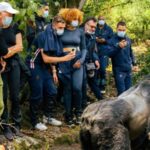
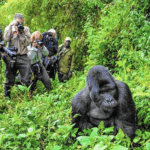
Chimpanzee tracking is one of the main attractions of Kibale National Park. Visitors enter the forest with trained guides and trackers to search for chimpanzees in their natural habitat. When the animals are located, visitors can observe their behaviour for a limited period under park regulations.
However, Kibale is much more than its chimpanzees. The forest supports numerous other primates, birds, butterflies and plant species. A nature walk allows you to appreciate these features without concentrating entirely on finding one particular animal.
During a guided walk, your ranger may explain how different plants grow, identify bird calls, point out animal tracks and describe the relationships between wildlife and the forest. You may also encounter monkeys moving through the canopy or hear chimpanzees calling in the distance.
For travellers who enjoy photography, birdwatching or learning about nature, the combination creates a fuller experience of Kibale.
Chimpanzee Tracking in Kibale National Park
The chimpanzee tracking experience is usually the highlight of the day. Most conventional tourist tracking takes place from the Kanyanchu Visitor Centre, where visitors receive a briefing before entering the forest with their guides.
The guides use their knowledge of chimpanzee movements and information from trackers to help locate the animals. Chimpanzees move freely through the forest, so the time spent searching can vary considerably. Some groups may be found relatively quickly, while others require a longer walk.
Once you find the chimpanzees, you may watch them feeding, grooming, playing, communicating or travelling between trees. Their social behaviour is fascinating, and every encounter is different.
Kibale is also home to other primates, including red-tailed monkeys, black-and-white colobus monkeys, L’Hoest’s monkeys and grey-cheeked mangabeys. Although sightings vary, these species add interest to the trek.
Chimpanzee tracking can involve uneven ground, muddy trails and dense vegetation. Wear suitable hiking shoes, carry water and follow the guide’s instructions throughout the activity.
What to Expect on a Guided Nature Walk
A guided nature walk provides a different perspective on Kibale. Instead of focusing only on the chimpanzees, you explore the forest as a living ecosystem.
The walk may take you along forest trails where your guide explains the different layers of vegetation, points out interesting plants and helps you recognise wildlife signs. You may learn how certain trees provide food for primates, how birds contribute to seed dispersal or how fallen leaves and decaying wood support the forest’s natural cycle.
Birdwatching in the forest
Kibale is an excellent destination for bird lovers, with hundreds of recorded bird species across its forest and surrounding habitats. During your walk, listen for calls from the canopy and watch the forest edges for movement.
Binoculars can help you observe birds without disturbing them. A knowledgeable guide can also help you distinguish species that might otherwise appear similar.
Looking for other primates
Chimpanzees are not the only primates worth watching in Kibale. Keep an eye out for monkeys moving through the branches, feeding in trees or crossing the trail.
Different species occupy different parts of the forest, and observing their behaviour can be just as interesting as identifying them. Your guide may explain how their diets, social groups and movements differ.
Discovering plants and smaller wildlife
Butterflies, insects, fungi and unusual plants contribute to the forest’s diversity. These smaller details are easy to miss when visitors are hurrying to find the chimpanzees.
A nature walk gives you time to notice them. It is particularly rewarding for travellers who enjoy learning about ecosystems rather than simply collecting wildlife photographs.
Can You Do Both Activities in One Day?
Yes, combining chimpanzee tracking with a nature walk in one day may be possible, depending on the timing of the activities and the arrangements available through the park authorities.
Chimpanzee tracking can take several hours, depending on where the chimpanzees are located. A separate guided nature walk also requires time, so it is important not to plan the day too tightly.
A possible itinerary is:
Early morning: Arrival and briefing
Arrive at the designated visitor centre in time for registration and the ranger briefing. Confirm your activity schedule and follow the instructions provided by the park staff.
Morning: Chimpanzee tracking
Enter the forest with your guide and trackers to search for chimpanzees. Allow enough time for the search, the encounter and the return walk.
Midday: Lunch and rest
After tracking, take a break, have lunch and recharge before the next activity. This is particularly helpful if the chimpanzee trek has involved steep or muddy sections.
Afternoon: Guided nature walk
If a separate walk is available and the schedule permits, spend the afternoon exploring the forest’s other wildlife, plants and birdlife with a guide.
This is a suggested outline rather than a guaranteed schedule. Check availability and timings when booking, as not every combination will fit comfortably into one day.
One important detail: Uganda Wildlife Authority’s published tariff information for 2026–2028 states that the chimpanzee tracking fee at Kibale includes a nature walk on the day of tracking. Confirm the exact activities covered by your permit and whether the separate guided nature walk you want is included or requires an additional booking.
Best Time for a Chimpanzee and Nature Walk Safari
Kibale can be visited throughout the year, and both activities are available according to park schedules and permit availability.
The relatively drier periods, often around June to August and December to February, are popular because trails may be easier to navigate. Nevertheless, Kibale is a tropical forest, and rain can occur at any time.
During wetter periods, the vegetation is lush, but trails may be slippery and muddy. Chimpanzees may also move differently as food availability changes, so the length of your trek can vary.
Rather than relying entirely on the season, book your permit in advance and bring clothing and footwear suited to wet forest conditions.
What Should You Pack?
For a comfortable day in Kibale, pack practical items that will help you manage the forest environment.
- Hiking shoes or boots: Choose footwear with good grip for muddy and uneven trails.
- Lightweight rain jacket: Rain can arrive unexpectedly.
- Long trousers and long sleeves: These help protect your skin from vegetation and insects.
- Drinking water: Stay hydrated during the walk.
- Small daypack: Carry your essentials without making the trek unnecessarily difficult.
- Binoculars: Useful for birdwatching and observing wildlife in the canopy.
- Camera: Bring one if you enjoy photography, but follow all wildlife-viewing rules.
You may also consider hiring a porter if you would like assistance carrying your bag. A porter can make the walk more comfortable, particularly on steep or slippery trails.
Responsible Tourism During Your Kibale Visit
Responsible behaviour is essential when visiting wild chimpanzees and other forest animals. Follow your guide’s instructions, keep noise low and never attempt to feed or touch wildlife.
If you are unwell with symptoms that could indicate a contagious infection, inform the park staff before tracking. Chimpanzees are vulnerable to human diseases, and visitors must follow the health precautions provided by the authorities.
Stay on authorised routes, avoid disturbing plants and animals, and respect any restrictions around research activities. Responsible tourism helps protect the forest while supporting the people who work to conserve it.
Combine Kibale With Other Attractions in Western Uganda
If you have extra time, Kibale can form part of a wider western Uganda safari. Fort Portal is known for its crater lakes and green landscapes, making it a pleasant place to relax before or after forest activities.
You can also visit Bigodi Wetland Sanctuary, a community-managed conservation area near Kibale, for guided walks and opportunities to see wetland birds, monkeys and other wildlife. This is a separate experience from a nature walk inside the national park, so arrange it with enough time in your itinerary.
Travellers with more days available may continue to Queen Elizabeth National Park for savannah wildlife viewing or plan a longer route through southwestern Uganda.
Is the Chimpanzee and Nature Walk Combo Worth It?
Absolutely, especially if you want more than a quick encounter with chimpanzees. Tracking brings you close to one of Africa’s most fascinating primates, while a guided nature walk helps you appreciate the forest that sustains them.
The combination is suitable for wildlife enthusiasts, photographers, birdwatchers and travellers who enjoy walking in nature. The key is to arrange the activities realistically, confirm what your chimpanzee permit includes and leave enough time to enjoy each experience without rushing.