Gorilla Trekking With Kids: Is It Allowed?
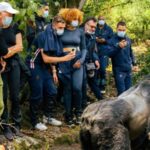
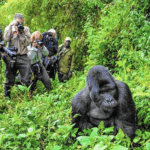
Gorilla trekking with kids is a dream for many families planning an African safari. Seeing mountain gorillas in their natural habitat can be an unforgettable experience, especially for children who love wildlife. However, before booking a family holiday to Uganda or Rwanda, parents need to understand the age restrictions, the physical demands of trekking and the alternatives available for younger children.
The good news is that families can still enjoy an incredible wildlife safari together. Even if some children are too young to join a gorilla trek, there are plenty of other activities to make the trip memorable.
What Is the Minimum Age for Gorilla Trekking?
In Uganda, the minimum age for mountain gorilla trekking is 15 years. The same minimum applies in Rwanda, where the Rwanda Development Board confirms that visitors must be at least 15 to participate in gorilla tracking. The age requirement is intended to protect gorillas and ensure visitors can manage the activity responsibly.
Park authorities check visitors’ documents, so parents should carry valid passports and confirm their children’s ages before making a booking. Do not purchase a permit for a child who does not meet the age requirement on the trekking date without first receiving official confirmation that they are eligible.
Gorilla trekking takes place in natural forest environments, where visitors must follow instructions, remain calm and avoid actions that could disturb the animals. Mountain gorillas are also vulnerable to human respiratory infections, making health precautions especially important.
Why Are Children Under 15 Not Allowed?
The minimum age is not simply about whether a child is strong enough to walk through the forest. There are several important considerations.
Protecting mountain gorillas from disease
Mountain gorillas can catch respiratory illnesses from humans. Even an ordinary cold can pose a risk to these endangered animals.
Young children may be more likely to experience common childhood infections, so limiting participation helps reduce the risk of disease transmission. All visitors, regardless of age, must follow the park’s health rules and should not trek when suffering from a potentially contagious illness.
Managing behaviour around wild animals
Gorillas are powerful wild animals, and their behaviour can be unpredictable. Visitors must listen carefully to their guides, keep their voices low, avoid sudden movements and maintain the required distance.
The age restriction helps ensure participants are prepared to follow these rules throughout the encounter.
Handling the physical demands
Gorilla trekking can involve several hours of walking through steep, muddy and uneven forest terrain. Although some treks are relatively short, others can be physically demanding.
The age rule is not a guarantee that every eligible visitor will find the trek easy. Teenagers should still be prepared for the conditions and discuss any health or mobility concerns with their parents and safari operator.
Can Children Under 15 Trek if They Are Fit?
Being physically fit does not automatically make a child eligible. Uganda and Rwanda have a published minimum age of 15, and parents should not assume that parental consent, a private trek or a child’s hiking ability will override the rules.
If your child is approaching their fifteenth birthday, check their exact age on the planned trekking date before paying for permits. Confirm the requirements directly with the relevant park authority or your tour operator.
It is much better to organise the family itinerary around the rules than to arrive at the park and discover that a child cannot participate.
What Can Younger Children Do While Parents Go Gorilla Trekking?
Having a child under 15 does not mean you must abandon your Uganda or Rwanda safari. You can plan alternative activities for younger family members while eligible adults and teenagers go trekking.
The best arrangements depend on the children’s ages, where you are staying and whether a responsible adult can remain with them.
1. Enjoy a guided nature walk
A suitable nature walk can introduce children to forest plants, birds and smaller wildlife without the main gorilla-tracking activity. Ask the park or your safari operator about age restrictions, trail difficulty and available guided activities.
Choose a walk that matches your children’s ages and abilities rather than assuming every forest trail is suitable for young visitors.
2. Visit a local community
A guided cultural visit can give children an opportunity to learn about local traditions, crafts, music, food and everyday life around the national parks.
These visits can also help families understand how nearby communities relate to wildlife conservation and tourism. Choose a responsible operator that respects local people and ensures community members benefit from visitors.
3. Explore other wildlife destinations
Uganda has many attractions that families can enjoy together. Depending on the itinerary, you could include a game drive in Queen Elizabeth National Park, a boat trip on the Kazinga Channel or a visit to Lake Bunyonyi.
These activities offer opportunities to see different landscapes and wildlife without requiring every family member to participate in gorilla trekking.
4. Consider chimpanzee or other primate experiences carefully
Chimpanzee tracking and other primate activities have their own minimum age requirements, which vary by destination and activity. Do not assume that a child who is too young for gorilla trekking will automatically qualify for chimpanzee tracking.
Confirm the applicable rules before booking. If your child does not meet the minimum age, ask about family-friendly nature activities instead.
How Can Families Organise a Gorilla Safari?
The easiest way to plan a family gorilla safari is to decide who will trek and what the other family members will do on that day.
For example, a family with parents and a 16-year-old teenager could book gorilla trekking for all three, provided they meet the park’s requirements and are comfortable with the physical demands. A younger sibling aged 10 would need a separate activity and appropriate supervision.
If only one parent is travelling with children, careful planning is especially important. You will need to establish who can accompany the eligible trekkers and who will stay with the younger child. Never assume that park staff or lodge employees will automatically provide childcare.
When choosing accommodation, consider how far it is from the trekking briefing point and whether suitable activities are available for children who will not trek.
Tips for Preparing Teenagers for Gorilla Trekking
If your child is 15 or older, preparation can help make the experience more comfortable and enjoyable.
- Build walking stamina: Regular walks and gentle uphill exercise can help prepare them for uneven terrain.
- Choose proper footwear: Comfortable hiking boots or shoes with good grip are important on muddy forest trails.
- Pack suitable clothing: Long trousers, long sleeves and a lightweight rain jacket are practical choices.
- Explain the gorilla rules: Teenagers should understand why they must remain calm, follow the guide’s instructions and respect the required viewing distance.
- Carry water and essential items: Follow the operator’s advice on what to bring for the trek.
- Consider hiring a porter: A porter can carry a daypack and may help visitors negotiate difficult sections of the trail.
Above all, help teenagers understand that gorilla trekking is a wildlife encounter, not a performance. Gorillas may be feeding, resting or moving through the forest, and visitors must observe them respectfully.
Is Gorilla Trekking Safe for Families?
Gorilla trekking is a carefully managed wildlife activity, but it takes place in the natural habitat of powerful wild animals. There are inherent risks, and following park rules is essential.
Visitors trek with trained park personnel, who provide instructions before entering the forest and guide the group during the encounter. Families should listen carefully, maintain the required distance and avoid touching or feeding gorillas.
If anyone in the family feels unwell before the trek, they should inform the safari operator and park staff. The health of both visitors and gorillas matters, and potentially contagious illnesses must be taken seriously.
Parents should also be realistic about the physical demands. Even teenagers who meet the minimum age may find the walk tiring, so allow time to rest before continuing with the rest of the safari.
Final Thoughts: Can You Enjoy Gorilla Trekking as a Family?
Yes, families can enjoy a gorilla trekking safari, provided participants meet the minimum age requirements and are prepared for the activity. In Uganda and Rwanda, the minimum age for mountain gorilla trekking is 15 years.
If your children are younger, you still have many ways to explore East Africa together. Nature walks, cultural visits, boat trips and wildlife viewing can provide memorable experiences while eligible family members take part in gorilla trekking.
The secret is to plan ahead, confirm age requirements before booking and choose activities that suit everyone in the family.