Gorilla Trekking Porters: Why You Should Hire One
If you are planning a gorilla trekking safari in Uganda, you will probably hear people talking about hiring a porter. For first-time visitors, this might raise a simple question: who exactly is a porter, and why would you need one when you already have a guide?
A gorilla trekking porter is a local person who accompanies trekkers on their journey into the forest, helping carry their bags and offering a hand when the trail becomes difficult. Many porters live in communities surrounding Bwindi Impenetrable National Park, where gorilla trekking provides an important source of income.
Hiring one is not compulsory, and you do not need to be unfit or inexperienced to benefit from their help. Sometimes, having someone carry your backpack is all you need to make a challenging hike more enjoyable. It also gives you an opportunity to support the local people who live alongside Uganda’s mountain gorillas.
So, before you head into the forest, here is what you should know about hiring a gorilla trekking porter.
Who Is a Gorilla Trekking Porter?
Imagine arriving at Bwindi Impenetrable National Park early in the morning, ready for your gorilla trek. You have your water, snacks, rain jacket, camera, and a few other essentials packed into your backpack. The ranger explains that the gorillas could be a short walk away or several hours deep in the forest.
This is where a porter comes in.
A porter is someone you hire to help carry your belongings during the trek. Instead of carrying everything yourself, you can hand over your backpack and concentrate on walking through the forest. Depending on the terrain and your needs, the porter may also offer a steadying hand when you encounter a steep or slippery section.
Porters are different from park rangers and safari guides. Your ranger leads the trek, helps locate the gorillas, and explains the rules you must follow around them. Your safari guide usually takes care of the wider trip arrangements, such as transport and accommodation. The porter focuses mainly on helping you during the hike.
Many porters are local residents who have become familiar with the demands of gorilla trekking. By hiring one, you receive practical assistance while providing income to someone from the surrounding community.
Why Should You Hire a Porter for Gorilla Trekking?
1. You Do Not Have to Carry Your Backpack
Gorilla trekking can be physically demanding, even if you exercise regularly. Bwindi’s forest has steep hills, thick vegetation, uneven ground, and trails that can become slippery after rain.
Carrying a backpack for several hours adds to the effort. A porter takes that weight off your shoulders, leaving you free to concentrate on your footing and enjoy the scenery.
This is especially useful if you are carrying a camera, extra clothing, drinking water, or snacks. You will still need to walk and climb, but you may find the journey more comfortable without the additional load.
2. They Can Help You Through Difficult Sections
Not every part of the trek is straightforward. You may need to climb a muddy slope, step over exposed roots, or carefully make your way down a slippery trail.
A porter can offer a hand when you need extra balance or support. Their assistance can be reassuring, particularly if you are unfamiliar with hiking in tropical forests.
However, you should still wear proper hiking boots, take your time, and listen to your ranger. A porter can help you manage the terrain, but they cannot make every trail easy or remove the risk of slipping.
3. You Support Local Families
For many travelers, this is one of the most meaningful reasons to hire a porter.
Communities around Bwindi live close to a protected forest that attracts visitors from all over the world. Tourism creates jobs in lodges, guiding, transport, crafts, and porter services. Hiring a porter helps ensure that some of the money spent on your safari reaches local residents directly.
The income can help a porter pay school fees, buy food, support family members, and meet other household expenses.
When local people have opportunities to benefit from tourism, they also have more ways to earn a living alongside conservation efforts. Your decision to hire a porter may seem small, but it can make a genuine difference to the person helping you.
4. You Can Focus on the Experience
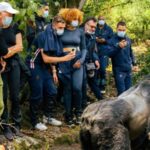
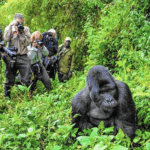
The moment you finally encounter a mountain gorilla family is something many travelers remember for the rest of their lives. You might see a silverback resting among the vegetation, a mother caring for her infant, or young gorillas playing around the adults.
After all the anticipation, the last thing you want is to be distracted by a heavy bag or struggling to retrieve something from your backpack.
With a porter carrying your belongings, you can focus more easily on the trek and the experience itself. Once the gorillas are located, visitors are generally allowed one hour with them, following the park’s rules and the ranger’s instructions.
5. You Do Not Have to Be a Beginner to Hire One
Some travelers assume porters are only for people who are elderly, unfit, or inexperienced. That is not true.
Even experienced hikers may choose to hire one because Bwindi’s terrain can be challenging, and the location of the gorillas is unpredictable. A fit traveler carrying camera equipment may appreciate the help just as much as someone who does not hike regularly.
Think of hiring a porter as a practical decision rather than an admission that you cannot manage the trek alone.
How Much Does a Gorilla Trekking Porter Cost?
Porter fees vary by location and local arrangements. As a rough budgeting estimate, you may encounter prices around US$15–25 per trek, although you should confirm the current rate with your safari operator or at the park before starting.
The porter fee is normally separate from your gorilla trekking permit. If you wish to offer a tip for good service, that is entirely up to you and your budget.
It is also worth asking your tour operator whether porter services are included in your package or need to be paid for separately.
How Do You Hire a Porter in Bwindi?
Hiring a porter is generally straightforward. You can arrange one through your safari operator or lodge, or ask about available porters when you arrive at the park headquarters for your trek.
If possible, use a recommended local porter service and agree on the fee before setting off. Explain what you would like the porter to carry, and keep your valuables and essential personal items secure.
You do not need to bring a porter from home or make complicated arrangements. Local services are available around the main gorilla trekking sectors, although the exact arrangements may vary.
Is Hiring a Porter Worth It?
For many visitors, absolutely. Gorilla trekking is an extraordinary wildlife experience, but it can involve several hours of walking through steep, muddy, and uneven forest terrain.
A porter helps lighten the load, may provide assistance on difficult sections, and allows you to enjoy the journey with fewer distractions. Just as importantly, hiring one supports local livelihoods in the communities surrounding Bwindi.
If your budget allows, consider including a porter in your trekking plans. You may find that the practical help is valuable, and the opportunity to support a local resident makes the decision even more worthwhile.
Plan Your Gorilla Trekking Safari with Go To Africa Safari
Planning a gorilla trekking trip involves more than securing a permit. You also need to choose the right trekking sector, arrange suitable accommodation, organize transport, and prepare for the forest conditions.