Trekking Eastern Lowland Gorillas in Kahuzi-Biega National Park
Trekking eastern lowland gorillas in Kahuzi-Biega National Park is one of the most unusual wildlife experiences in the Democratic Republic of the Congo (DRC). Unlike the mountain gorillas found in Uganda, Rwanda, and the Virunga region, eastern lowland gorillas, also known as Grauer’s gorillas, are native to the forests of eastern DRC. Kahuzi-Biega offers a rare opportunity to learn about these remarkable great apes in their natural habitat.
Located near the city of Bukavu in South Kivu Province, Kahuzi-Biega National Park is a UNESCO World Heritage Site known for its rich biodiversity, tropical forests, and two dormant volcanic mountains, Mount Kahuzi and Mount Biega. For travelers interested in primates, conservation, and less familiar African safari destinations, the park holds a special place.
A visit here is about more than seeing a gorilla. It is an opportunity to discover a different side of Africa’s wildlife and understand the importance of protecting one of the continent’s most threatened primates.
What Are Eastern Lowland Gorillas?
Eastern lowland gorillas, scientifically known as Gorilla beringei graueri, are the largest subspecies of gorilla. They are found naturally in the eastern Democratic Republic of the Congo, where they inhabit tropical lowland forests, mountain forests, and areas of dense vegetation.
Although they belong to the same species as mountain gorillas, eastern lowland gorillas have some noticeable differences. They generally have shorter fur, broader bodies, and larger hands. Adult males can grow considerably larger than mountain gorillas, giving them an impressive appearance when seen in the forest.
Like other gorillas, they live in family groups that are often led by a dominant silverback. A typical group may include adult females, young gorillas, and infants. Much of their day is spent feeding, resting, moving through the forest, and maintaining social relationships.
Their diet consists mainly of leaves, stems, shoots, and fruit when available. Their feeding habits also help shape the forest ecosystem.
Despite their size, gorillas are generally peaceful animals. They usually prefer to avoid confrontation, although visitors must always respect their space and follow the instructions of their guides.
Eastern lowland gorillas are classified as critically endangered, and habitat loss, poaching, mining, and insecurity have contributed to their decline. Protecting their remaining habitat is essential to their long-term survival.
Why Visit Kahuzi-Biega National Park?
Kahuzi-Biega is internationally recognized for its importance to eastern lowland gorilla conservation. The park protects a large area of forest, ranging from lowland tropical habitats to higher-altitude mountain vegetation.
Its landscape is one of the attractions. Dense rainforest covers much of the terrain, while Mount Kahuzi and Mount Biega rise above the surrounding countryside. The forest is home to a wide variety of wildlife, including other primates, forest mammals, and numerous bird species.
For travelers who have already visited Bwindi Impenetrable National Park in Uganda or Volcanoes National Park in Rwanda, Kahuzi-Biega offers a different kind of gorilla experience.
The main distinction is the species itself. Mountain gorilla trekking focuses on mountain gorillas, while Kahuzi-Biega is particularly known for eastern lowland gorillas. Seeing these two subspecies on separate trips offers a fascinating opportunity to appreciate the diversity of Africa’s great apes.
However, Kahuzi-Biega is not simply an alternative destination to choose without preparation. Travel conditions and park access must be checked carefully before making arrangements.
What Is Gorilla Trekking Like in Kahuzi-Biega?
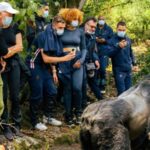
When visitor access is operating, a gorilla trekking excursion begins with a briefing from park staff. Visitors learn about gorilla behaviour, forest safety, and the rules that help protect the animals.
You then enter the forest with experienced trackers and guides who know the terrain and monitor gorilla movements. Their work is essential because gorillas move freely through their habitat and are not kept in a fixed location for tourists.
The trek may involve walking along forest paths, climbing slopes, and passing through thick vegetation. Conditions can be humid and muddy, particularly after rain. The time required to locate a gorilla family varies, so visitors should be prepared for a physically demanding walk.
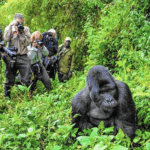
Once the gorillas are located, visitors are generally allowed up to one hour to observe the family, subject to park regulations and the instructions of the guides.
You might see a silverback resting nearby while females feed, or young gorillas playing among the vegetation. Sometimes the animals remain relatively still, making it easier to observe their behaviour. At other times, they move through the forest, requiring visitors to follow their guides carefully.
The experience is not staged, and there is no guarantee that every encounter will provide the same views. That unpredictability is part of observing wild animals in their natural environment.
Best Time to Trek Eastern Lowland Gorillas
Kahuzi-Biega can experience rain throughout the year, but the relatively drier periods are generally considered more comfortable for hiking.
June to September is commonly regarded as a useful period to consider, while January and February can also offer comparatively favourable conditions. These months are not guarantees of dry weather, and local conditions can change.
During wetter periods, forest trails may become slippery, making sturdy footwear and waterproof clothing particularly important. Rain can also affect transport and the time needed to reach the park.
More important than selecting a particular month is confirming that the park is open to visitors and that trekking can take place safely. Conditions in eastern DRC can change, so travel plans should remain flexible.
What Should You Pack for Gorilla Trekking?
If trekking is available during your visit, proper preparation will help make the experience more comfortable.
Bring waterproof hiking boots with good grip, long trousers, a long-sleeved shirt, and a rain jacket. The vegetation can be thick, and your clothing should protect you from scratches, insects, and damp conditions.
A small backpack is useful for carrying drinking water, snacks, and personal items. Insect repellent and a camera are also worth packing. Keep your equipment secure, and do not use flash photography around the gorillas.
Temperatures can be cooler at higher elevations, so a light warm layer is advisable. A pair of gardening gloves can also be helpful when moving through areas with dense vegetation.
Visitors should follow the park’s current health requirements, including any rules about wearing a mask near gorillas. Anyone who is feeling unwell should inform the park staff before the trek.
Gorilla trekking is generally restricted to visitors aged 15 and above at Kahuzi-Biega, but check the current requirements before booking.
Responsible Gorilla Tourism and Conservation
Eastern lowland gorillas face serious threats, and responsible tourism can contribute to the wider effort to protect them.
Park staff and conservation organizations monitor gorilla groups, protect their habitat, and work to reduce threats to wildlife. Local communities also play an important role because their livelihoods are closely connected to the surrounding landscape.
Visitors can support these efforts by following park rules, respecting the required distance from the animals, avoiding littering, and listening to their guides.
It is equally important to understand that conservation tourism depends on safe and responsible park management. Visitors should never attempt to enter restricted areas or arrange unofficial encounters with gorillas.
By choosing legitimate arrangements and respecting local guidance, travelers can help support the conservation work that makes responsible wildlife experiences possible.
How to Plan a Visit to Kahuzi-Biega National Park
Planning a visit requires more than arranging a gorilla permit. Travelers should consider their entry arrangements for the Democratic Republic of the Congo, accommodation, transport to Bukavu and the park headquarters, and the prevailing security situation.
The park’s visitor arrangements and payment procedures may change, so confirm the latest instructions directly with the official park management before making payments.
Allow enough time for travel and avoid building an international flight connection around an uncertain return journey. It is also wise to arrange accommodation and transport with providers who understand local conditions.
If your wider itinerary includes Rwanda, ask an experienced safari operator to explain the border crossing requirements and the arrangements needed for your nationality. A visa or invitation arrangement should never be assumed to guarantee that every border crossing or route will be available.
Above all, make park access and security the first priority when planning your trip.
Plan Your Eastern Lowland Gorilla Safari with Go To Africa Safari
Trekking eastern lowland gorillas in Kahuzi-Biega offers a rare opportunity to learn about one of Africa’s most remarkable and threatened primates. From the forest landscape to the chance to observe a gorilla family in its natural habitat, the experience highlights the extraordinary wildlife of the Democratic Republic of the Congo.