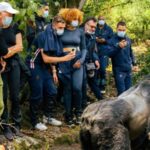
Sebitoli Chimpanzee Trekking: A Quieter Kibale Alternative
Sebitoli chimpanzee trekking is a phrase that attracts travellers looking for a more peaceful way to explore Kibale National Park in western Uganda. While most visitors head to Kanyanchu for the park’s famous chimpanzee tracking experience, Sebitoli offers a quieter introduction to the northern side of Kibale Forest, with guided nature walks, forest birds and opportunities to encounter other primates.
However, there is an important distinction to understand before planning your safari: Sebitoli is known for its chimpanzee research and forest activities, but it is not listed among the standard chimpanzee-tracking entry points in the Uganda Wildlife Authority’s published July 2024 guidelines. Travellers should confirm whether any authorised chimpanzee-tracking experience is available there before booking. For visitors who value nature, fewer crowds and a slower pace, Sebitoli can still be a rewarding alternative to the busier tourism areas of Kibale.
Where Is Sebitoli in Kibale National Park?
Sebitoli lies in the northern part of Kibale National Park, along the main road between Fort Portal and Kampala. Its location makes it convenient for travellers approaching the park from Fort Portal or travelling between western Uganda and the capital.
Unlike Kanyanchu, which serves as the main hub for conventional chimpanzee tracking, Sebitoli is associated with forest research, conservation and guided nature activities. The surrounding landscape includes tropical forest, forest edges and nearby agricultural areas, creating opportunities to learn about how wildlife and local communities share this environment.
Because Sebitoli receives less attention from conventional safari itineraries, it can be an appealing stop for travellers who prefer to explore beyond Uganda’s best-known wildlife attractions.
Can You Track Chimpanzees in Sebitoli?
This is the most important question for anyone considering Sebitoli chimpanzee trekking.
Sebitoli is home to a chimpanzee community monitored by the Sebitoli Chimpanzee Project. Researchers have studied the community for years, learning about its behaviour, movements, social relationships and conservation needs. The presence of these chimpanzees, however, does not automatically mean that visitors can book a standard chimpanzee trek there.
The Uganda Wildlife Authority’s published tracking guidelines identify Kanyanchu and Buraiga in Kibale, along with Kyambura in the Queen Elizabeth Conservation Area, as designated chimpanzee-tracking entry points. Sebitoli is not included in that list.
Before arranging a trip specifically to track chimpanzees in Sebitoli, contact the relevant park authorities or a reputable safari operator to verify current authorisation and availability. Do not assume that a regular Kibale chimpanzee permit allows access to every sector of the forest.
If your main goal is to see habituated chimpanzees in their natural habitat, Kanyanchu remains the established option for a conventional Kibale chimpanzee-tracking experience.
What Can You See and Do in Sebitoli?
Even without a conventional chimpanzee trek, Sebitoli has plenty to interest nature lovers.
Guided forest walks
A guided forest walk allows you to experience Kibale at a more relaxed pace. Rather than concentrating entirely on finding one particular animal, you can learn about the forest ecosystem, identify plants and listen to the calls of wildlife around you.
Your guide may point out feeding signs, animal tracks, nesting areas and the different layers of vegetation that make tropical forests so rich in life. Sightings are never guaranteed, but the experience offers a deeper appreciation of the habitat that supports Kibale’s primates.
Monkey watching
Kibale is famous for its diversity of primates, and the Sebitoli area provides opportunities to look for species such as blue monkeys, red-tailed monkeys and black-and-white colobus monkeys.
Watching monkeys move through the trees can be rewarding, particularly when you take time to observe their behaviour rather than simply trying to photograph them. A guide can help distinguish between species and explain their role in the forest.
Birdwatching
Sebitoli is also worth considering for birdwatchers. The combination of forest vegetation and surrounding habitats supports a variety of birdlife.
Early mornings are often a good time to listen for bird calls and watch activity in the canopy. Bring binoculars if you have them, and consider travelling with a guide who knows the local species. Patient observation can reveal much more than a quick walk through the forest.
Conservation and research awareness
The Sebitoli Chimpanzee Project has monitored the local chimpanzee community since 2009. Its work includes studying chimpanzee behaviour and movements, maintaining research trails and supporting conservation efforts around the northern part of Kibale.
The project also works with local communities on conservation-related activities. This research is important because protecting chimpanzees involves more than safeguarding the forest itself. It also means addressing the relationship between wildlife, farms and people living near the park.
Visitors should remember that research areas are not automatically open to tourists. Any visit involving researchers, project staff or research facilities must be arranged through the appropriate channels.
Sebitoli or Kanyanchu: Which Should You Choose?
The best choice depends on what you want from your safari.
Choose Kanyanchu if chimpanzee tracking is your priority. It is Kibale’s principal tourism centre for conventional chimpanzee tracking, with established procedures for permits, ranger briefings and guided encounters.
Consider Sebitoli if you prefer a quieter forest experience. Its northern location and conservation background make it attractive to travellers interested in nature walks, birds, monkeys and the wider ecology of Kibale.
The two areas should not be treated as interchangeable. If your itinerary promises a chimpanzee encounter, confirm the exact tracking location and permit arrangements before paying. A forest walk in Sebitoli is a different activity from an authorised chimpanzee trek.
Best Time to Visit Sebitoli
Sebitoli can be visited as part of a Kibale Forest safari throughout the year, subject to the availability of the activity you choose and current park arrangements.
During drier periods, forest trails may be easier to navigate, although chimpanzees can move deeper into the forest while searching for food. During wetter months, the forest is lush and vibrant, but muddy paths may make walking more challenging.
Wildlife viewing depends on weather, animal movements and the patience of the visitor. Wear comfortable walking shoes, carry drinking water and bring a lightweight rain jacket. Neutral-coloured clothing is practical for forest walks, while binoculars can improve your chances of spotting birds and monkeys.
How to Include Sebitoli in a Uganda Safari
Sebitoli fits naturally into an itinerary that includes Fort Portal, Kibale National Park and other destinations in western Uganda. Travellers driving between Kampala and Fort Portal may find its northern location convenient for a stop, while those staying nearby can arrange a forest activity without necessarily spending the entire day on a conventional chimpanzee trek.
You can also combine the wider Kibale experience with a visit to the nearby Kihingami Wetlands, where guided walks and birdwatching provide another perspective on the region’s wildlife and landscapes.
For a safari focused on chimpanzees, plan your authorised tracking experience at Kanyanchu and consider adding Sebitoli for a different forest and conservation experience if time permits. This approach allows you to enjoy both the established primate-tracking experience and a quieter side of Kibale.
Responsible Tourism in Sebitoli
Kibale’s chimpanzees face pressures from habitat disturbance and interactions with people living around the forest. Responsible tourism can help support conservation, but visitors must respect the rules governing protected areas and research sites.
Follow your guide’s instructions, avoid feeding or approaching wild animals, keep noise low and never enter restricted research areas without permission. If a chimpanzee activity is offered, check that it is officially authorised and that the required permit arrangements are in place.
Supporting legitimate conservation and community initiatives also helps ensure that local people benefit from protecting the forest.
Is Sebitoli Worth Visiting?
Sebitoli is worth considering if you want to experience a quieter part of Kibale National Park and appreciate the forest beyond its headline attraction. Its wildlife, birdlife and connection to long-running chimpanzee research give it a character of its own.
However, travellers should be clear about the difference between visiting chimpanzee habitat and booking a permitted chimpanzee-tracking experience. If seeing chimpanzees is the main reason for your visit, Kanyanchu is the established choice unless the Uganda Wildlife Authority confirms that tracking is authorised at Sebitoli for your travel dates.